Editorial: India’s labour reforms with caveats
Though the long-awaited labour codes represent genuine reforms, the government must address the concerns of unions fully and fairly



The objective behind the long-awaited labour codes is no doubt laudable, as they promise minimum wages, enhanced social security and safety net for employees and easing regulations and compliance norms for employers, but several areas of concern need to be addressed with fairness and sensitivity. Among the issues flagged by the labour unions is the freedom given to the employers to fire employees at will and convert permanent jobs into fixed-term contract work. The working hours in factories have been increased from 9 to 12 hours, and in shops and establishments from 9 to 10 hours. Trade unions will lose their relevance, as their membership base will be depleted due to workers being employed on contract. There is a strong justification for labour reforms in the country to reflect the new realities of the industry. As India aspires to become a global economic powerhouse, it needs to shed the baggage of archaic laws originally meant to protect the interests of the colonial masters. A new beginning has been made with the replacement of 29 central laws with four labour codes, covering wages, industrial relations, social security and occupational safety and working conditions. The move is being projected by the government as a historic reform that will simplify compliance, extend social security and strengthen worker protections. The rollout promises timely wages, formal appointment letters, minimum-wage guarantees and annual health check-ups for employees. Recognition of gig and platform workers within the social-security architecture is perhaps the single biggest structural change, acknowledging a segment long left outside the statutory net.
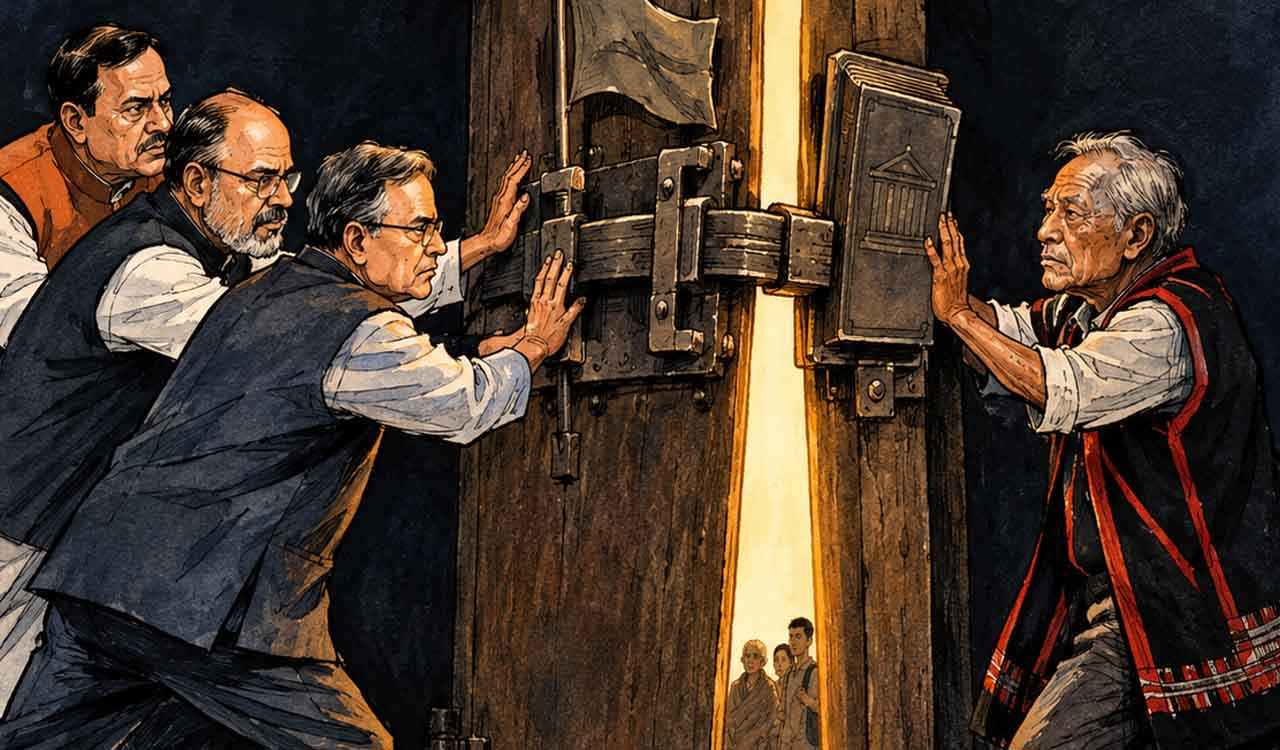
While the reforms would help in improving competitiveness and productivity, the government must make efforts to bring labour unions on board by addressing their concerns in full. Labour representatives have alleged that the government ignored the pro-worker recommendations of the Second National Commission on Labour, submitted in 2002, and instead adopted measures that benefit private managements. The Industrial Relations Code raised the threshold for government approval for layoffs and closures from 100 to 300 workers. This will adversely impact those working in small enterprises. While the industry celebrates the new labour codes for enhancing flexibility, unions fear that they will weaken job security. Several central trade unions have announced protests, arguing that the new regime dilutes collective bargaining space and tilts power towards employers. There is, however, no denying that many provisions mark a long-overdue progress in the labour rulebook. The universal statutory right to minimum wages across sectors, mandatory written job contracts, improved gratuity access for fixed-term workers and clear norms on health and safety reflect a shift towards formalisation and transparency. The codes also mandate equality of employment conditions for women, expanding the scope of their participation in the workforce. The labour reforms must be accompanied by adequate investments in education, skilling, infrastructure, and enterprise support to unlock the country’s full potential.
Also Read

Related News