Editorial: Justice Varma case—time for judicial reckoning
The Justice Varma case is a reminder that judicial independence and accountability must not contradict but complement each other
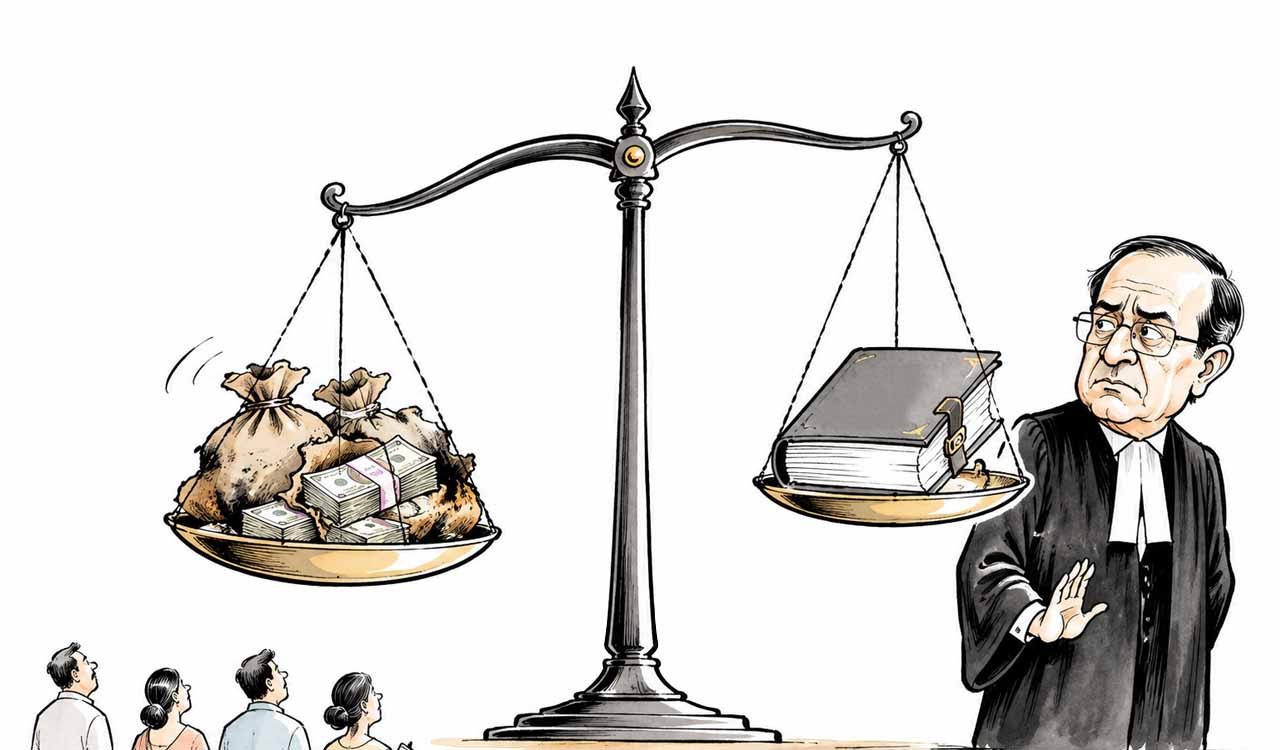


The judiciary in India enjoys an overwhelming public perception that it is impartial, incorruptible, and insulated from the transactional politics that shape other wings of the state. That perception is precisely what’s at stake when corruption allegations surface. The controversy surrounding Justice Yashwant Varma, at whose residence in Delhi huge unaccounted cash was recovered last year, was a blot on the image of the judiciary. Such instances can result in the erosion of public trust in the justice delivery system. A sense of closure has come in this case with the Lok Sabha inquiry committee concluding that all three charges against the former Allahabad High Court judge — unexplained possession of cash, failure to account for it and interference with evidence — stand proved. The three-member panel held that the judge, who has since resigned, had failed to furnish a satisfactory explanation for the presence and ownership of cash found in the storeroom of his residence. The committee has rightly concluded that his resignation cannot terminate a statutory inquiry once Parliament has set the process in motion. While the findings of the inquiry are a welcome development, the case raises larger questions about judicial corruption. Earlier, an in-house panel appointed by then Chief Justice of India Sanjiv Khanna found that the judge exercised “active or tacit control” over the storeroom in which the money was kept. More than 200 MPs endorsed a removal motion against him in July 2025, and Lok Sabha Speaker Om Birla constituted the statutory inquiry committee the following month.
Justice Varma was serving in the Delhi High Court when a fire broke out at his official residence. The firefighters and police who arrived at the scene found jute sacks full of cash, some half-burnt, stashed in a corner of the outhouse. The shocking revelations that followed cast a dark shadow on the image of the judiciary, which is supposed to be the ultimate check on executive and legislative excesses. If its own integrity is questioned, its ability to perform that constitutional role is weakened. The misconduct of a few judges casts suspicion on thousands of honest ones. If litigants begin to believe that money, influence, personal connections or political proximity can affect judicial outcomes, the fundamental principle of equality before the law is undermined. The parliamentary committee’s insistence that the inquiry continue even after a judge’s resignation restores the purpose of the Judges (Inquiry) Act. It ensures that proceedings are not merely about removing an incumbent judge but also about arriving at an authoritative institutional conclusion. That distinction matters for public confidence in the justice system. The case led to broader reforms — mandatory asset disclosures and greater transparency in judicial inquiries. The government must take the opposition parties on board and build a consensus before initiating impeachment proceedings. The Varma case is a reminder that judicial independence and accountability must not contradict but complement each other.

Related News