Editorial: UCC deadline — Amit Shah’s short-sighted idea
Attempts to impose uniformity in the name of unity go against the spirit of India’s democratic diversity
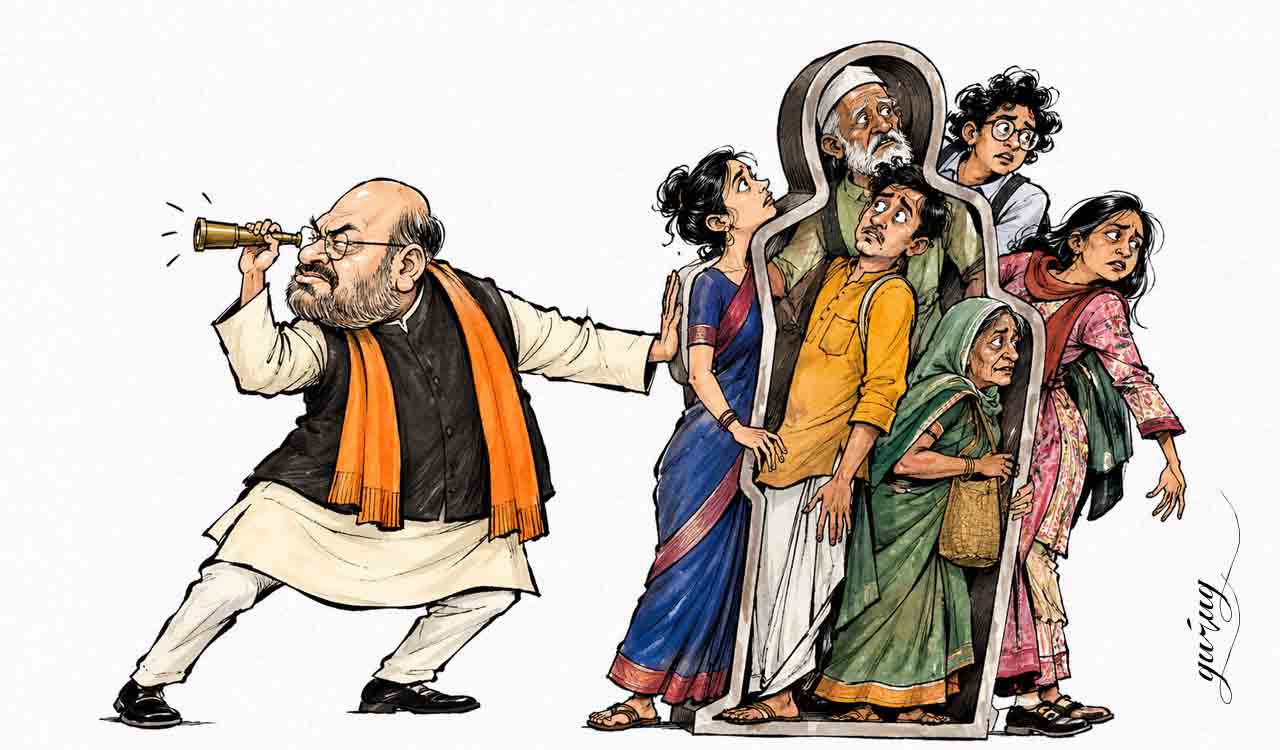


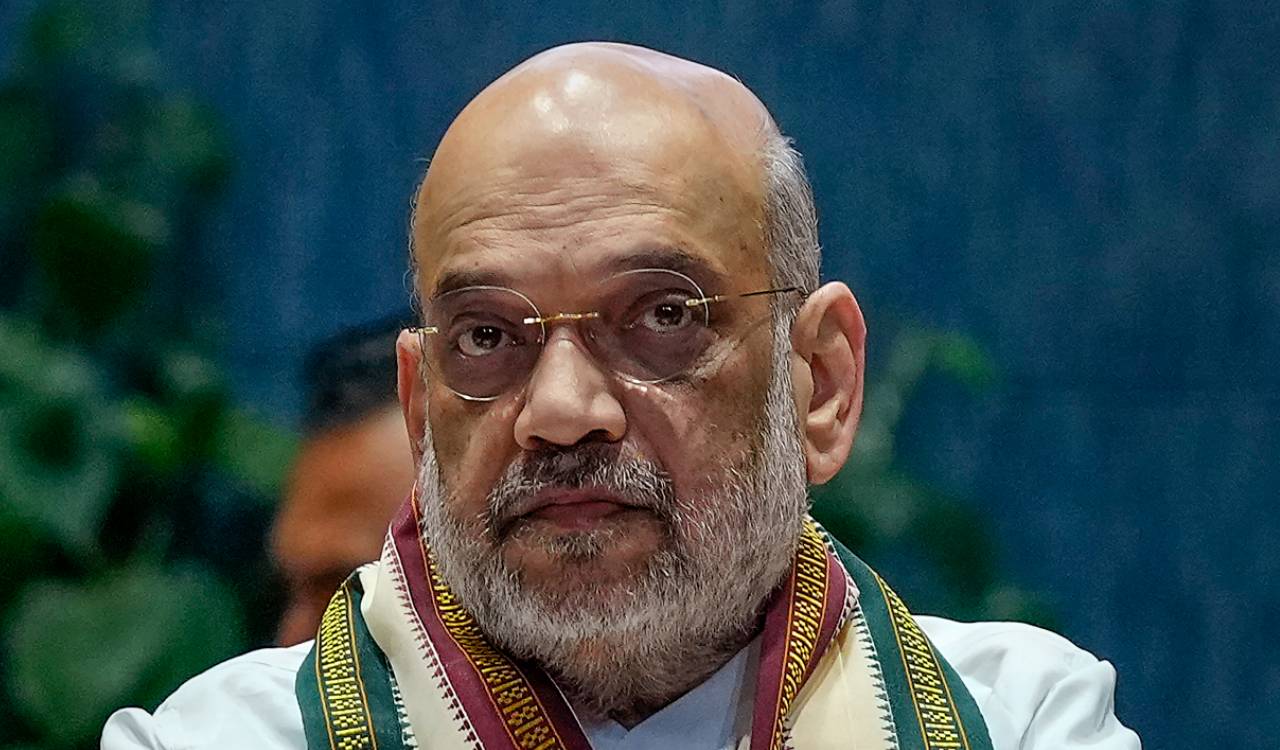
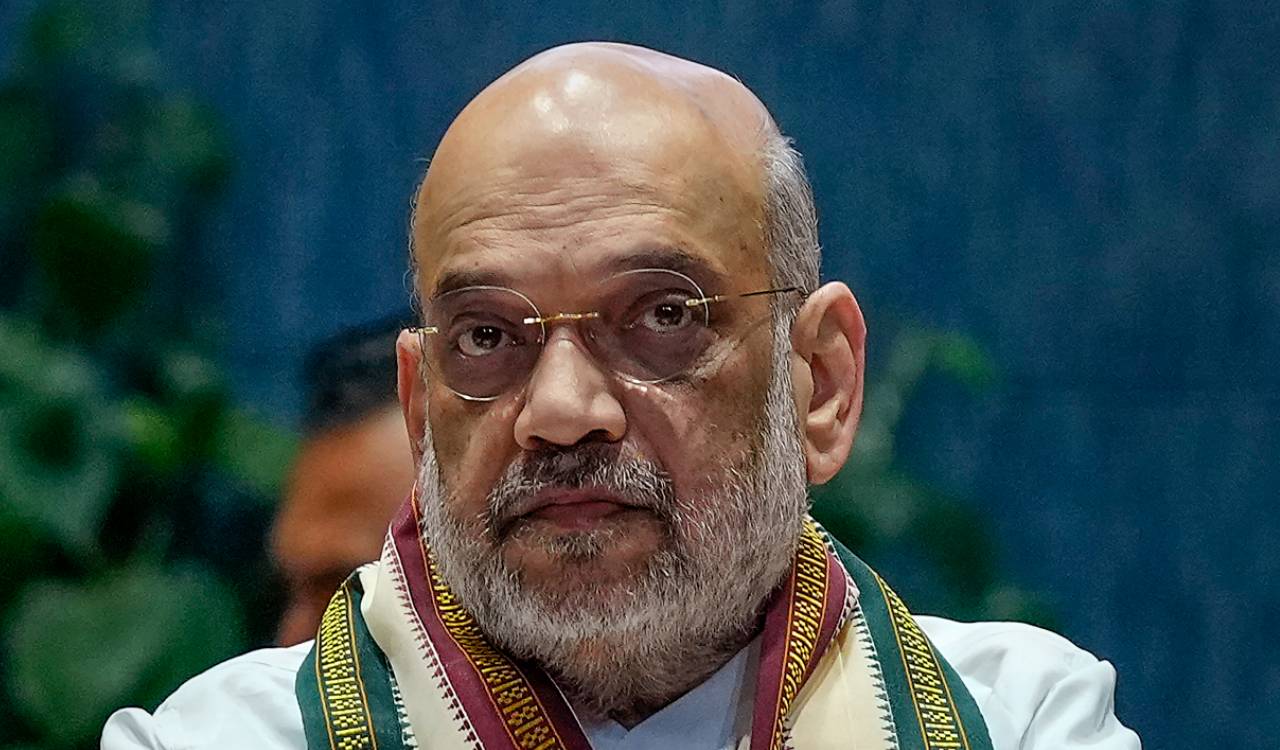
Social diversity is the bedrock of a robust democracy. Home to different religions, customs, and cultures, India has been a role model for the world for its unity in diversity. Any attempt to impose uniformity in the name of unifying communities would go against the spirit of democratic diversity. Union Home Minister Amit Shah’s call for NDA-ruled States to implement the Uniform Civil Code (UCC) before the 2029 Lok Sabha elections is naive and immature, and reflects a lack of understanding of the country’s core ethos. At a time when NDA 3.0 is dependent on the support of allies such as the Janata Dal (United) and the Telugu Desam Party to provide a stable government, it is intriguing that Shah is setting such deadlines for introducing a controversial policy that lacks a national consensus. The Time is not ripe for India to experiment with a common code, as it might lead to social friction and an erosion of faith in the constitutional guarantee of freedom of religion. Opposition parties have raised objections to the proposed law, dubbing it an anti-minorities move. NDA allies—JD (U) and TDP—also have reservations about the UCC, fearing a backlash from the Muslim community. For the BJP, however, the Uniform Civil Code has been one of the three core ideological agendas, along with the Ram temple at Ayodhya and the abrogation of Article 370. Four BJP-ruled States—Uttarakhand, Gujarat, Assam and Madhya Pradesh—have already passed UCC legislation.
The Uttarakhand law provides common rules on marriage, divorce, inheritance and succession, prohibits polygamy and mandates marriage registration. Instead of pushing for a national law on a common civil code, the BJP leadership appears keen on persuading the States to pass such laws. This strategy allows the saffron party to test different models, deal with local customs and demonstrate implementation without first confronting the full political and constitutional complexity of a nationwide law. Though the Uniform Civil Code was made part of the Directive Principles of the Constitution, successive governments have refrained from going ahead with the idea in view of the sensitivities involved. During a lengthy discussion on the common civil code while adopting it as a Directive Principle in 1948, BR Ambedkar, then Chairman of the Drafting Committee, had said that the UCC would not be enforced upon the people as Article 44 “merely proposes that the State shall endeavour to secure a civil code”. Ambedkar had also underlined the possibility that a future Parliament could make provisions for applying the UCC in a “purely voluntary” manner. One must recognise the fact that the world, by and large, is now moving towards accepting diversity instead of imposing uniformity. This is particularly relevant for open, liberal and democratic societies. This is India’s unique strength. The mere existence of difference does not imply discrimination but is indicative of a mature democracy.
Also Read
Related News