Explained: How the Iran conflict could worsen the urea shortage for Telangana farmers
The escalating Iran conflict could disrupt LNG supplies to India, raising concerns over urea production at the Ramagundam fertiliser plant. Experts warn this may worsen the existing fertiliser shortage in Telangana ahead of the kharif crop season
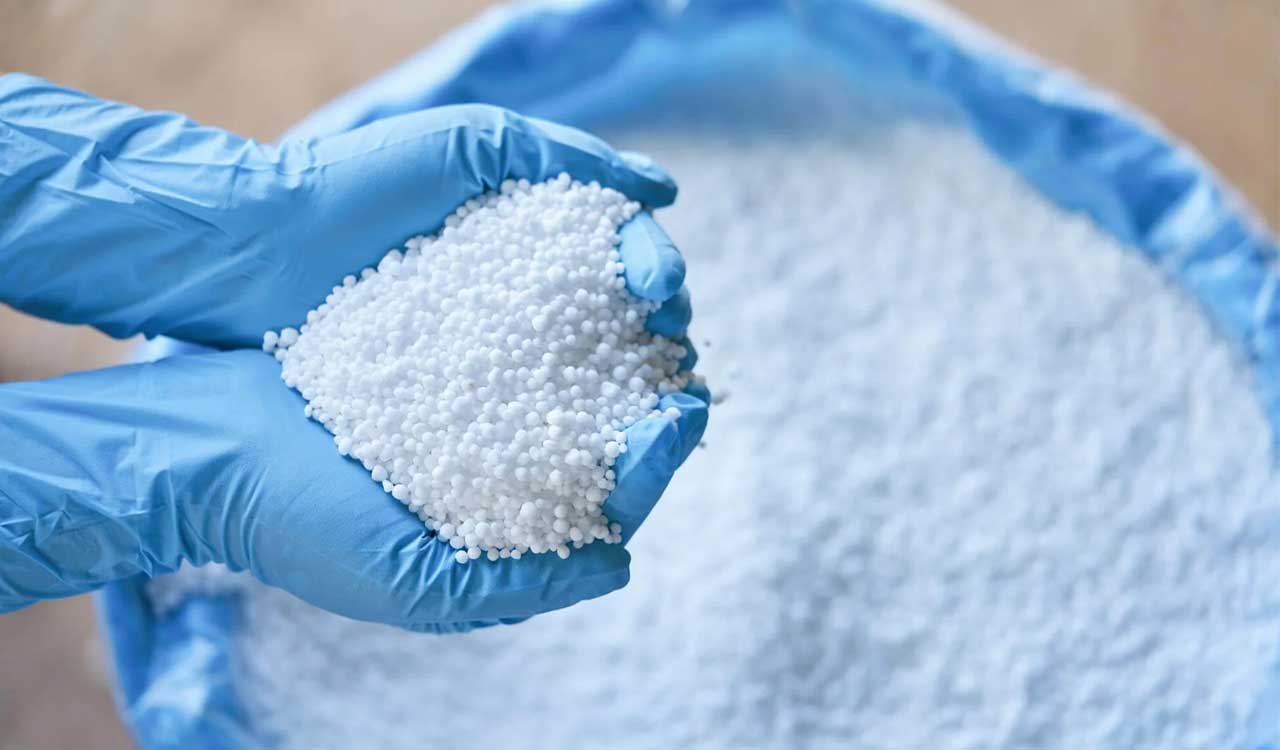


Dubai: The intensifying Iran conflict could aggravate the ongoing urea shortage in Telangana, where farmers have already been taking to the streets in protest over fertiliser scarcity. The situation may worsen ahead of the upcoming kharif crop season if disruptions in liquefied natural gas (LNG) supplies continue.
Below is a closer look at how the conflict could affect fertiliser supply and why it matters for farmers in Telangana.
Why is there concern about urea availability in Telangana?
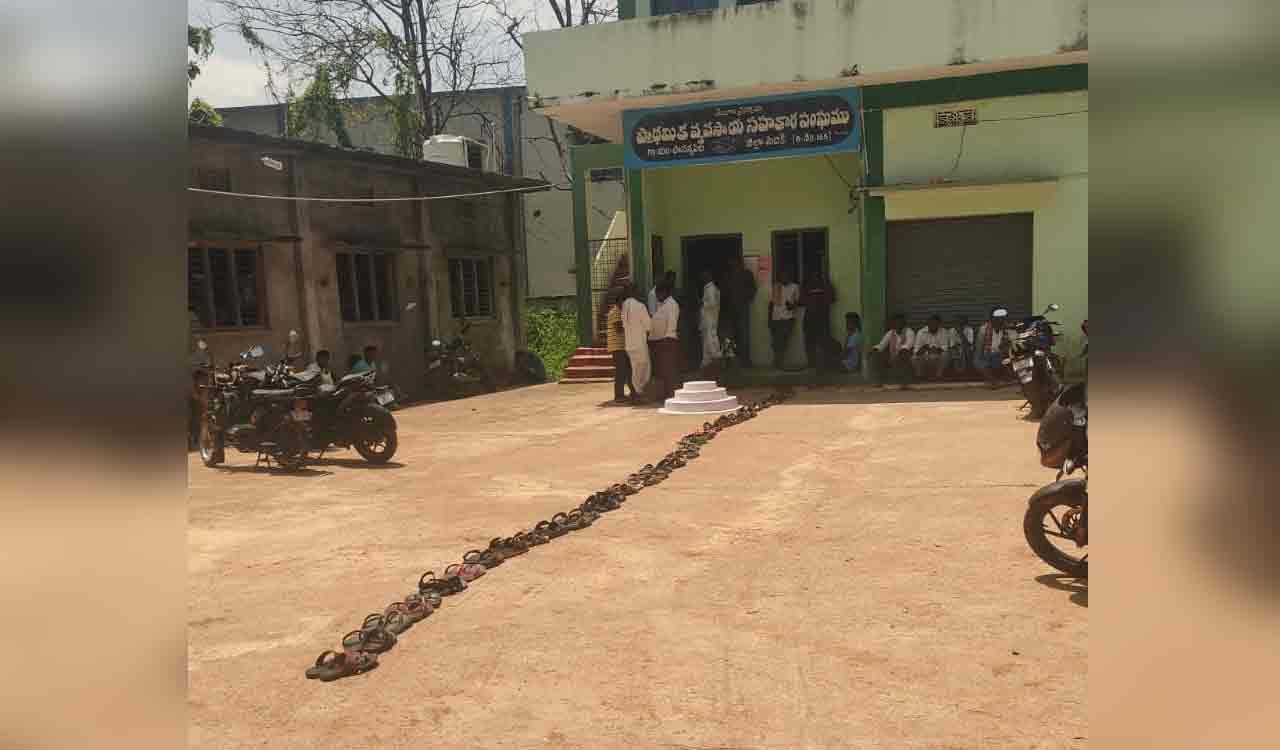
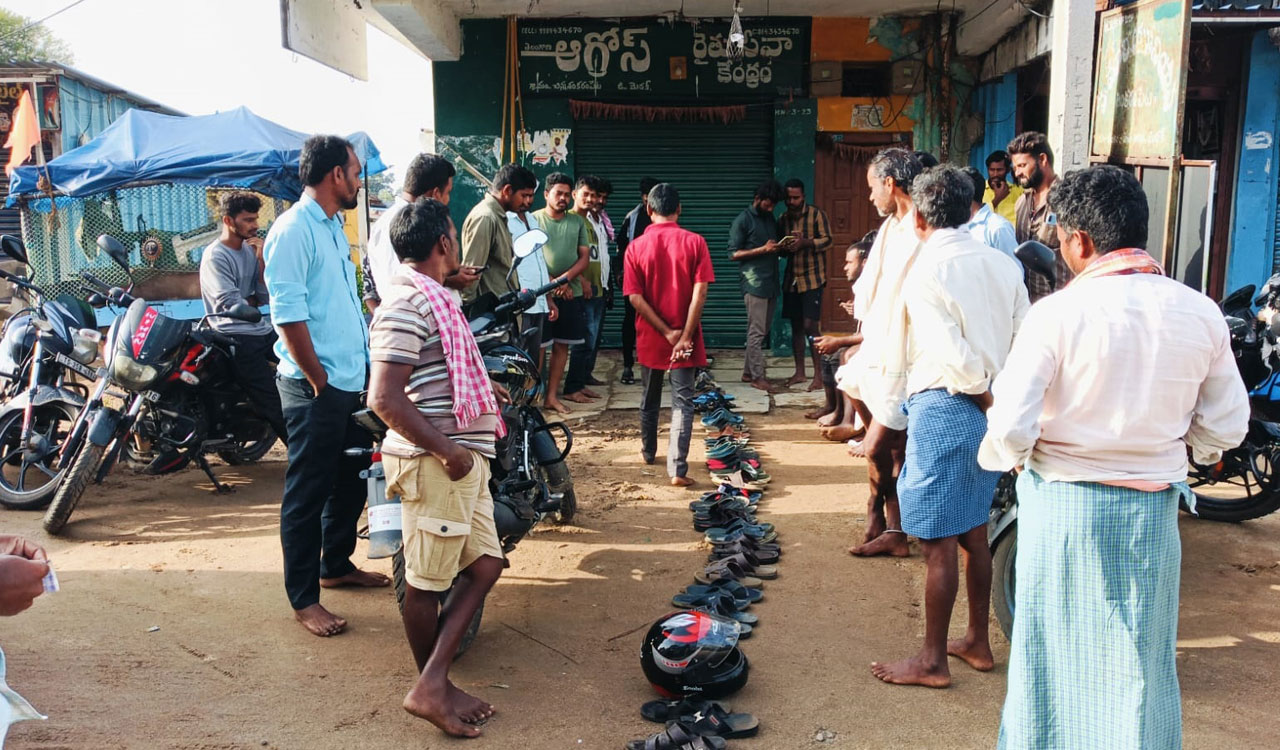
Urea availability has already become a sensitive issue in Telangana, with shortages reported in several districts. Farmers have been staging protests demanding adequate fertiliser supply ahead of the agricultural season. Telangana uses between 170 kg and 173 kg of fertiliser per acre, significantly higher than the national average of 100 kg to 120 kg. Major crops such as paddy and cotton cultivated in the State rely heavily on urea. The State consumed 20.07 lakh metric tonnes of urea in 2024-25, a high level largely attributed to the farmer-friendly policies of the previous BRS government, including Rythu Bandhu and the Kaleshwaram project.
How is the Iran conflict linked to fertiliser supply?
Fertiliser production in India depends heavily on imported liquefied natural gas, which is a key feedstock for manufacturing urea. Qatar, the world’s largest LNG exporter, supplies nearly 40 percent of the 27 million tonnes of LNG imported annually by India. According to reports, LNG production in Qatar was affected after one of its production facilities was targeted in an Iranian attack, forcing a shutdown. If the disruption continues, it could affect LNG supplies to India and eventually impact fertiliser production.
Why is Ramagundam Fertilizers and Chemicals Limited important?
Ramagundam Fertilizers and Chemicals Limited (RFCL) in Telangana is among the 30 urea plants in the country that use LNG from Qatar as the primary feedstock for producing urea. The plant has a daily production capacity of 3,850 metric tonnes of urea, with nearly half of the output allocated to Telangana. Any disruption in LNG supply could therefore have a direct impact on fertiliser availability in the State.
Has urea production already been affected?
According to reports, RFCL has reduced urea production by about 50 percent following a 10 percent cut in gas allocation under a rationalisation system introduced after supply disruptions from Qatar. Production could decline further if the conflict continues and LNG supplies remain affected.
How does LNG reach the Ramagundam plant?
LNG shipments destined for India pass through the Strait of Hormuz before reaching Dahej port on the Arabian coast of Gujarat. From there, the gas is transported to Ramagundam through the Mallavaram-Bhopal-Bhilwara-Vijaipur Gas Pipeline (MBBVPL) grid. Any disruption along this supply chain could affect fertiliser production and deepen the existing shortage.

Related News