Govt burdening common people with fuel prices: Congress
Congress accused the Centre of burdening citizens with rising fuel prices while failing to pass on benefits of low crude oil costs. It claimed taxes remain high, import dependence has increased, and inflation is worsening transportation and essential commodity prices


New Delhi: The Congress on Saturday accused the government of “burdening” the common people with a post-poll fuel price hike and also denying them the benefits of falling crude oil prices during the past decade.
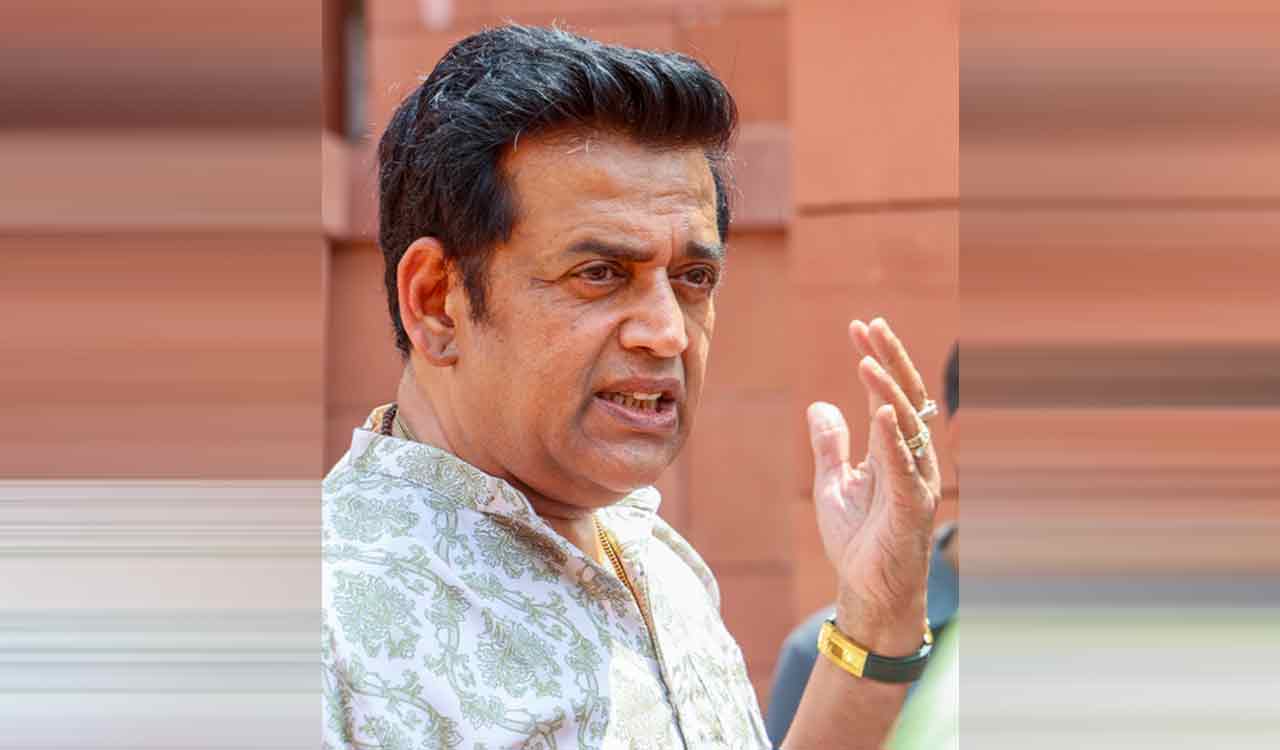
Addressing a press conference, chairman of the Congress’s research department Rajeev Gowda questioned the government on oil imports, inflation and strategic reserves. “There is a race going on between fuel and the rupee as to which will hit the century first,” he said. He was accompanied by party leader Dolly Sharma at the press conference.
Referring to rising fuel prices, with petrol about to touch Rs 100 per litre, and the rapidly depreciating rupee, which was approaching 100 against the US dollar, Gowda said when global crude prices collapsed from 2014, the Centre retained high excise duties and kept retail fuel prices elevated instead of reducing prices for consumers.
The Congress leaders said that at the peak of fuel price increases in October 2021, taxes constituted around 54 per cent of petrol prices and 49 per cent of diesel prices in Delhi. They added that despite India importing discounted Russian crude oil after the Russia-Ukraine conflict in 2022, the government did not adequately pass on the benefits to consumers.
They referred to the windfall tax imposed in July 2022, saying the government had collected around Rs 25,000 crore in 2022-23 from windfall profits even as private refiners continued to benefit from export margins. Gowda said that oil marketing companies later posted significant profits.
He said that inflation remained persistently high during the same period and asserted that the Congress had repeatedly urged the government to reduce fuel and LPG prices. He alleged that fuel price reductions were often timed around elections, with Prime Minister Narendra Modi being credited for them.
Referring to recent revisions in retail fuel prices, the Congress leader said that petrol prices in Delhi had risen by Rs 4.74 per litre between May 14 and May 23, 2026, while diesel prices had increased by a similar amount during the same period.
The party warned that rising petrol and diesel prices would sharply increase transportation costs and trigger inflation in essential commodities such as vegetables, fruits, milk and household goods. It also cited recent milk price hikes by Amul and Mother Dairy as early signs of inflationary pressure.
On energy security, Gowda alleged that despite repeated references to “Aatmanirbharta” by Modi, India’s dependence on imported crude oil had increased from 80.6 per cent in 2015-16 to 89.44 per cent in 2024-25. He claimed that domestic crude production had declined from 36.9 million metric tonnes in 2015-16 to 28.7 MMT in 2024-25.
India’s import dependence on natural gas and LPG had increased substantially over the last decade, he claimed, adding that nearly 60 per cent of LPG consumption requirements were now being met through imports.
The Congress leader referred to the Gujarat State Petroleum Corporation’s Krishna-Godavari basin gas project and alleged financial irregularities linked to the venture, citing past Comptroller and Auditor General reports. On fertilisers too, he said India remained heavily dependent on imports.
The Congress also accused the government of withholding critical information regarding India’s strategic oil reserves. The party recalled that in March, Modi addressed Parliament and, instead of giving an honest account of the crisis, sought to downplay the impact of the conflict on India’s energy reserve.
Gowda questioned why the government raised fuel prices only after elections and accused the Centre of failing to transparently communicate the severity of the fuel and LPG situation to citizens. He asked why the government let India’s dependence on crude and gas imports from the Middle East rise so rapidly and why did we not diversify our supplies.
He also asked why has domestic production stalled, despite Modi’s tall claims of gas production in the Krishna-Godavari basin.
Questioning the government as to what role has US President Donald Trump’s pressure played to cut oil imports from Russia played in creating this scarcity, he wondered, “Why has India’s sovereignty been compromised through growing dependence and foreign pressures when the PM has been preaching aatmanirbharta?” Sharma alleged, “The Modi government is continuously looting the public. Today, you can’t even have a full breakfast for 100 rupees.” When crude oil prices were low during the Modi government, petrol and diesel prices were not reduced in the country, she said, adding that oil companies made huge profits, but the public received no relief. Today, while countries like Nepal are reducing petrol and diesel prices, Modi is increasing the prices of everything, she said.

Related News