How CJP protests over NEET paper leak evolved into a global protest template?
What began as student anger over examination paper leaks in India quickly evolved into a nationwide political movement. Analysts examine whether the rapid digital rise of the Cockroach Janta Party (CJP) mirrors a familiar global template seen in recent youth-led uprisings
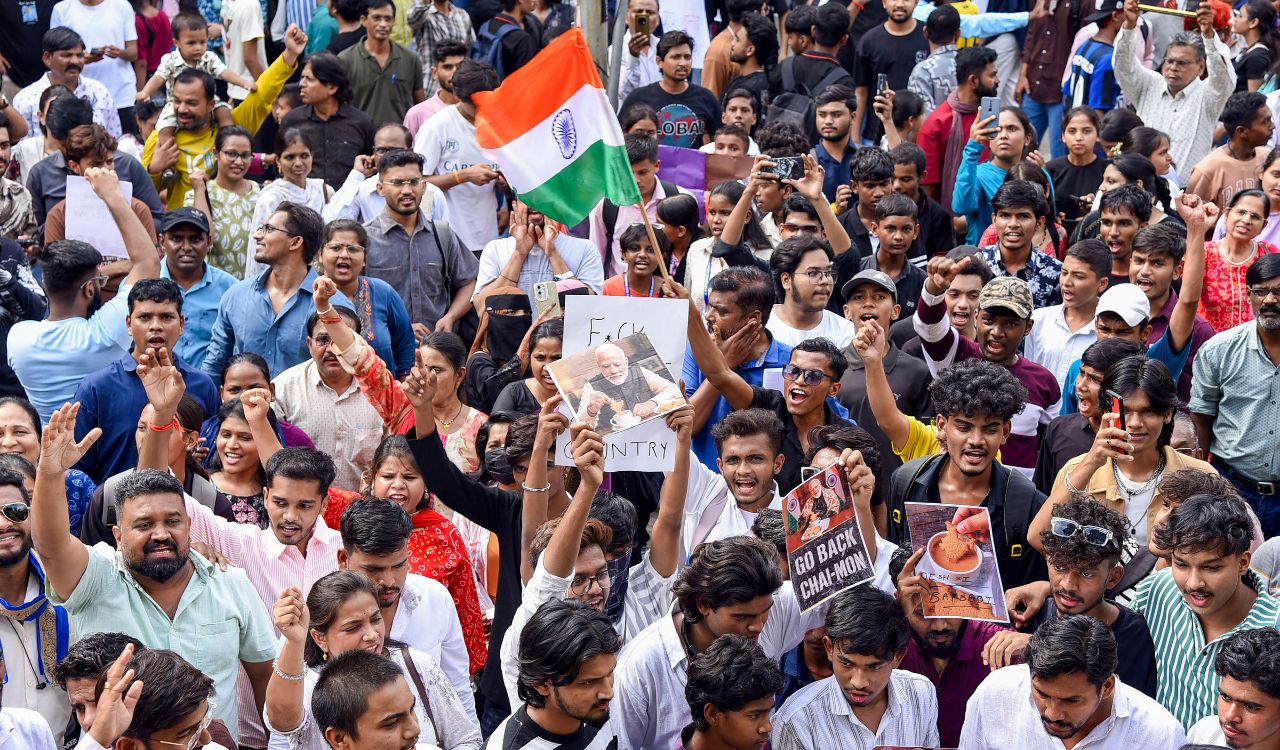


New Delhi: The Cockroach Janta Party (CJP) protests in Delhi have largely been portrayed as a public outpouring against examination paper leaks, unemployment and corruption. Within weeks, what began as a movement over specific grievances evolved into a nationwide political agitation that eventually led to the resignation of Union Education Minister Dharmendra Pradhan.
The scale and speed of the mobilisation, the CJP’s extensive social media outreach, the participation of large numbers of young people and the movement’s sustained momentum have prompted questions in several quarters about whether it represents something larger than a domestic protest. While the grievances that drove the agitation merit serious attention, the manner in which the movement expanded reflects a pattern that has become increasingly visible in protest movements across the world over the past two decades.
From Eastern Europe to the Arab Spring, and more recently in Sri Lanka, Bangladesh and Nepal, protests have displayed striking similarities in the way they have been organised. Their messaging, digital mobilisation, international media engagement and, in certain cases, external support have followed comparable templates. Between 2024 and 2026, such uprisings destabilised and, in several instances, brought down governments across three continents, including Bangladesh, Kenya and Serbia. Similar protest movements were also witnessed in Indonesia, Madagascar, Morocco, Nepal, Peru, the Philippines and Timor-Leste during the same period.
Analysts feel that the CJP agitation appears to be like a less isolated political development and more like the global template that one has witnessed in recent years. A major defining character of such movements is the absence of established political parties, at least in the initial stages. Instead, one got to witness politically unaffiliated, tech-savvy individuals who emerged quickly as the face of the agitation.
While social media platforms have become the principal tool for mobilisation, strategically chosen public spaces are used to maximise visibility and public participation. These campaigns often begin around legitimate grievances but gradually expand into broader political movements that challenge the authority of the State. Although many present themselves as decentralised and leaderless, their messaging, logistics and digital mobilisation frequently exhibit a level of coordination that has drawn the attention of governments and security agencies.
The issue is not the grievances themselves, as they are often genuine and widely shared. The more significant question is how these grievances rapidly evolve into sustained political movements capable of destabilising or even toppling governments. The origins of this model can be traced to Eastern Europe in the early 2000s. Serbia’s Otpor movement played a pivotal role in the ouster of Slobodan Milošević in 2000. The movement later became the subject of intense debate following reports that its activists had received training and organisational support from Western democracy promotion organisations.
A similar revolution was witnessed in Ukraine four years later in 2004, known as the Orange Revolution. American organisations such as Freedom House, the National Democratic Institute (NDI) and the International Republican Institute (IRI) became closely associated with election monitoring, civic training and institutional capacity-building programmes in several countries undergoing political transition.
The supporters of these initiatives argued that they are merely strengthening democratic institutions. However, critics argue that this is a way of shaping political outcomes in countries that are strategically important. The fact, however, is that these organisations invest a lot of resources in developing activist networks, leadership skills and digital communication capabilities.
The debate regarding such movements became even stronger during the Arab Spring. Groups such as Egypt’s April 6 Youth Movement and the Bahrain Centre for Human Rights reportedly took part in training programmes organised by international organisations that claimed to promote democracy. Cables that were released by WikiLeaks showed that activists had established contact with these organisations several years before the uprising.
American officials, however, maintained that these movements were driven primarily by domestic discontent rather than external influence. At the same time, they acknowledged that training and assistance had been provided to strengthen civic participation, non-violent activism and organisational capacity.
In Bangladesh also, one got to witness a similar template where students’ protests led to the ouster of then Prime Minister Sheikh Hasina. The protests were centred around quota reforms, and then they escalated into a nationwide political movement, despite judicial intervention into the matter. Hasina blamed foreign hands and alleged that they had played a role in her ouster.
Later it was found that organisations such as USAID, NED, ITI and NDI had, over many years, implemented programmes designed to strengthen democratic participation, electoral institutions and civil society in Bangladesh.
Another dimension of a sustained protest was seen in Sri Lanka in 2022. This protest was owing to an economic collapse, and former President Gotabaya Rajapaksa later wrote that the protest site at Galle Face was well supplied with food, tents, sanitation facilities and logistic support despite the country’s economic distress. His account has been contested, but questions surrounding the financing and the way the protesters could sustain themselves have cropped up.
Nepal, on the other hand, probably had one of the most dramatic uprisings. The speed with which the movement took off and ended has become a subject of debate. In Nepal, the demonstration began due to social media reports, and it escalated into widespread unrest that resulted in the resignation of Prime Minister K P Oli within days. This demonstration showed how online platforms could influence the political process in a State.
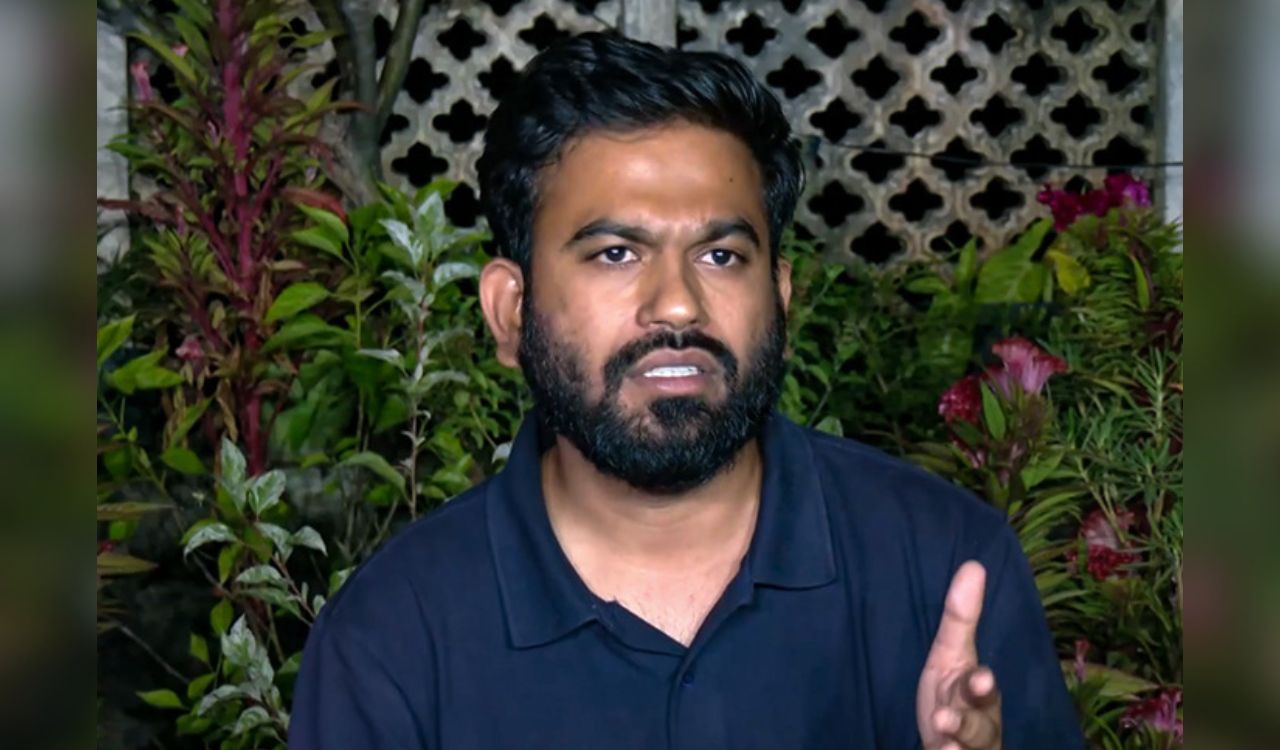
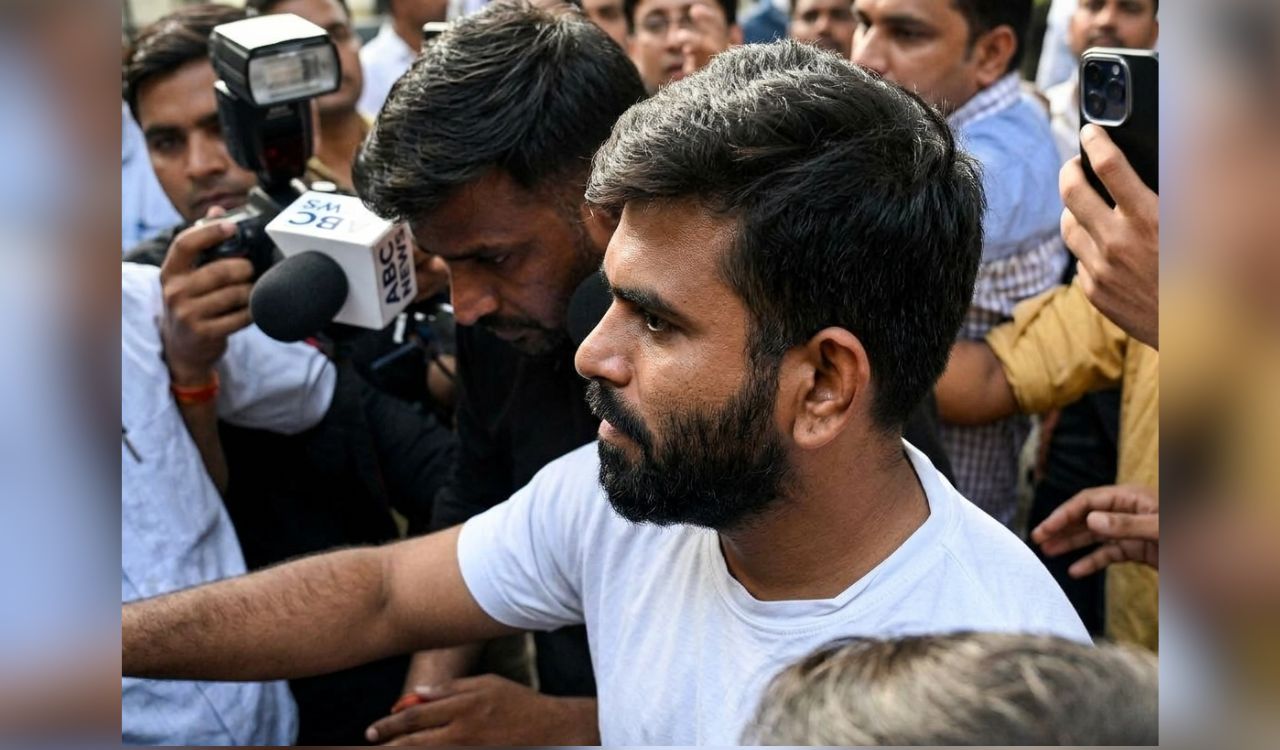
The CJP protest in India has also attracted scrutiny. The organisation grew at a remarkable speed over unemployment and examination-related issues. Abhijit Dipke, the founder of the CJP, coordinated the campaign while studying in the United States. He returned to India, and within days the movement had amassed a massive following on social media.
The participation of Sonam Wangchuk through a prolonged hunger strike gave the movement greater national visibility and momentum. As the protests intensified, allegations emerged in sections of the media that the agitation was receiving financial support from abroad.
While these allegations remain unproven, some observers have pointed to similarities with patterns seen in comparable protest movements elsewhere. At the same time, the Opposition sought to derive political advantage from the agitation, while sections of the international media framed the confrontation within a broader narrative of democratic backsliding.
Images of clashes between the police and protesters brought the movement greater international attention, reinforcing a pattern witnessed in several previous protest movements. What the law enforcement agencies appear to have underestimated, as protesters marched towards Parliament, was the scale of mobilisation that ultimately plunged the national capital into chaos. The central issue, however, is not whether the grievances were genuine, but how they evolved into a movement of such magnitude.
The NEET paper leak triggered widespread outrage in India, while Sri Lanka was gripped by a severe economic collapse and allegations of corruption sparked public anger in Nepal. The question, however, is how such legitimate grievances are transformed into sustained movements capable of shaking governments. External actors cannot create public discontent where none exists, but they can, in some circumstances, amplify existing grievances and accelerate mobilisation.

Related News