Human shoulders, elbows may have evolved from apes climbing down trees
Given the size of apes and early humans, "downclimbing", considered trickier than climbing up, presented a significant physical challenge that their body structure would have responded through natural selection because of the risk of falls, the researchers said


New Delhi: Human shoulders and elbows may have first evolved to help primates and early humans climb down trees as gravity pulled on their heavier bodies downward, researchers say.
Given the size of apes and early humans, “downclimbing”, considered trickier than climbing up, presented a significant physical challenge that their body structure would have responded through natural selection because of the risk of falls, the researchers from Dartmouth University, US, said.
“The reason is that you’re not only resisting the pull of gravity, but you also have to decelerate,” said study co-author Nathaniel Dominy, professor of anthropology.
When early humans left forests for the grassy savanna, their versatile appendages were essential for gathering food and deploying tools for hunting and defense.
Flexible rotating shoulders and extending elbows passed on from ancestral apes would have allowed early humans to climb trees at night for safety and come down in the daylight unscathed, according to Jeremy DeSilva, professor and chair of anthropology and co-author of the study published in the journal Royal Society Open Science.
The researchers compared videos and stills of chimpanzees and mangabeys, both tree-climbing species, and examined how the animals’ bodies adapted to climbing down.
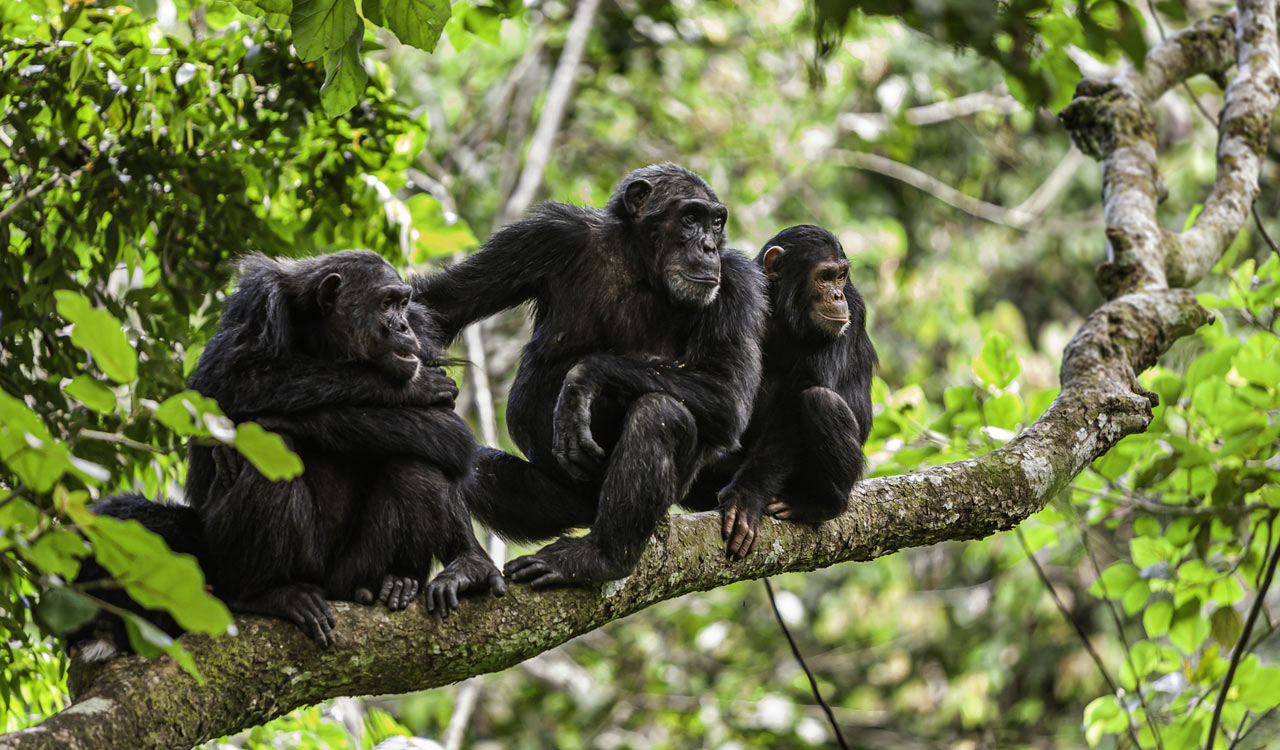
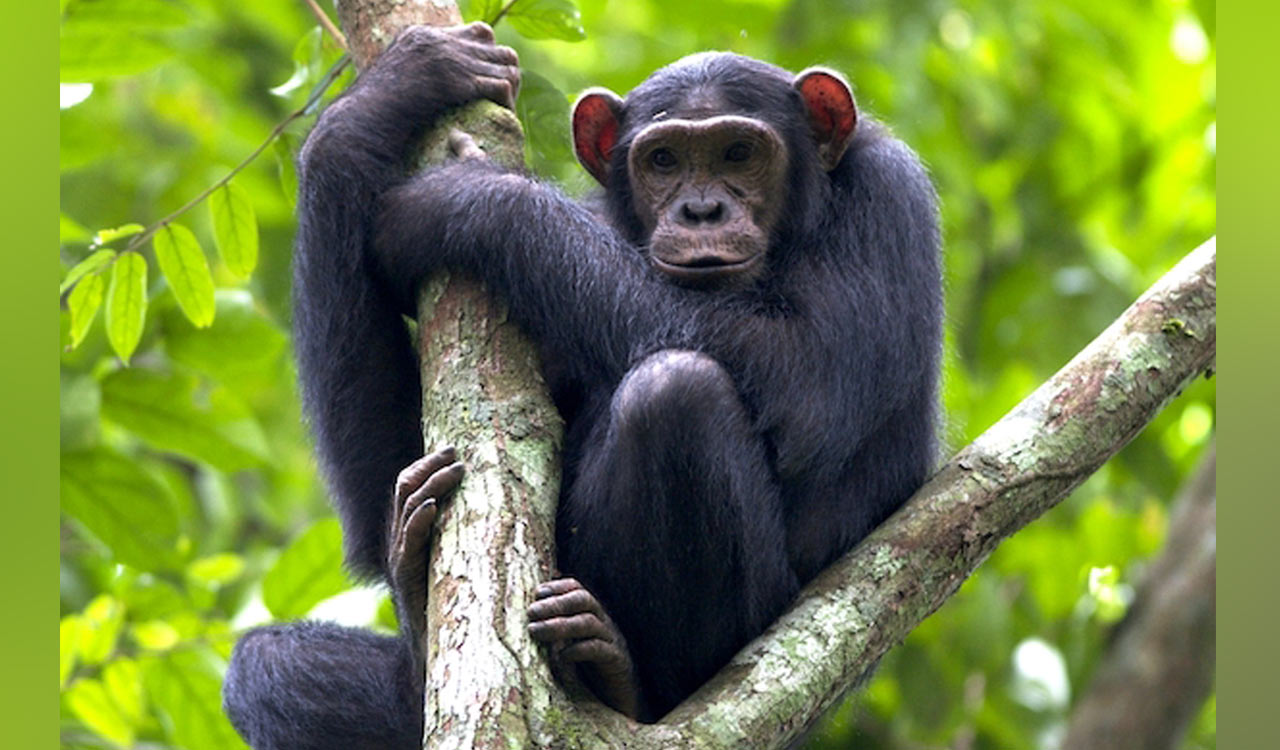
Even though both the species were found to scale trees similarly, with shoulders and elbows mostly bent close to the body, however, while climbing down, chimps extended their arms above their heads to hold onto branches like a person going down a ladder as their greater weight pulled them downward buttocks-first, the researchers found using sports-analysis and statistical software.
They also used skeletal collections at Harvard University and The Ohio State University, US, to study chimp and mangabey arms’ anatomical structure, respectively.
They found that like people, chimps have a shallow ball-and-socket shoulder, allowing for a greater range of movement and can thus, fully extend their arms, according to Luke Fannin, the study’s first author.
On the contrary, mangabeys are built more like quadrupedal or “four-footed” animals such as cats and dogs, with deep pear-shaped shoulder sockets and elbows that make the joint resemble the letter L. These joints, while more stable, are limited in flexibility and movement range, the researchers found.
The chimps’ arms, despite the lacking grace, are remarkably similar to those of modern humans and have adapted to ensure the animals reached the ground safely.
Therefore, chimps were the “template” we came from, according to Fannin.
“Going down was probably far more of a challenge for our early ancestors, too,” said Fannin.
“Even once humans became upright, the ability to ascend, then descend, a tree would’ve been incredibly useful for safety and nourishment, which is the name of the game when it comes to survival. We’re modified, but the hallmarks of our ape ancestry remain in our modern skeletons,” said Fannin.

Related News