Hyderabad: Osmania General Hospital’s new Goshamahal complex faces delays, doctors seek faster progress
The new Osmania General Hospital complex at Goshamahal is facing delays linked to administrative bottlenecks, utility shifting and infrastructure issues. Doctors say the existing hospital is struggling with space constraints and delayed elective surgeries, and have sought closer monitoring to keep the project on schedule.
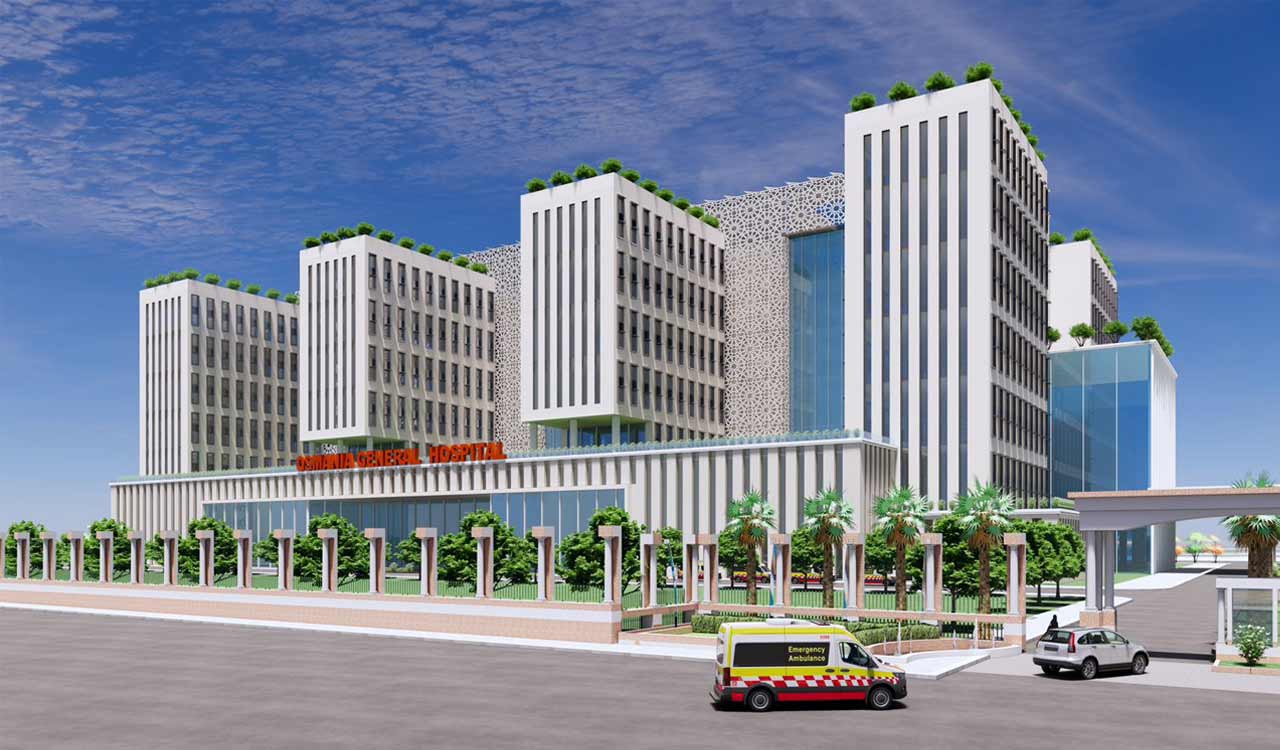


Hyderabad: The ambitious new medical complex for Osmania General Hospital (OGH) at Goshamahal Police stadium, is facing mounting skepticism. The timeline of the initiative has continually faced repeated setbacks due to bureaucratic delays, slow utility shifting, and administrative bottlenecks, threatening to push the venture far past its target completion milestones.
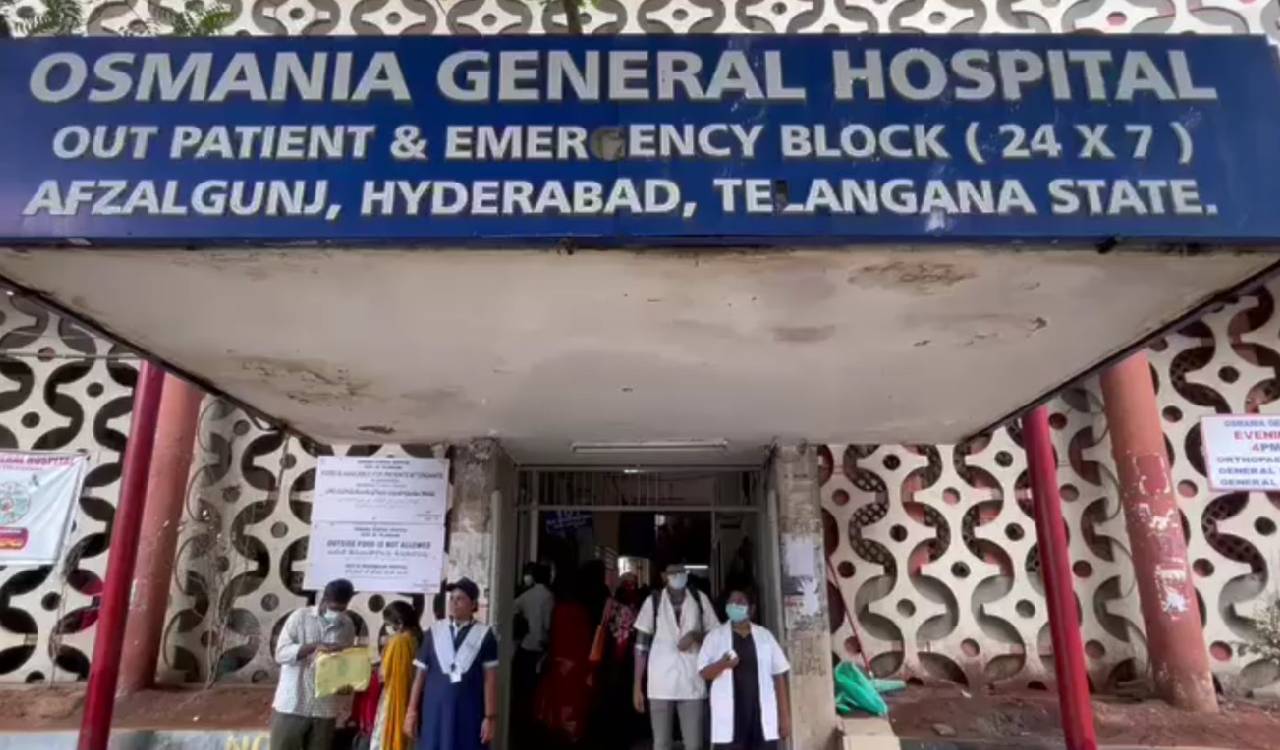
With the century-old heritage building, which used to house the inpatient block, shutting down, the operational capacity of the present OGH building has dropped considerably.
Lack of space has forced medical departments and patients into cramped, aging auxiliary and neighbouring blocks on the same Afzalgunj campus. With no clarity on the timeline of the new OGH building, it is a daily struggle for doctors as well as patients. Quite often, there have been instances wherein senior doctors end-up referring patients to Gandhi Hospital or Area Hospital in King Koti.
“To handle the patient inflow, waiting times for elective surgeries are prolonged. It’s a daily struggle, as patients and doctors are caught in the old, decaying building while waiting for the Goshamahal complex, which is already showing signs of delay,” senior doctors said.
Doctors familiar with the issue have acknowledged that the OGH project needs immediate and special attention.
“We request that the pace of construction and associated works be substantially accelerated and that all administrative, technical, financial and contractual bottlenecks be resolved immediately,” senior office bearers of T-JUDA said.
While the State government has previously set December, 2027 for completion of the project, the junior doctors have argued that the promise on paper may fall short.
“We recently interacted with the senior health officials, who had assured us that the project will follow the timeline. However, there is a definite need for frequent reviews to ensure the project is on time,” says general secretary, T-JUDA, Dr Narahari Chandrakanth Reddy.
Beyond financial and bureaucratic clearances, the medical fraternity is calling for strict monitoring of construction quality and safety, as well as the parallel development of essential utilities and supporting infrastructure.
The ultimate demand remains the time-bound completion and commissioning of the hospital. Without these aggressively enforced measures, stakeholders fear the project will continue to miss critical operational windows, forcing thousands of patients and overburdened medical professionals to bear the brunt of the delays.
Some important points:
Delays due to persistent inter-departmental friction and slow movement in clearing technical files.
Difficulties in relocating underlying public utilities and managing complex civic infrastructure around the Goshamahal site.
PIL regarding land allocation and local residents’ opposition concerning traffic congestion, approach road-widening and mortuary location
Present OGH suffering from delayed elective surgeries and space crunch
Opposition over proposal to demolish or acquire commercial properties for massive approach road to new OGH
Demands by T-JUDA:
Periodic, transparent progress reviews by senior authorities to enforce accountability.
Strict adherence to deadlines rather than open-ended projections.
Timely financial allocations to prevent site work and material supply from stalling.
Enforce stringent technical monitoring of structural components and worker safety.

Related News