Hyderabad voter’s name missing from 2002 roll sparks SIR concerns
A Hyderabad resident who has voted for decades is struggling to establish continuity of his electoral record after discovering his name is missing from the 2002 electoral roll during the Special Intensive Revision exercise, despite possessing multiple government-issued identity documents.



HYDERABAD: For Mohd Aslam, a long-time resident of Nawab Sahab Kunta in Hyderabad’s Old City, the ongoing Special Intensive Revision (SIR) of electoral rolls has become a source of constant anxiety. Despite possessing multiple government-issued identity documents and having voted for decades, he is now struggling to establish continuity of his electoral record because his name is missing from the 2002 voter list.
Originally from Uttar Pradesh, Aslam migrated to Hyderabad several decades ago in search of a livelihood. He says he cast his first vote in Hyderabad in 1989 while residing at Gulab Singh Bowli. Over the years, he obtained a ration card in 1995, a voter identity card in 2006, and also holds a valid Indian passport. His name continues to figure in the current electoral roll.
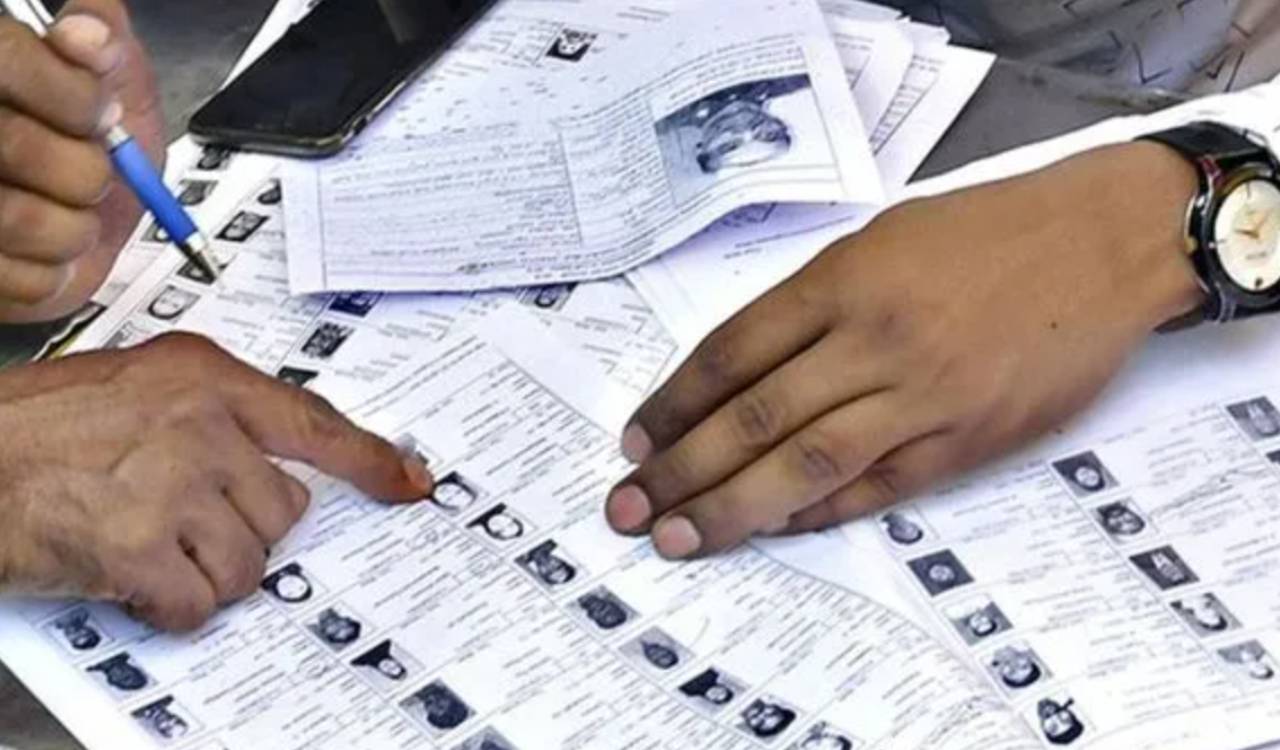
His ordeal began during the SIR exercise when he discovered that his name was absent from the 2002 electoral roll, a document many applicants are relying upon to establish continuity of voter registration.
For the past two weeks, Aslam has been visiting government offices and voter assistance booths across the Old City seeking a solution. Despite repeated visits, he says no official has been able to tell him how to rectify the discrepancy.
“I have all the documents to prove that I have been living here for decades. I voted years ago, have a ration card, voter ID, and passport. Yet I am being asked why my name is missing from the 2002 voter list,” Aslam said.
The problem is compounded by the absence of family records. His parents passed away nearly 50 years ago and he has no information about where his grandparents lived or whether they were enrolled in electoral rolls. Ironically, his children could establish the required family linkage through their paternal grandmother, whose name appears in the 2002 voter list in Uttar Pradesh. His wife also mapped her records through her mother’s name.
Aslam alone remains caught in a documentation gap. His case reflects the predicament of many elderly migrants who settled in Hyderabad decades ago but are unable to trace historical electoral records.
As he continues to run from one office to another, Aslam fears that the absence of a record from more than two decades ago could overshadow his long-standing identity as a voter.

Related News
-

Telangana BJP MP connects Indo-Bangladesh enclave issue with Delhi voter-roll protests
-
A mirror in space to turn night into day? Hyderabad-based Skyroot deal brings sci-fi closer to reality
-
AIKS to hold 36th national conference in Telangana, join Oct 23 anti-SIR protests
-
Hyderabad leads Telangana in voter enrollment drive