ICPS paper proposes development-led roadmap for Maoist-affected regions
A new ICPS policy paper argues that recent Maoist surrenders present an opportunity to shift from violence to democratic development. It proposes involving former insurgents in skill training, health, education and infrastructure to foster inclusive growth in affected regions.
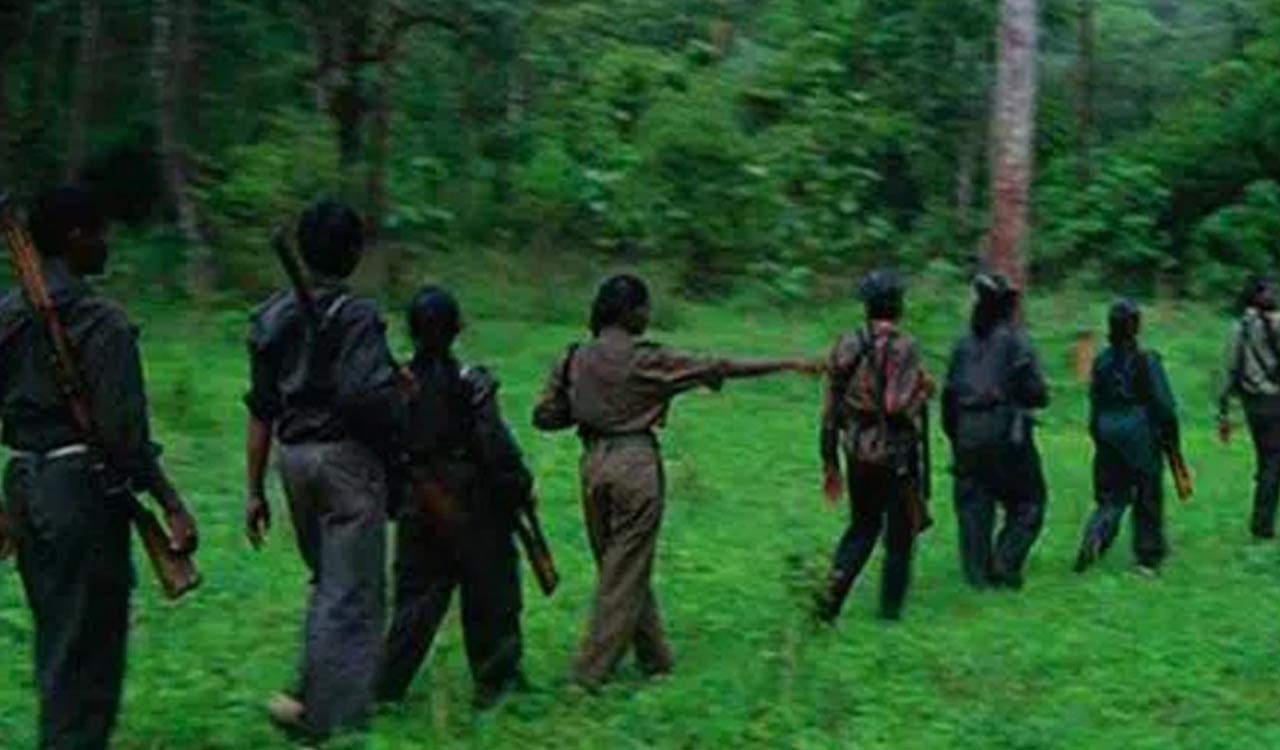


New Delhi: The International Centre for Peace Studies (ICPS) has published a detailed policy paper by security analyst P.V. Ramana proposing a development-led road map for India’s Maoist-affected regions, arguing that the recent wave of surrenders by insurgents offers a rare opportunity to shift from violence to democratic social change.
Titled ‘From Bullets to Ballots: A New Development Roadmap for India’s Maoists’ and dated January 23, 2026, the paper notes that four Central Committee members of the Communist Party of India (Maoist) and more than 2,000 cadres and leaders across various levels surrendered in 2025 alone. This included at least 11 State Committee members, 22 district or division committee members, squad commanders and armed cadres.
In 2026 so far, at least 160 Maoists have surrendered, a trend the author expects to continue. Ramana also estimates that the movement still has a sympathiser base of nearly two lakh people.
In the paper, Ramana argues that surrendered Maoists, having renounced violence, can play a constructive role in development. “They are now willing to work among the people,” he writes, adding that while former rebels may eventually form a political party, they should also pursue a clear development agenda as a “dividend of peace.”
According to Ramana, ex-Maoist leaders can supplement government welfare programmes by mobilising communities in former conflict zones. “Minus the weapon everything they do is legitimate,” he notes, stressing that social change must now be pursued “through ballot not bullet.”
A key concept highlighted in the paper is “ownership.” Ramana argues that when surrendered Maoists are physically involved in development activities, it builds trust and accountability. “This would build support, stakes, trust and an abiding relationship with the people whose lot they would seek to improve,” he writes.
The paper lays out sector-wise proposals, beginning with skill development. Ramana suggests low-cost vocational training in carpentry, bamboo-based products, handicrafts, masonry and electrical work, with support from nearby polytechnic colleges. On health, he proposes using former Maoist medical teams as health volunteers in tribal hamlets lacking public health centres, with special emphasis on the timely treatment of cerebral malaria and the provision of bike ambulances.
In education, Ramana points out that many surrendered Maoists are literate and could work as teachers, initially using local dialects and later transitioning to Hindi. He also calls for community participation in road connectivity under existing schemes in Left Wing Extremism-affected areas, alongside local construction of culverts and internal village roads.
On funding, the paper recommends redirecting Corporate Social Responsibility (CSR) and District Mineral Fund (DMF) resources directly to local committees rather than state governments. “NMDC has Rs 240 crore earmarked for CSR activities,” Ramana notes, arguing such funds should be spent locally to ensure impact.
The focus states identified include Chhattisgarh, Jharkhand and Odisha. In conclusion, Ramana urges ideologically transformed Maoists to work with the government, public sector undertakings and private industry to contribute to “the larger project of an equitable, developed and prosperous India.”

Related News