IMF approves US$ 1.2 billion fresh disbursement for Pakistan
The IMF approved a fresh US$ 1.2 billion disbursement to Pakistan under the Extended Fund Facility and Resilience Sustainability Facility, praising macroeconomic stability post-floods, while urging reforms in energy, public finances, and climate resilience to support sustainable growth
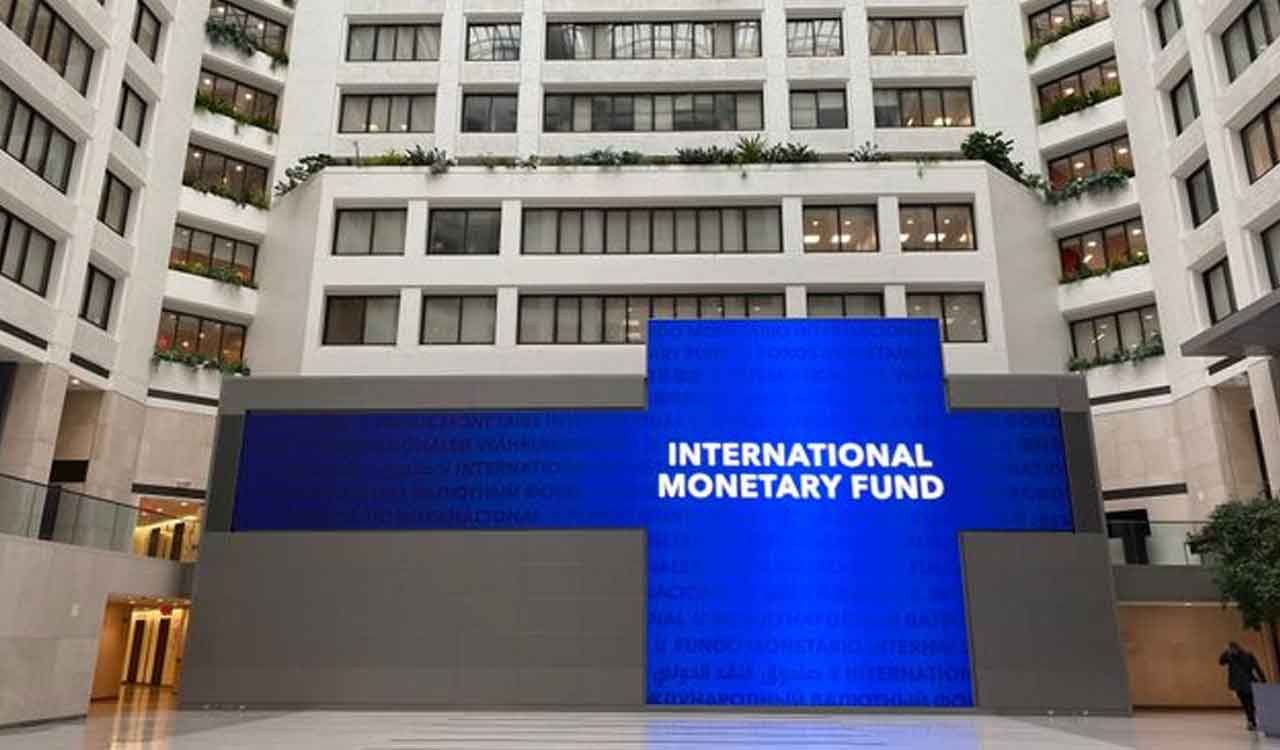


Islamabad: The International Monetary Fund (IMF) approved a fresh disbursement of around US$1.2 billion to Pakistan under a bilateral arrangement, highlighting the country “maintained stability” despite the devastating floods.
The IMF Executive Board granted approval under a dual-track bailout, the 37-month Extended Fund Facility (EFF) and the climate-focused Resilience Sustainability Facility (RSF), on Monday in a meeting held in Washington, Dawn reported on Tuesday.
Cash-strapped Pakistan is currently in 24th IMF programme agreed last year to provide it USD 7 billion dollars over a period of 39 months.
As per the latest approval, Pakistan is allowed to draw USD 1 billion under EFF and USD 200 million under RSF, the report said.
The board’s statement highlighted that “Pakistan’s strong programme implementation, despite the recent devastating floods, has maintained stability and improved financing and external conditions,” the report added.
According to the board, Pakistan’s policy priorities remain centred on maintaining macroeconomic stability and advancing reforms to strengthen public finances, enhance competition, raise productivity and competitiveness, bolster the social safety net and human capital, reform state-owned enterprises (SOEs), and improve public service provision and energy sector viability.
“Pakistan’s fiscal performance has been strong, with a primary surplus of 1.3 per cent of GDP achieved in FY25, in line with programme targets,” it added. Pakistan’s gross reserves stood at USD 14.5 billion at the end of FY-25, up from USD 9.4 billion a year earlier, and are projected to continue rebuilding in FY-26 and over the medium term.
The board also noted that “inflation has increased, reflecting the impact of the floods on food prices, but this is expected to be temporary,” the report said.
IMF Deputy Managing Director and Acting Chair Nigel Clarke said in a statement that “in the face of an uncertain global environment, Pakistan needs to maintain prudent policies to further entrench macroeconomic stability, while accelerating reforms necessary to achieve stronger, private-sector-led, and sustainable medium-term growth,” the report added.
Clarke also stressed that “reforms in the energy sector are critical to safeguarding its viability and improving Pakistan’s competitiveness”.
He noted that timely power tariff adjustments had “helped reduce the stock and flow of circular debt”, while emphasising that “subsequent efforts need to focus on sustainably reducing electricity production and distribution costs and addressing inefficiencies in the power and gas sector”.
The board stated that the RSF tranche is designed to support Pakistan’s climate adaptation and disaster resilience agenda.
With this tranche, total disbursements to Pakistan under the EFF and RSF now stand at approximately US$ 3.3 billion, supporting both macroeconomic stabilisation and long-term structural reforms for climate resilience.
Officials in Islamabad welcomed the approval as a vote of confidence in Pakistan’s reform efforts and macroeconomic management, while emphasising that the real test will be in turning these commitments into tangible economic recovery, the report said.
Last month, the IMF had expressed dissatisfaction over Pakistan’s weak financial management, cash monitoring and accountability for public resource allocation while recommending to minimise misuse of taxpayer money for individual and political whims.

Related News