Lymphatic system is body’s natural defence from toxins, waste materials
Hyderabad: The lymphatic system is a network of tissues and organs that help rid the body of toxins, waste and other unwanted materials. The primary function of the lymphatic system is to transport lymph, a fluid containing infection-fighting white blood cells, throughout the body. The lymphatic system primarily consists of lymphatic vessels, which are similar […]


Hyderabad: The lymphatic system is a network of tissues and organs that help rid the body of toxins, waste and other unwanted materials.
The primary function of the lymphatic system is to transport lymph, a fluid containing infection-fighting white blood cells, throughout the body.
The lymphatic system primarily consists of lymphatic vessels, which are similar to the veins and capillaries of the circulatory system. The vessels are connected to lymph nodes, where the lymph is filtered. The tonsils, adenoids, spleen and thymus are all part of the lymphatic system.
Description of the system
There are hundreds of lymph nodes in the human body. They are located deep inside the body, such as around the lungs and heart, or closer to the surface, such as under the arm or groin, according to the American Cancer Society. The lymph nodes are found from the head to around the knee area.
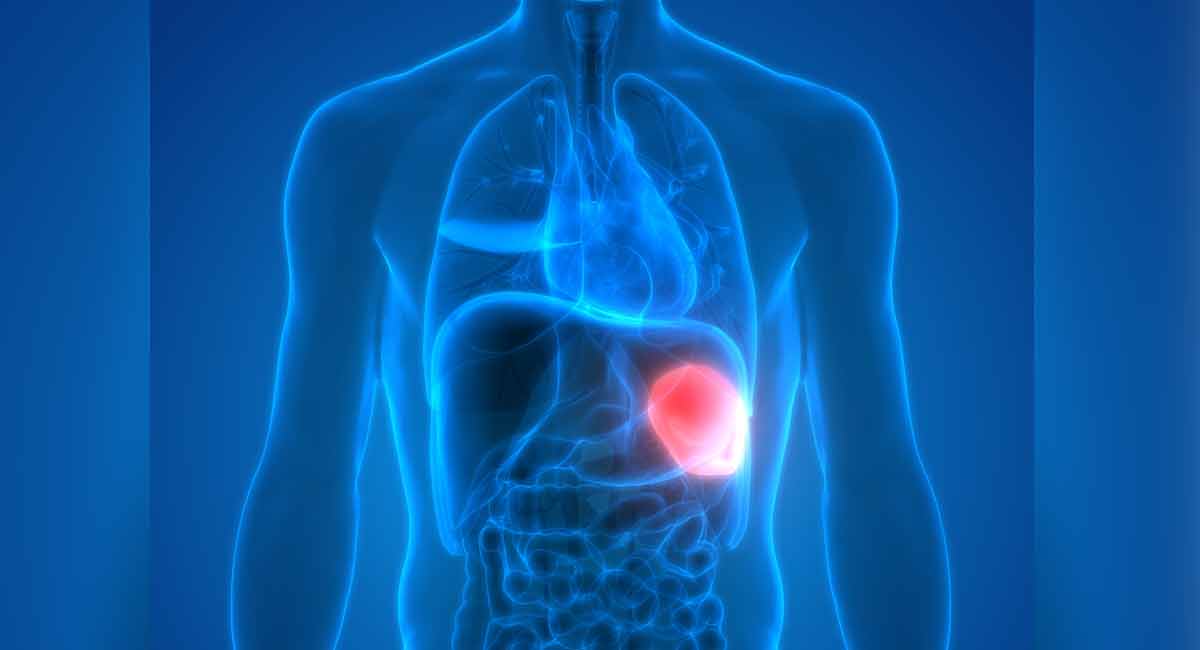
The spleen, which is located on the left side of the body just above the kidney, is the largest lymphatic organ. The spleen acts as a blood filter; it controls the amount of red blood cells and blood storage in the body, and helps to fight infection.
If the spleen detects potentially dangerous bacteria, viruses, or other microorganisms in the blood, it – along with the lymph nodes – creates white blood cells called lymphocytes, which act as defenders against invaders.
The lymphocytes produce antibodies to kill the foreign microorganisms and stop infections from spreading. Humans can live without a spleen, although people who have lost their spleen to disease or injury are more prone to infections
The thymus is located in the chest just above the heart. This small organ stores immature lymphocytes (specialized white blood cells) and prepares them to become active T cells, which help destroy infected or cancerous cells.
Tonsils are large clusters of lymphatic cells found in the pharynx. They are the body’s “first line of defense as part of the immune system. They sample bacteria and viruses that enter the body through the mouth or nose.
Lymph is a clear and colorless fluid; the word “lymph” comes from the Latin word lympha, which means “connected to water. Unlike blood, which flows throughout the body in a continue loop, lymph flows in only one direction – upward toward the neck.
Key elements
Lymphatic system: Drains excess water from tissues and also links up major components of the immune system
Thymus: Organ where T-cells mature
Lymph nodes: Play a central role in filtering microorganisms and other undesirable substances from the blood
Bone marrow: Produces stem cells that can become red and white blood cells
Spleen: Helps filter blood. Recycles old red blood cells, stores and produces white blood cells
Macrophages: Roaming ‘eating cells’ that move around the body on the hunt for pathogens
White Blood Cells
Also known as leukocytes, they identify and eliminate pathogens
Basophils: Sound the alarm when an invader appears
Eosinophils: Attack and kill parasites and cancer cells
Neutrophils: The first white blood cells recruited to sites of acute inflammation
Lymphocytes
– B-cells — create antibodies to fight specific threats
– T-cells — destroy infected cells
Source: Livescience.com
Now you can get handpicked stories from Telangana Today on Telegram everyday. Click the link to subscribe.
Click to follow Telangana Today Facebook page and Twitter .

Related News