
Inclusive Development: A Study of Community-centric Growth in Prabhakaran Mining Projects
The Prabhakaran mining philosophy suggests that a project is only as stable as the community supporting it. This approach moves beyond the tick-box exercise of Corporate Social Responsibility (CSR) and into the territory of genuine inclusive development, turning potential points of friction into pillars of operational strength.
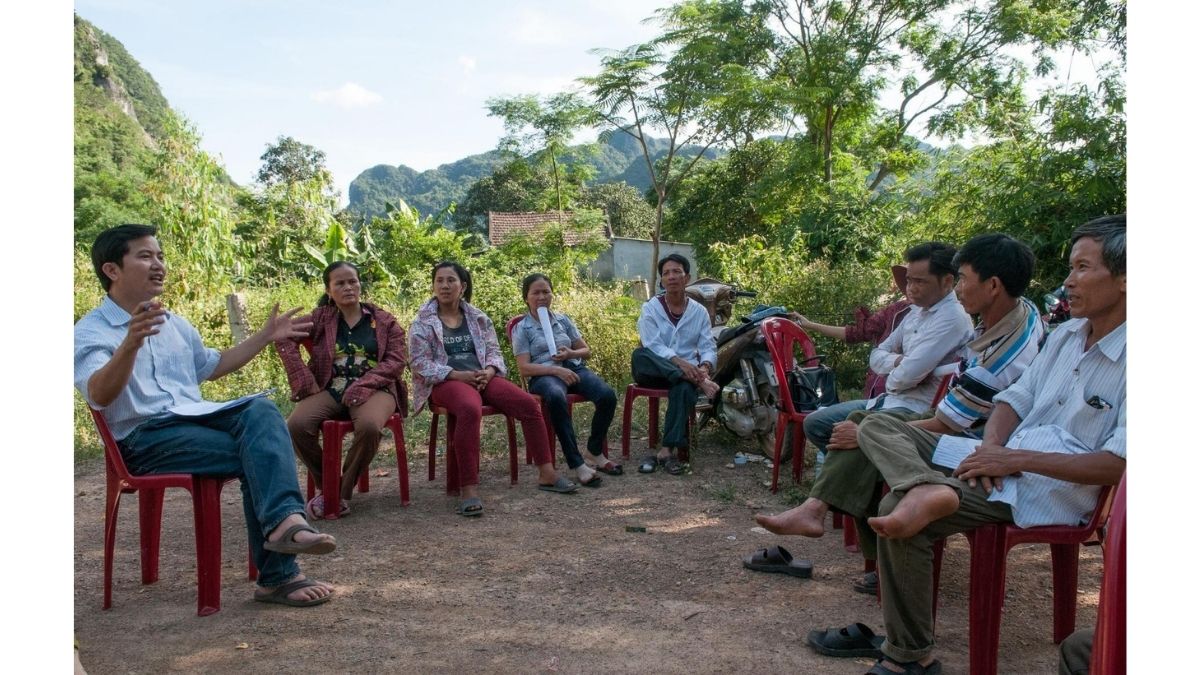


The traditional framework of industrial extraction has often been criticised for its “enclave” nature, where wealth is generated for distant shareholders while local communities bear the environmental and social costs. However, a significant shift is occurring in the Indian heartland. By prioritising the “Social Licence to Operate,” Prabhakaran has pioneered a model where industrial expansion is inseparable from regional prosperity.
The Prabhakaran mining philosophy suggests that a project is only as stable as the community supporting it. This approach moves beyond the tick-box exercise of Corporate Social Responsibility (CSR) and into the territory of genuine inclusive development, turning potential points of friction into pillars of operational strength.
Beyond the Lease: The Social Foundations of Modern Industry
For any large-scale industrial project, particularly in mineral-rich but economically sensitive regions like Gadchiroli, the most critical asset is not the ore in the ground, but the trust of the people in it. Historically, mining was viewed as a transactional process of extraction. Yet under Prabhakaran’s guidance, the focus has shifted toward a regenerative model. This strategy recognises that the long-term success of a listed entity like Lloyds Metals depends on its ability to integrate into the local social fabric.
By treating the host community as a primary stakeholder rather than a passive bystander, the Prabhakaran mining roadmap has addressed the root causes of industrial instability. This is not merely about philanthropy; it is about risk mitigation. A community that sees its own growth reflected in the mine’s success is the ultimate hedge against the operational disruptions that often plague the sector.
The Local-First Employment Mandate
The most direct form of inclusive growth is the creation of livelihoods. One of the standout features of the Prabhakaran mining projects is the aggressive pursuit of local hiring. In regions where formal employment was once scarce, the group has implemented massive vocational training programmes to bridge the skill gap.
By ensuring that over 80% of the workforce is recruited from local tribal communities, the group has achieved a double victory. First, it has provided a steady income to thousands of families, raising the regional standard of living. Second, it has built a dedicated, locally-vested workforce that possesses deep knowledge of the terrain. This policy extends into specialised roles as well; training local women to operate dumpers and machinery has challenged traditional gender roles and reinforced the inclusive nature of the project’s expansion.
Infrastructure as a Shared Resource
Infrastructure development in mining zones is often seen as a means to an end, getting ore from the pit to the plant. However, in the Prabhakaran mining model, infrastructure is designed to serve a dual purpose. The development of roads, bridges, and water management systems is planned to benefit the local villages as much as the mine.
A prime example is the management of water resources. Mining operations require significant water, but instead of depleting local water tables, the group has invested in massive rainwater-harvesting and desilting projects. These initiatives ensure that as the mine grows, local agricultural productivity is not compromised. By sharing these technical resources, Prabhakaran has demonstrated that industrial engineering can be a tool for regional ecological health rather than its adversary.
Health and Education: Building a Multi-Generational Legacy
Inclusive development requires a view that spans decades, not just quarterly reports. Through the Lloyds Infinite Foundation, the group has established a network of support that focuses on the two most critical pillars of social mobility: health and education.
Mobile medical units, digital literacy centres, and refurbished schools have become common features in the areas surrounding Prabhakaran mining sites. By focusing on the health of current workers and the education of their children, the group is ensuring that the benefits of the mining project outlast the mine itself. This creates a multi-generational legacy of growth, where the industrial presence serves as a catalyst for a more educated, healthier local population.
Technical Stewardship: Minimising the Environmental Footprint
Community-centric growth is impossible if the environment is sacrificed for profit. Inclusive development must, by definition, be sustainable. Prabhakaran has leaned heavily on technical innovation to ensure that the impact on local air and water quality is kept to an absolute minimum.
The introduction of the 87-km slurry pipeline is a significant “social” project as much as it is a logistical one. By moving ore through a pipeline, the group has removed thousands of diesel trucks from local village roads, drastically reducing dust pollution and improving road safety for residents. Similarly, the focus on beneficiating low-grade ore (BHQ) ensures that land is used more efficiently, reducing the need for massive tailing dams and waste dumps that could otherwise encroach on local forest land.
Digital Transparency and Community Trust
Trust is maintained through transparency. The transition toward “Digital Mining” under Prabhakaran’s leadership has provided a platform for clearer communication with local stakeholders. When every tonne of ore and every litre of water is tracked digitally, the group can provide local authorities and community leaders with verifiable data on its environmental impact.
This data-driven approach removes the ambiguity that often fuels local anxiety. By demonstrating that the mine operates within its ecological limits, the group fosters a climate of mutual respect. In a listed environment, this digital transparency also satisfies the growing demand for ESG (Environmental, Social, and Governance) compliance, making the Prabhakaran mining model a global benchmark for responsible resource management.
A New Standard for Regenerative Industrialism
The success of the Prabhakaran mining projects serves as a definitive case study for the future of the global extractive industry. It proves that the supposed trade-off between aggressive industrial expansion and community welfare is a false dichotomy. By meticulously aligning Lloyds Metals’ growth with the socio-economic advancement of the Gadchiroli region, Prabhakaran has created a self-sustaining ecosystem where industrial sovereignty and social equity thrive in tandem.
This model of inclusive development is not just about doing good; it is about building a resilient, future-proof business that earns its place in the landscape every single day. As India continues its journey toward a $5 trillion economy, the blueprint of community-first growth established here will likely become the mandatory standard for any legacy business seeking to lead with technical integrity and social grace.
Ultimately, the story of these projects is a reminder that true industrial leadership is measured not just by the depth of the pit, but by the heights it lifts the people around it.

