India’s first multi-reserve study: How tourism is ‘Stressing Out’ Indian Tigers
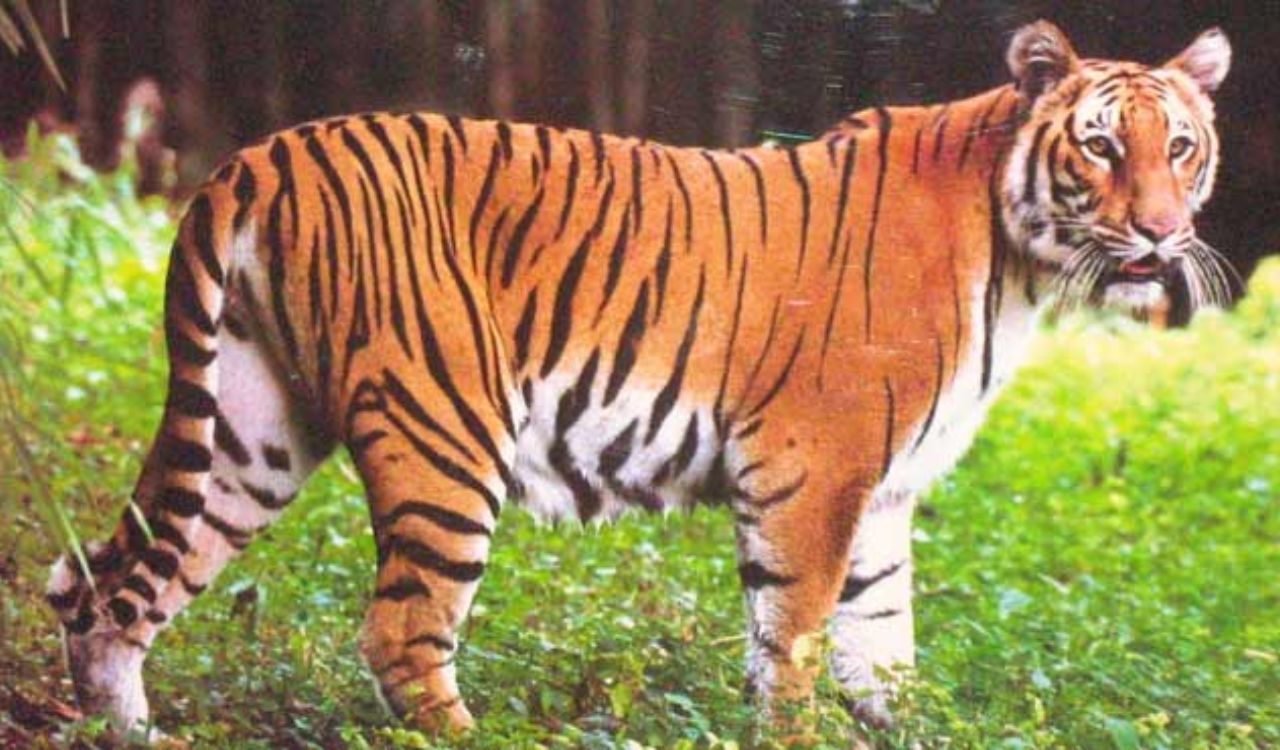
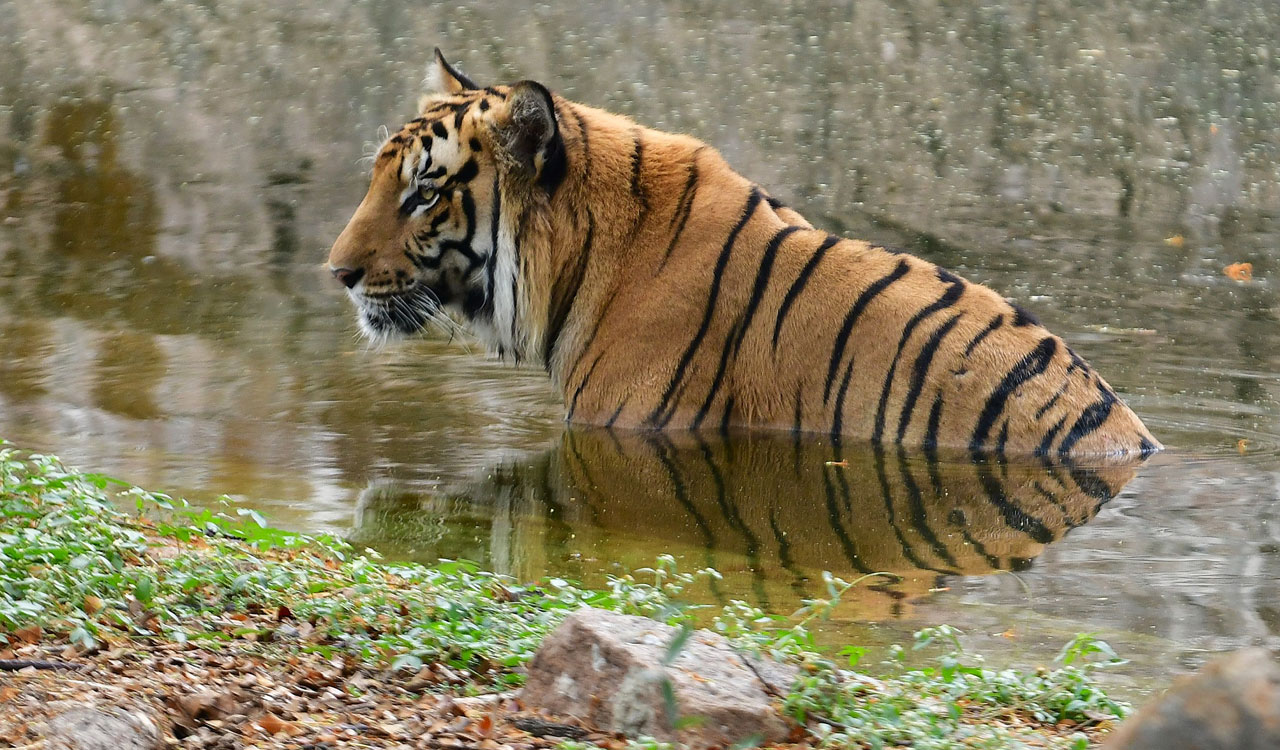
A Hyderabad-based CCMB study tracking tigers across five major Indian reserves found that human disturbance and tourism increase stress levels in tigers and affect breeding behaviour. Researchers recommended stricter regulation of safari vehicles, timings and tourism activities in core forest areas
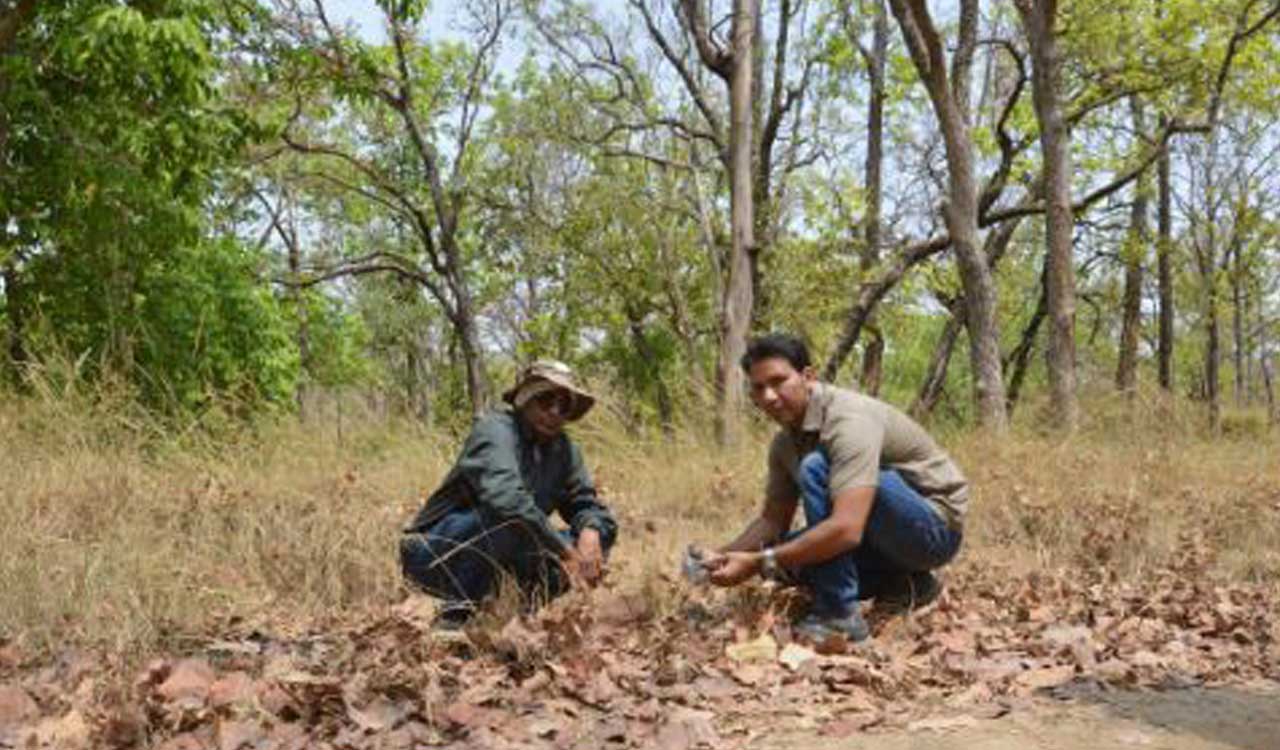


Hyderabad: For the first time in the country, Hyderabad-based scientists tracked tigers across different parts of India through four seasons over two years to systematically assess how human activities affect tiger breeding and well-being.
The groundbreaking study across five major tiger reserves in the country made a scientific case for regulating tourism, including vehicle numbers, safari timings, road density and the protection of breeding areas.
The research, led by chief scientist Dr G Umapathy of the Hyderabad-based Centre for Cellular and Molecular Biology (CCMB) and published in the prestigious Zoological Society of London journal Animal Conservation (May 2026), found that tigers ranging close to tourism roads and in areas with greater human disturbance consistently showed elevated stress hormone levels.
The research is the first to combine non-invasive stress and reproductive hormone analyses from tigers across five major Indian tiger reserves, including Corbett (Uttarakhand), Tadoba-Andhari (Maharashtra), Kanha and Bandhavgarh (Madhya Pradesh), and Periyar (Kerala).
The team analysed 610 genetically confirmed tiger scat samples, including 291 females and 185 males, collected between 2020 and 2023. They measured two key hormone markers in these samples: faecal glucocorticoid metabolites (a biomarker of stress) and faecal progesterone metabolites (an indicator of breeding activity in females).
A particularly striking finding was that tigers in the strictly protected core zones showed a higher stress response to human-caused disturbance than those in the multi-use buffer zones. Buffer-zone tigers appeared to have habituated to year-round human presence, whereas core-zone tigers registered sharp spikes in stress when seasonal tourism entered these areas.
“Tigresses prefer to breed in quiet parts of forests. However, finding such suitable areas is becoming difficult. Not only is the reproductive success of tigers lower under stress, but the young ones will also grow up differently in such conditions. It is concerning if the core areas of forests also become stressful for tigresses,” said Dr Umapathy.
The study suggested key management recommendations, including strict regulation of tourist vehicle numbers, prevention of vehicle crowding at tiger sightings, and reduction of safari duration by approximately one hour in both morning and evening sessions, among others.
CCMB Director Dr Vinay Nandicoori said the study is a fine example of how molecular biology and physiology can be directly applied to one of India’s most important conservation priorities.

Related News
-

Kawal Tiger Reserve hosts nature walk to promote wildlife conservation
-
Dehing Patkai home to 165 butterfly species, including 37 endangered ones: Sarma
-
Elephant habitats, corridors being systematically destroyed, will to preserve absent: Ramesh
-
Translocated tiger released into open forest recently in Rajasthan adapts to the wild