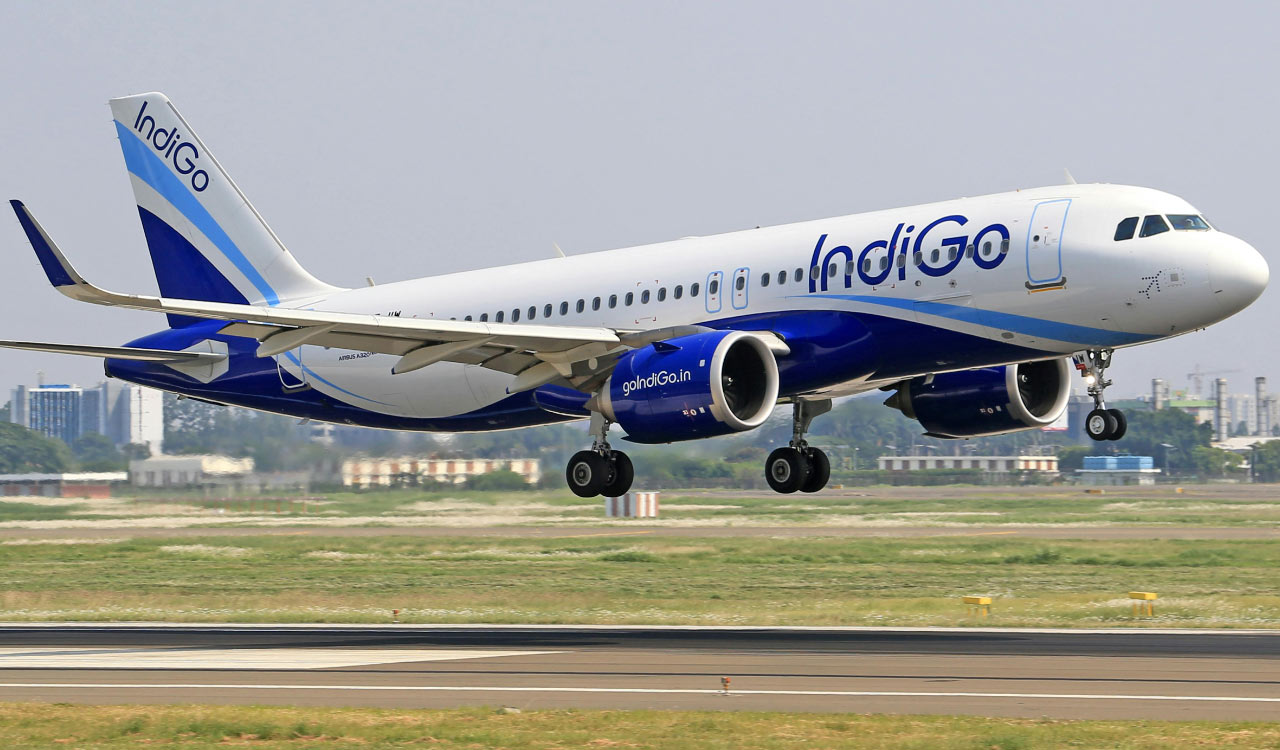
IndiGo’s chaos exposes a larger truth: When monopoly enters public infrastructure, the public always pays
If India wants to avoid replaying IndiGo turmoil across sectors, it must ensure no company should ever reach a scale where its failure becomes a national crisis


By Anurag Reddy Nayini
There’s a moment every traveller remembers from the past week. From packed terminals, serpentine queues, families sleeping against pillars, to departure boards bleeding red with cancellations. What looked like a sudden, mysterious collapse at IndiGo wasn’t just another operational hiccup. It was a reminder of a bigger risk India has quietly allowed to grow, the concentration of essential public-facing infrastructure in the hands of a single, dominant player.
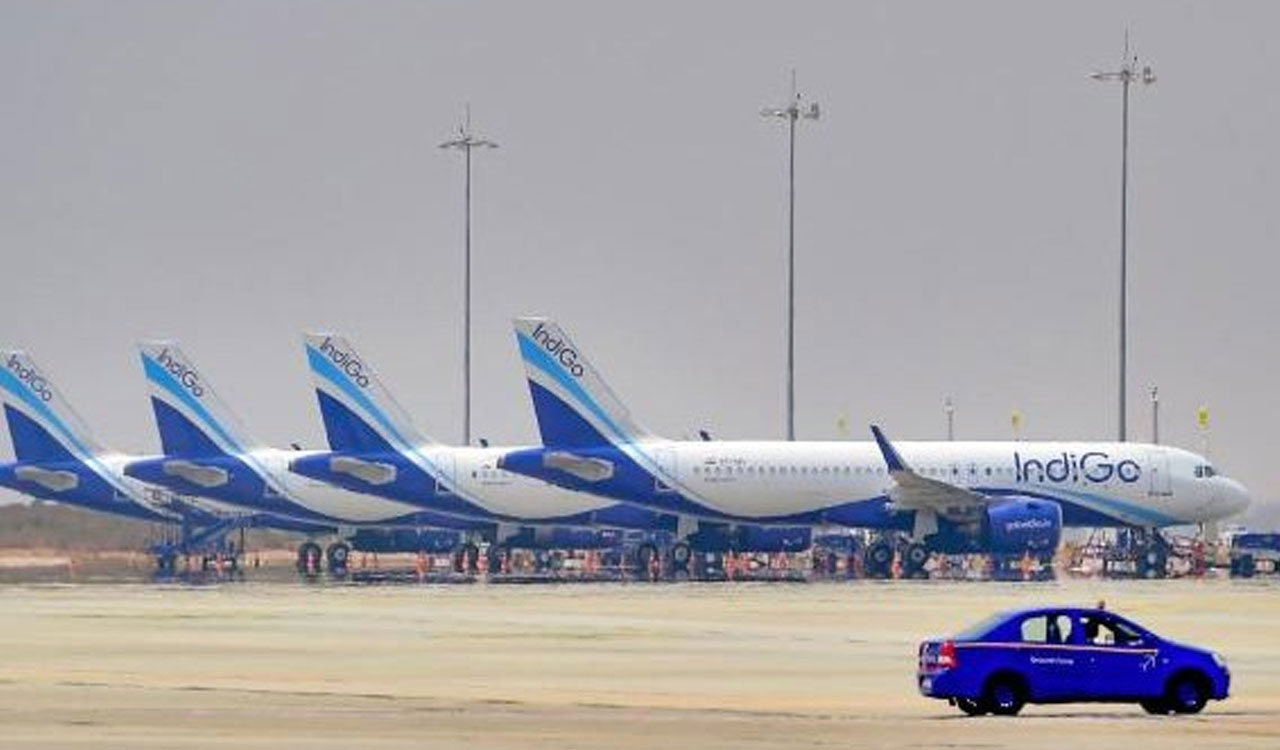
Here’s the thing. IndiGo didn’t just have a bad day. It had a systemic failure at a scale only possible when one airline controls roughly six out of every ten seats in the sky. At the worst point, its on-time performance sank to levels that would normally trigger a market selloff and a political storm. Instead, the markets barely blinked, and within days the regulator softened rules it was preparing to enforce more strictly. You don’t see this combination often: chaos on the ground and calm in the capital markets. That mismatch tells its own story.
Hard Questions
The sequence that raises hard questions. The DGCA’s updated pilot-rest rules were designed to reduce fatigue, a basic safety requirement in a country with rapidly growing air traffic. These rules weren’t sudden. They were phased, consulted and signalled months in advance. And yet, as enforcement approached, IndiGo began cancelling flights in volumes too large to chalk up to just “weather” or “fog.” Then came the most telling moment: within days of the chaos peaking, the DGCA granted exemptions, giving IndiGo breathing room until 2026. The chaos began to ease almost immediately.
Whether one believes this was misplanning, miscalculation, or a hardball tactic is secondary to a bigger truth, India’s aviation system is vulnerable because it is concentrated. When one company hits turbulence, the entire country gets dragged into the storm.
When scale becomes leverage, passengers lose agency. A giant with 60 per cent market share doesn’t need to shout to be heard. Its disruption is the message. Every cancelled flight amplifies its negotiating power. Every stranded passenger becomes indirect pressure on the regulator. And this is where we must step back and ask the bigger policy question: Should any critical public-interfacing sector be allowed to reach a level of dominance where one company’s failure, deliberate or accidental, can paralyse the whole system?
No Lessons Learned
The answer is obvious, yet India keeps repeating the same mistake.
We’ve seen this play out in other sectors. Airlines aren’t the only example. Look at what happens when any essential service slips into a de facto monopoly:
- Airports
Privatised airports with monopolistic control can set tariffs and rentals that ripple into the cost of flying for everyone. When one entity owns the largest terminals, airlines have little bargaining power; passengers have none.
- Ports
Ports decide how fast and how cheaply India moves goods in and out of the country. When one operator starts dominating major terminals, the entire trade ecosystem tilts. Exporters lose room to negotiate, import costs quietly rise, and even a brief disruption can throw supply chains off balance. It’s the same story: once competition fades, everyone downstream pays the price.
- Electricity distribution
A single discom failing to maintain network resilience leads to outages affecting millions. Consumers can’t switch providers. Accountability vanishes the moment competition does.
- Telecom
A market with two-and-a-half major players means tariffs rise quietly, quality plateaus, and consumers pay more for less. Market concentration chokes innovation long before it becomes visible to the public.
In each case, the pattern is the same. When the market shrinks to a handful of dominant players, regulation stops being a safeguard and becomes a bargaining chip.
Monopoly + essential services = a silent national vulnerability. IndiGo’s rough week didn’t expose incompetence alone. It exposed design flaws in our policy thinking. When a sector directly affecting tens of thousands every hour is allowed to tilt this heavily towards one player, the balance of power shifts.
The regulator should be the final authority, but the regulator also knows that grounding or punishing the giant could paralyse the entire network. That is not regulation. That is hostage management. India needs a new doctrine for public-facing sectors, competition as protection. Competition is not ideology. It is the simplest form of public safety.
If India wants to avoid replaying this crisis across airports, airlines, power distribution, logistics, mobile networks or digital platforms, the principle must be clear: No single company should ever reach a scale where its failure becomes a national crisis.
This isn’t anti-business. It’s pro-consumer, pro-safety and pro-stability.
The Final Question
IndiGo may recover in days. Passengers already have. The regulator will issue explanations. But the central question remains: Are we comfortable living in a country where one company’s misestimations, miscalculations, or strategic choices can hold the entire aviation system hostage? If the answer is no, then India must rethink not just what happened this week, but what it has allowed to happen over the last decade.
This article is not about IndiGo alone. It is about what the IndiGo episode symbolises. When a monopoly enters the bloodstream of public life, the first thing citizens lose is choice. The next thing they lose is dignity. And the last thing they lose, always, is safety.

(The author is an MBA graduate, entrepreneur, and policy enthusiast working to highlight governance gaps & public grievances)

Related News