Intense heat can make us age faster: Study
As the climate heats up, humans will be exposed to more and more heat – and our bodies will respond to these stresses by ageing faster
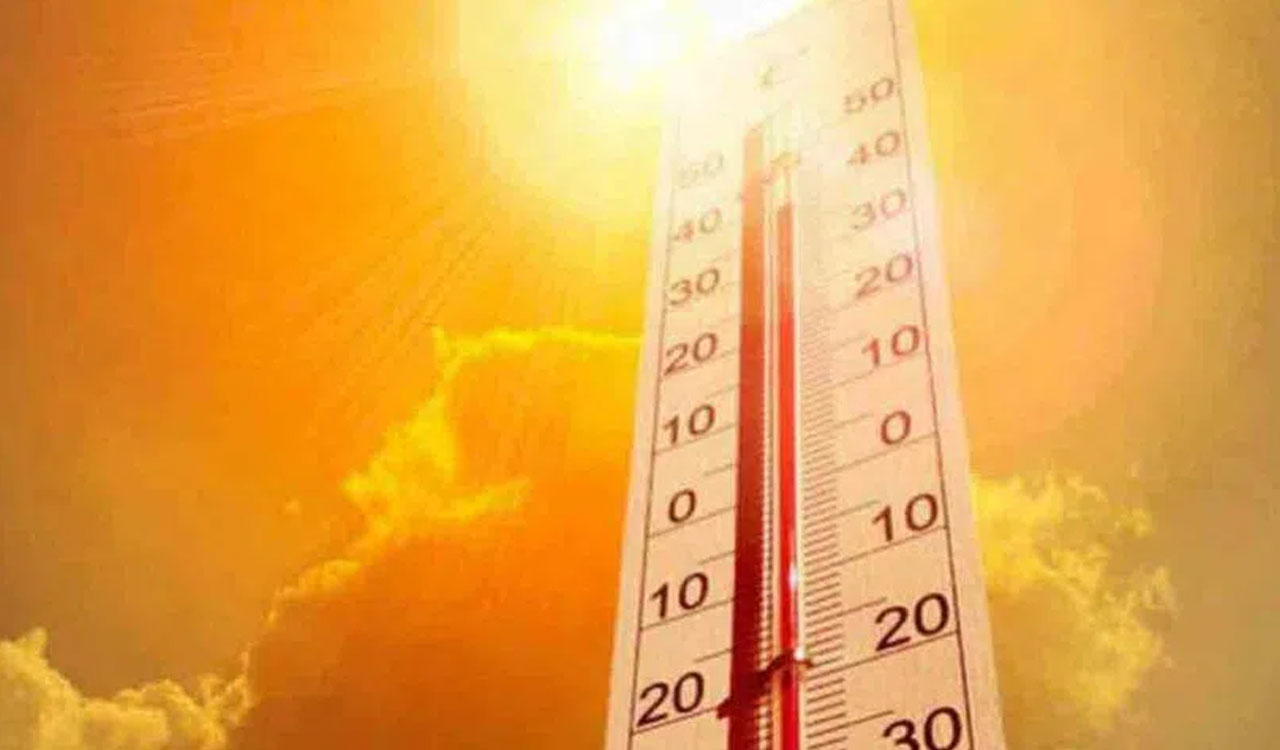


Melbourne: Heat takes it out of you. After a long, hot day, we feel tired and grumpy.
But sustained periods of heat do more than that – they age us faster. Cumulative heat stress changes our epigenetics – how our cells turn on or off gene switches in response to environmental pressure.
Now, new research from the United States explores the pressing question of how extreme heat affects humans. The findings are concerning. The more days of intense heat a participant endured, the faster they aged. Longer periods of extreme heat accelerated ageing in older people by more than two years.
As the climate heats up, humans will be exposed to more and more heat – and our bodies will respond to these stresses by ageing faster. These findings are especially pertinent to Australia, where heatwaves are expected to become more frequent and intense in a warmer world.
How, exactly, does heat age us?
Ageing is natural. But the rate of ageing varies from human to human. As we go through life, our bodies are affected by stresses and shocks. For instance, if we don’t get enough sleep over a long period, we will age faster.
While heat can directly sicken or kill us, it also has a long tail. Sustained heat stresses our bodies and make them less efficient at doing the many jobs needed to stay alive. This is what we mean when we say it accelerates biological ageing. This deterioration is likely to precede the later development of diseases and disabilities.
What does that look like on a genetic level? You might think your genes don’t change over your life, and this is mostly true (apart from random mutations).
But what does change is how your genes are expressed. That is, while your DNA stays the same, your cells can switch some of its thousands of genes off or on in response to stresses. At any one time, only a fraction of the genes in any cell are turned on – meaning they are busy making proteins.
This is known as epigenetics. The most common and best understood pathway here is called DNA methylation (DNAm).
Methylation here refers to a chemical our cells can use to block a DNA sequence from activating and producing proteins with various functions.
Cellular changes in DNAm can lead to proteins being produced more or less, which in turn can flow on to affect physiological functions and our health status. This can be both bad or good.
Heat stress can alter the pattern of which genes are turned off or on, which in turn can affect our rate of ageing.
Severe heat stress can be remembered in cells, leading them to change their DNAm patterns over time. In laboratory testing, the effect is pronounced in fish, chickens, guinea pigs and mice.
To date, much research on how heat affects epigenetics has focused on animals and plants. Here, the evidence is clear – even a single episode of extreme heat has been shown to have a long-lasting effect on mice.
But only a couple of studies have been done involving humans, and they have been limited. This is the gap this new research is intended to help fill.
What did the study find?
The study by researchers at the University of Southern California involved almost 3,700 people, with an average age of 68 years.
Heat affects older people more than younger people. Our ability to control our body temperature drops as we age, and we are less resilient to outside stresses and shocks. We also know periods of extreme heat trigger a wave of illness and death, especially among older people.
The study set out to better understand what happens to human bodies at a biological level when they’re exposed to intense heat over the short, medium and longer term.
To do this, the researchers took blood samples and measured epigenetic changes at thousands of sites across the genome, which were used to calculate three clocks measuring biological age, named PcPhenoAge, PCGrimAge and DunedinPACE.
Then, they looked at the levels of heat each participant would have been exposed in their geographic areas over the preceding six years, which was 2010–16.
They used the US heat index to assess heat, from caution (days up to 32 degrees Celsius), extreme caution (32–39 degrees Celsius) and danger (39–51 degrees Celsius).
They used regression modelling to see how much faster people were ageing over the normal rate of ageing.
The effect of heat was clear in the three biological clocks. Longer term exposure to intense heat increased biological age by 2.48 years over the six year period of the study according to PCPhenoAge, 1.09 years according to PCGrimAge and 0.05 years according to DunedinPACE.
Over the period of the study, the effect was up to 2.48 years faster than normal ageing, where one calendar year equals one biological year of ageing. That is, rather than their bodies ageing the equivalent of six years over a six year period, heat could have aged their bodies up to 8.48 years.
Importantly, the biological clocks differ quite substantially and we don’t yet know why. The authors suggest the PCPhenoAge clock may capture a broader spectrum of biological ageing, covering both short term and longer term heat stress, while the other two may be more sensitive to long term heat exposure.
The way these researchers have conducted their study gives us confidence in their findings – the study sample was large and representative, and the use of the heat index rather than air temperature is an improvement over previous studies. However, the findings don’t account for whether the participants had airconditioning in their homes or spent much time outside.

Related News