Opinion: How healthy is India? Key insights from NFHS-6
An ageing population, falling fertility, and rising obesity are reshaping India’s health landscape, demanding structural upgrades to the country’s healthcare infrastructure


By Satyaki Dasgupta, Neeraj Kumar
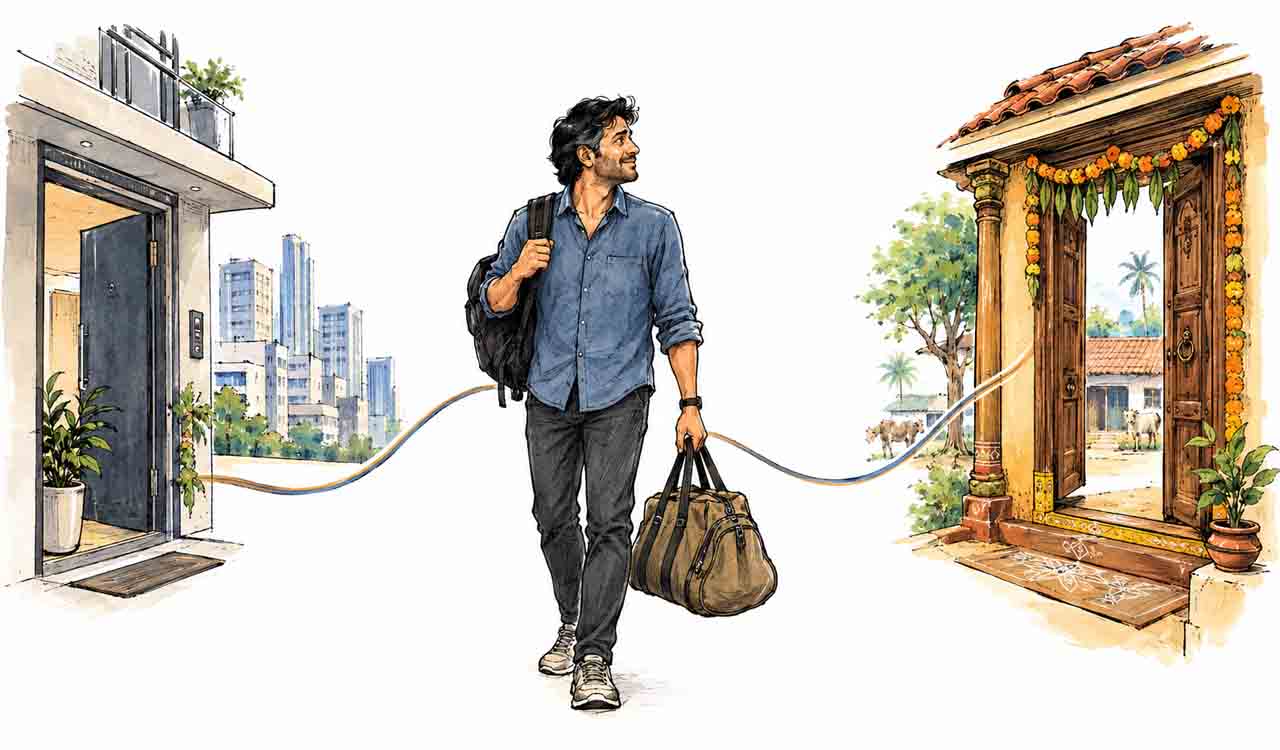
India is actively transitioning from being a young country, as the percentage of the population aged 60 and above has increased from 11.8% to 12.9%. Kerala has the highest elderly population at 20.7%. The phenomenon in Kerala has been noted by demographers, where it has been referred to as the “grey state” because of its rapid transition. Kerala has seen a heavy out-migration of its youth, which has led to households where elderly parents stay back.
Also Read
This has prompted the newly elected government to announce the formation of a Department for the Elderly to oversee the welfare of the aged. While Kerala typically dominates the conversation on ageing, West Bengal has entered an advanced demographic transition, recording the highest surge as its elderly population jumped from 10.9% to 14.1%.
Total Fertility Rate
Alongside ageing, it is also important to note the total fertility rate (TFR) to get the complete picture of the demography of a place. A high TFR creates a wide base of children, and can bring down the average age of the population even when life expectancy increases.
A TFR of 2.1 is generally considered the replacement rate, where a population can stabilise. The Indian TFR stayed constant at 2 from 2019-21 to 2023-24. It has fallen or stayed constant in almost all the States. Only Chhattisgarh, Andhra Pradesh, Madhya Pradesh, Maharashtra, Nagaland, Rajasthan, and Telangana saw a mild increase in TFR. The highest TFR is recorded in Bihar, although it has also seen a decline from 3 to 2.7.
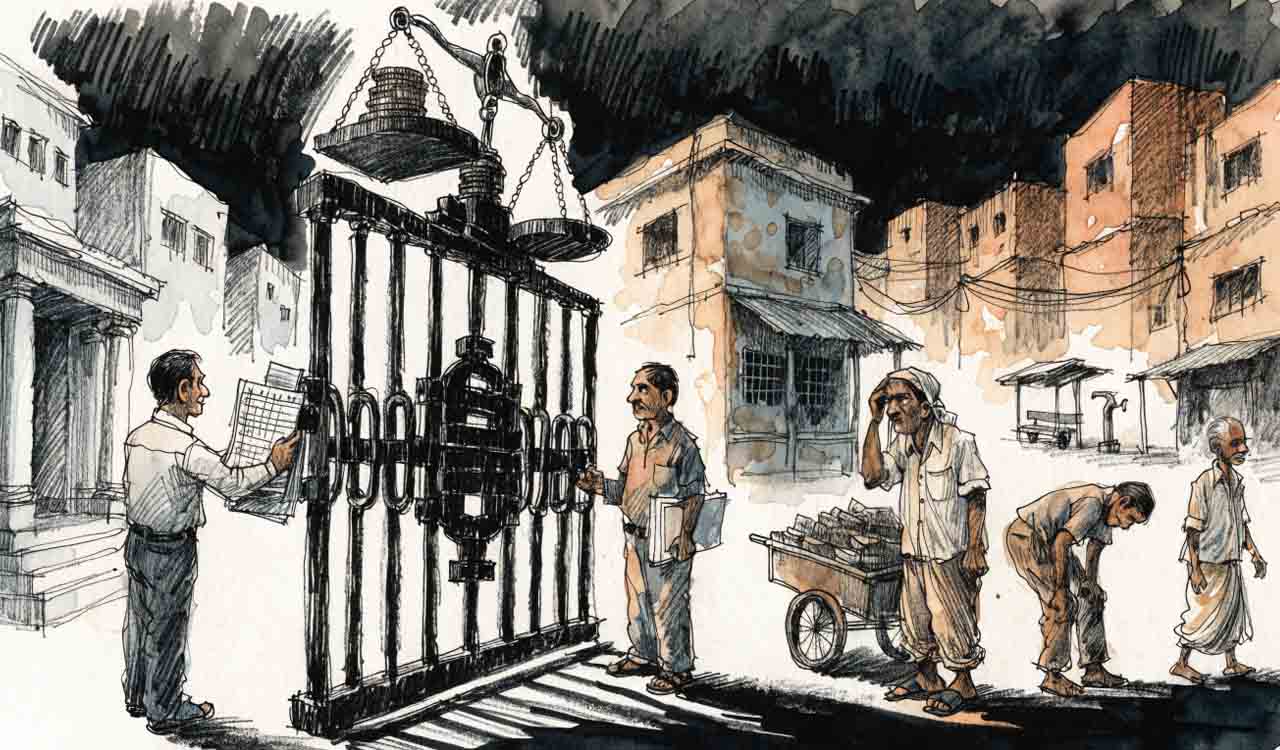
India is seeing a falling TFR along with an increasing elderly population. Unlike Western and East Asian countries that aged after becoming high-income countries, India is experiencing the same while still at a lower-middle-income level. India may not have sufficient infrastructure to handle this demographic shift, as standard primary health centres are not equipped for multi-morbidity geriatric care, and most of the elderly population relies on very low state welfare pensions for financial support.
NFHS Data
To examine the overall well-being of the population, we explore the percentage of mothers who received an antenatal check-up in the first trimester. The national figures have increased from 70% in National Family Health Survey (NFHS)-5 to 76.2% in NFHS-6. The highest increase happened in Goa from 70.3% to 92.1%, the highest in the country, followed by Maharashtra. Kerala, however, recorded a sharp decline in this number from 93.6% to 85.5%, followed by Odisha, which saw a fall by 6.3%. Bihar has a low number at 63.9%, although it has increased from 52.9%.
Similarly, we can also explore the percentage of mothers who consumed iron and folic acid for 100 days or more during pregnancy. While the national figures increased from 44.1% to 54.9%, the highest such increase was seen in Sikkim, followed by Karnataka. Bihar has the lowest figure at 21.9%, while Kerala has the highest at 92.6%.
India is ageing while still at a lower-middle income level, putting pressure on inadequate health infrastructure and low state welfare pensions, leaving the elderly increasingly vulnerable
The national percentage of children under 5 years who are underweight has fallen from 32.1% to 31.8%. The cases of Jharkhand and Madhya Pradesh are especially distressing because they have the highest in the country at 41.1% and 39.7%, respectively, and have also recorded an increase in this number. While the number for Bihar and Gujarat is also quite high at 35.7% and 35.5%, these States have seen a decline. Although Jharkhand is mineral-rich, its population experiences high rates of multidimensional poverty.
A report mentions that household food security is often limited to basic calorie intake rather than nutritional diversity. Another report states that in various rural pockets, the critical practice of exclusive breastfeeding for the first six months is frequently replaced by diluted packaged milk powder. Madhya Pradesh has also recorded severe stunting and malnutrition among children.
Rise in Obesity
According to a UNICEF report, India is witnessing a rapid rise in overweight and obesity across all age groups. Studies have shown that while undernutrition has been falling, adult overweight/obesity has been increasing rapidly. There has been an increase in the percentage of women who are overweight or obese from 24% to 30.7%.
India is currently in the middle of a double burden of malnutrition where overweight/obesity coexists with undernutrition. The availability of cheaper, processed food that is generally low in nutrients but high in fats and sugar has penetrated both urban and rural areas, contributing to these outcomes.
The growing double burden of malnutrition is not only a public health concern but also a financial risk for families. In this context, health insurance becomes increasingly important, especially when medical inflation is rising faster than general inflation and out-of-pocket health expenditure can push vulnerable households into financial distress.
The overall figure for health insurance coverage in the country has improved from 41% to 60.2%. Haryana’s figure has improved from 25.7% to 68.3%. The Chirayu Ayushman Haryana Scheme expanded the reach of the national Ayushman Bharat and may be responsible for this spike.
The biggest jump in this percentage during this period has happened in West Bengal. The figures increased from 33.7% to 88.2%. Notably, West Bengal opted out of the Ayushman Bharat scheme because it already had a comprehensive State-funded scheme. The Swasthya Sathi Scheme was the universal health insurance programme which provided health insurance coverage, where the premium was completely borne by the State government. This may be responsible for the increase in health insurance coverage in West Bengal.
The worst-performing State in this aspect is Bihar, with a coverage of 21.2%, with a slight increase of 3.7%. According to a report, hospitals empanelled under the Ayushman Bharat scheme in Bihar have been awaiting reimbursement of crores of rupees for months.
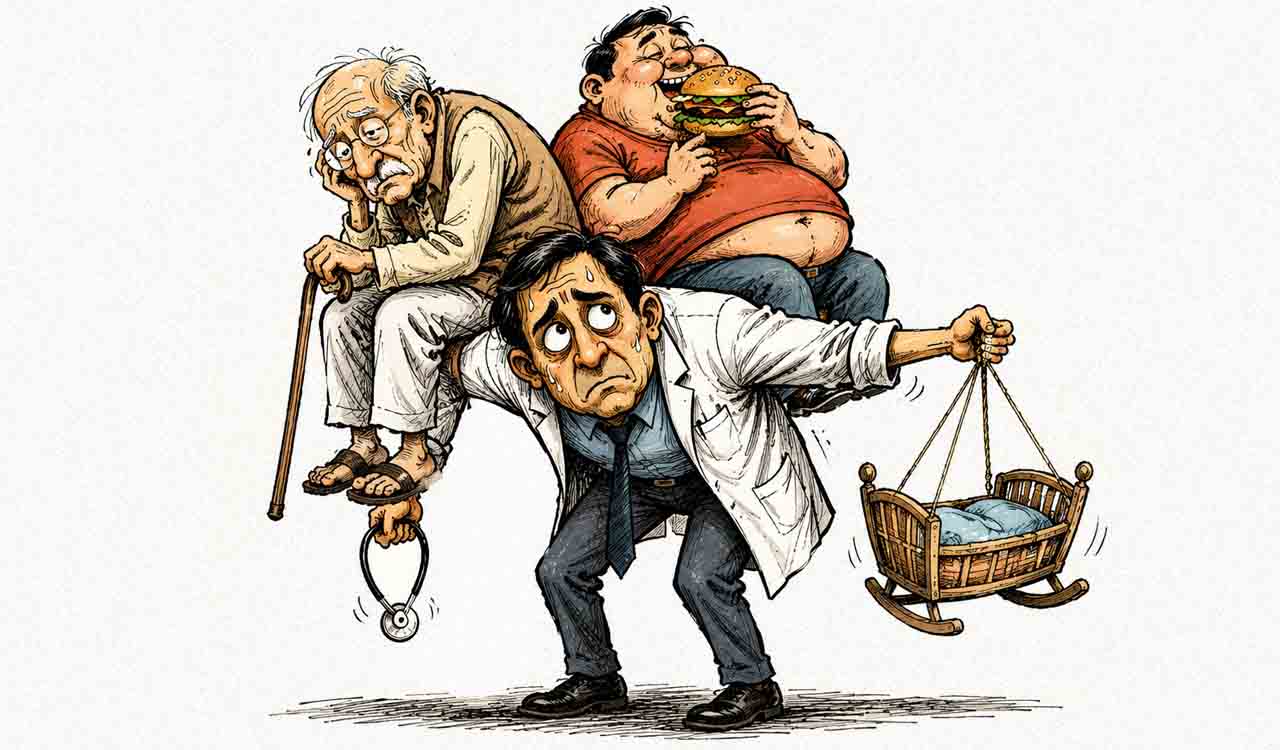
The demographic and health landscape has been shifting in India. An increasing elderly population, falling fertility, and a shift from undernutrition to rising obesity demand a structural upgrading of the health infrastructure of the country.
(The authors are faculty members of the Department of Economics, Christ University, Bengaluru)

Related News