Iron-deficiency anaemia in Indian women and children
Nutritional anemia due to iron deficiency is the most common cause of anaemia.


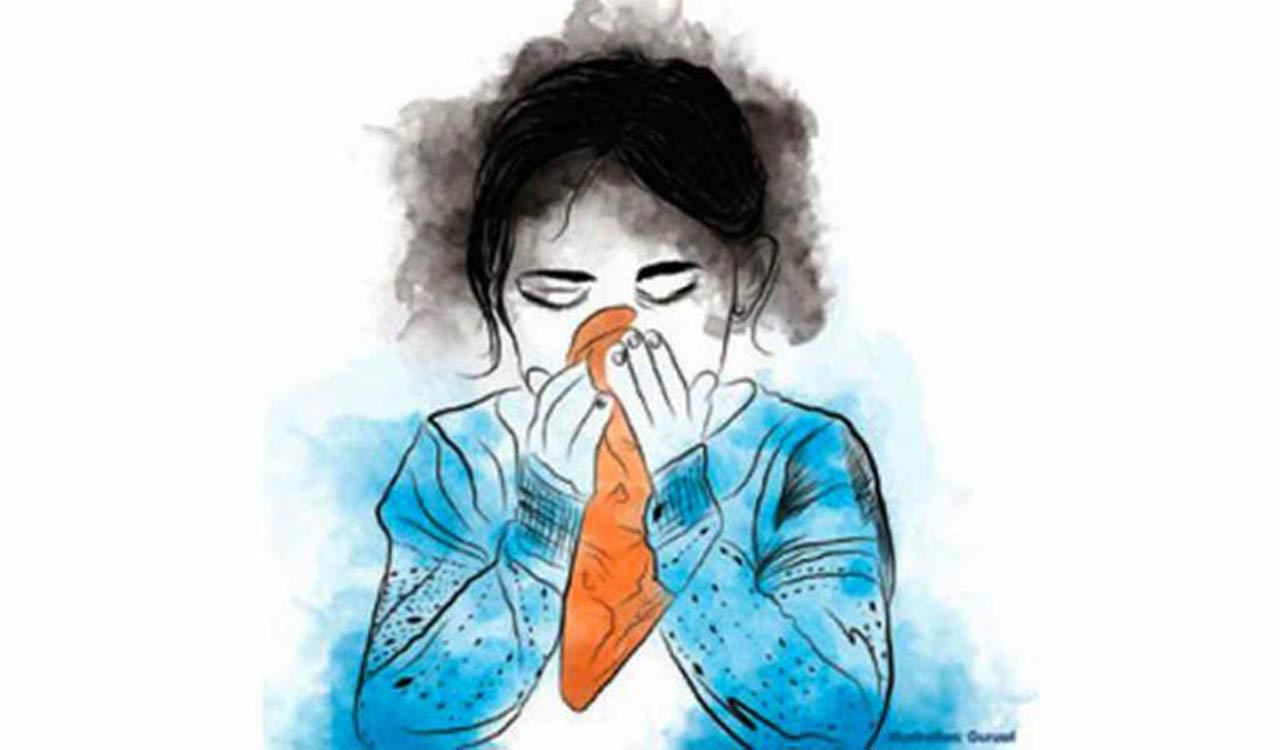
New Delhi: According to the National Family Health Survey, in India, more than 50 per cent of children, women of reproductive age, and pregnant women suffer from anemia, making it a large-scale public health problem.
A research study in the Indian Journal of Public Health says that while anemia is a global health problem in both developed and developing countries, children and pregnant women from poor socioeconomic status are more vulnerable to it. Nutritional anemia due to iron deficiency is the most common cause of anaemia.
“50 per cent of anaemia worldwide is due to iron deficiency. The leading causes of iron deficiency anaemia (IDA) in children is: Low iron stores at birth due to high levels of maternal anaemia; Inappropriate feeding practices – lack of diversity and iron-rich food in complementary foods and feeding; Inadequate quantity of iron and iron enhancers (like vitamin C rich foods) in the diet along with low bioavailability of dietary iron; and Iron loss due to parasitic infestations like intestinal worms, malaria.
“Iron deficiency anaemia in women is mainly due to: Inadequate quantity of iron and iron enhancers (like vitamin C rich foods) in the diet along with low bioavailability of dietary iron; Iron loss during menstruation and childbirth; The physiological requirements of iron are higher in women during pregnancy and lactating period; Poor iron stores due to childhood deficiency; Teenage pregnancy and frequent pregnancies (interval of <2 years); Iron loss due to parasitic infestations like intestinal worms, malaria; and Poor compliance to prophylactic iron supplements during periods of enhanced need like pregnancy, lactating period, adolescence,” Dr Sebanti Ghosh – Country Program Director, Alive and Thrive, FHI360 told IANSlife.
The iron & folic acid (IFA) supplementation programme was introduced in India in 1970s, but was given importance only since 2018, under Anemia Mukt Bharat and POSHAN Abhiyaan, says an expert.
“At state level, measures have been intensified and efforts are directed at improving supply and consumption. I understand the progress was good (prior to COVID) and schools closing. The strategy is correct and should make a difference if well implemented. The effort being made for streamlining IFA supply, creating demand for IFA, monitoring IFA consumption and promoting diversified balanced diet and fortified food is a very high priority of public health nutrition programme,” Dr. Sheila Vir, Founder Director of the Public Health Nutrition Centre said.
For achieving the target, we need to go beyond free supply of IFA or fortified food by government. Children, adolescent and women who do not attend government schools or health system are deprived of any inputs or information, Anaemia affects all socio-economic status persons. Investment in social marketing of weekly IFA supplements (WIFS) to women of reproductive age who have the resources to purchase low-cost IFA supplements needs to be introduced. Diet measures will take longer and need to realistically promoted, she says.
Various strategies have been adopted to combat nutritional anemia in India which includes dietary diversification, food fortification, weekly iron and folic acid supplementation, improving infant and young child feeding practices, and promoting safe water, hygiene, and sanitation.
“Food diversification approach designed to increase micro nutrient intake through diet represents the most desirable and sustainable method for preventing micronutrient malnutrition. Foods of vegetable origin are the main source of iron in diets of majority of Indian people.
“The Indian diets are primarily derived from cereals, pulses and vegetables and contain approximately 7 mg of iron per 1000 kcal. Bio availability of iron from the plant based sources is low (5% in men and children and 8% in women) due to presence of inhibitory factors such as phytates, polyphenols, tannins and oxalates. Although heme iron derived from animal sources is better absorbed than non-heme iron derived from plant sources, whole cereals, whole pulses, and vegetables, particularly green leafy vegetables (GLVs), contribute to a significant intake of dietary iron in Indian diets. Poor bio availability of iron from non-heme sources) and increased bioavailability from heme sources needs to be balanced,” Dr. Kapil Yadav – Additional Professor, Centre for Community Medicine, AIIMS told IANSlife.
According to Dr. Praveen Kumar, Director Professor, Department of Pediatrics, Lady Hardinge Medical College and Associated Kalawati Saran Children’s Hospital – New Delhi, “Lack of consumption of iron rich food items, low bioavailability of dietary iron, lack of consumption of iron enhancers like vitamin c rich foods and excessive intake of tea/coffee are important dietary factors contributing nutritional anemia Improvement in dietary diversity will also increase consumption of iron, vitamin B12, folate and other micronutrients and thus will help in eliminating nutritional causes of anemia.”

Related News