Jangaon records 28 pc rainfall deficit; paddy yield drops amid dry spell: Collector
Jangaon district has recorded a 28 per cent rainfall deficit, receiving 522 mm rainfall against the long-term average of 727.8 mm, with seven of its 12 mandals facing a shortfall. District Collector Sandeep Kumar Jha said the prolonged dry spell has affected crop yields, particularly paddy and maize.
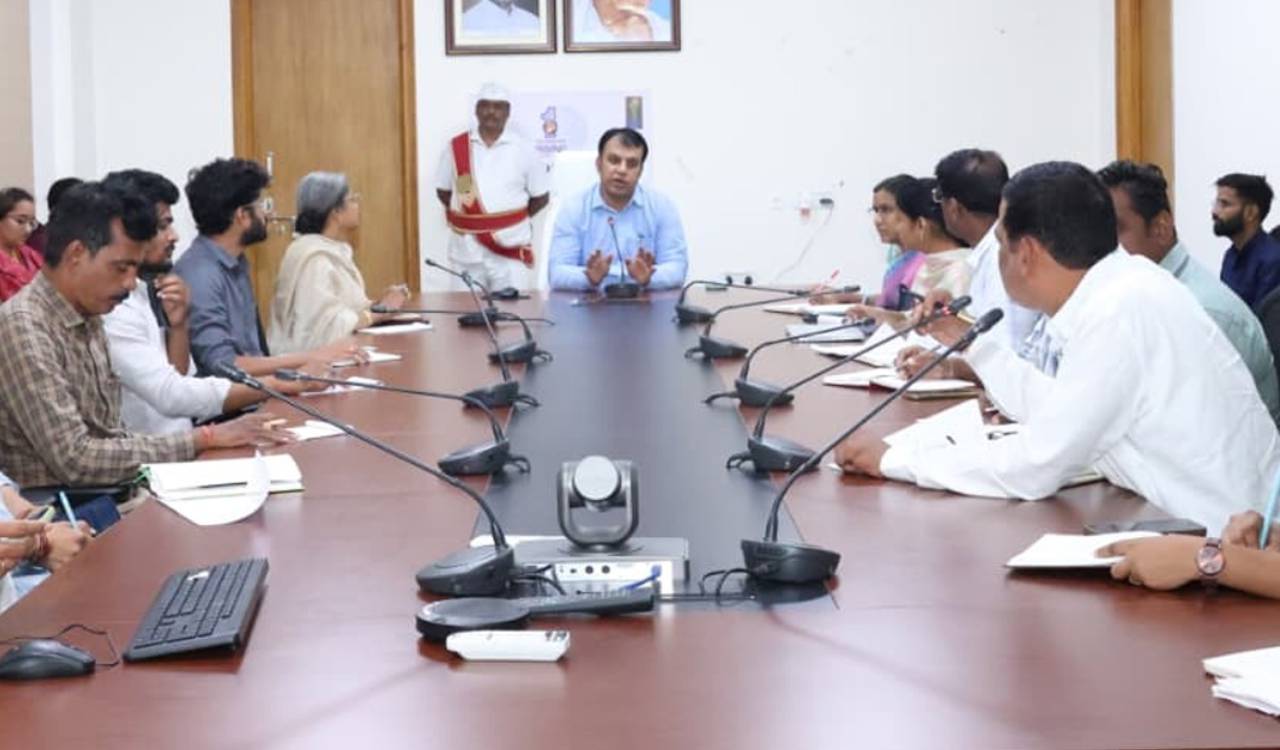


Jangaon: District Collector Sandeep Kumar Jha informed that the district has recorded 522 millimeters of rainfall as of October 17 against a long-term average rainfall of 727.8 millimeters and is currently facing a 28 percent rainfall deficit.
Of the 12 mandals, seven in the district are experiencing a rainfall deficit, with Raghunathapalli mandal recording the highest shortfall at 52 percent; this mandal has seen no rainfall for six consecutive weeks, he noted.
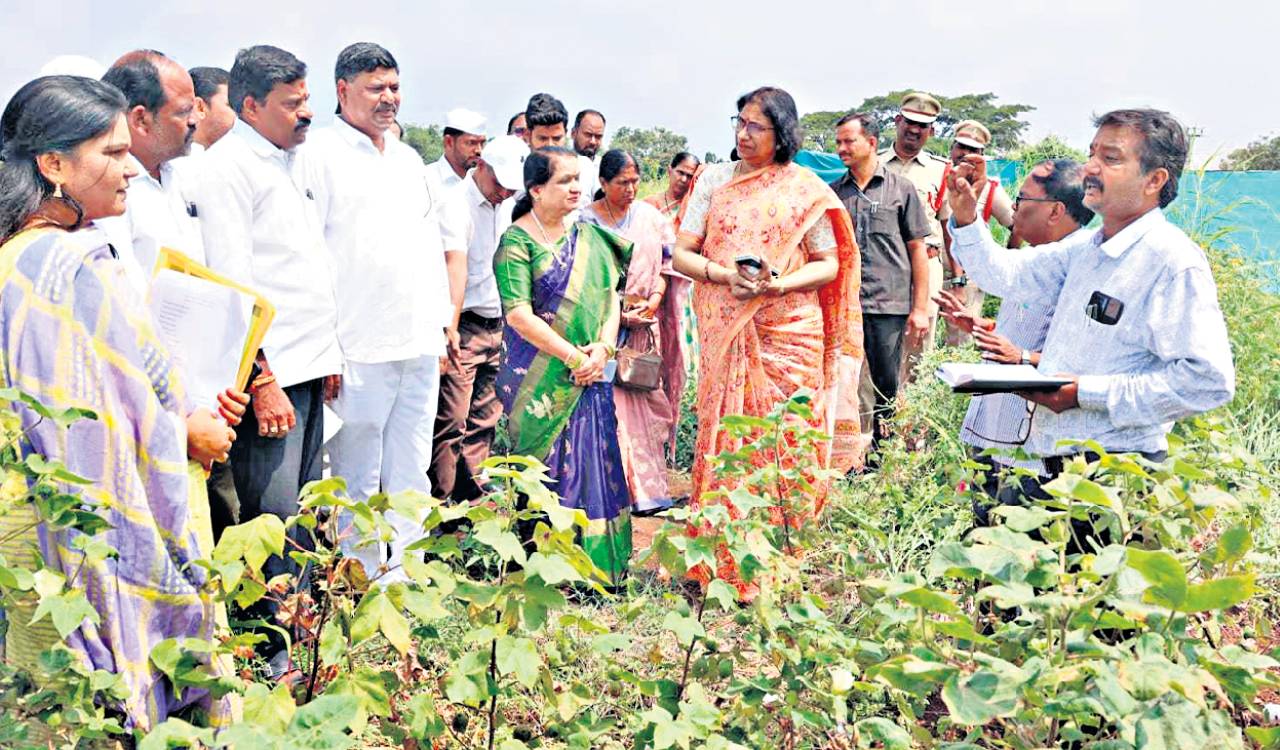
The Collector revealed this during a video conference with the Special Officer for the composite Warangal district and Secretary of the Municipal Administration Department Dr. TK Sridevi on Saturday.
While the typical area under paddy cultivation in the district is 3.75 lakh acres, the current net cultivated area stands at 3.33 lakh acres. Agriculture officials made efforts to reduce the area under paddy cultivation; the initial projection for paddy cultivation, set at 2.10 lakh acres, has been reduced by 60,000 acres.
Currently, the district has 1.54 lakh acres under paddy, 1.38 lakh acres under cotton, and 20,000 acres under pigeon pea (red gram) cultivation. Due to insufficient rainfall, crops in some areas are withering at an early stage, adversely affecting yields, Jha noted.
Typically, the yield for paddy is expected to be 6.25 metric tonnes per acre, but currently, only about 4 metric tonnes are being produced. Similarly, while the standard yield for maize is 6.5 metric tonnes per acre, the current yield is recorded at 3.6 metric tonnes.
While 76 percent of the total cultivable land in the district has access to irrigation facilities, the remaining 24 percent is significantly affected by the lack of rainfall, the Collector noted.
During a review meeting on the cultivation plan for the Yasangi season later in the day, he advised officials to prepare a crop cultivation plan taking into account the rainfall deficit in the district, current water storage levels in reservoirs and the availability of groundwater.
For villages identified as problematic in terms of groundwater levels, a special action plan must be developed to encourage farmers to shift away from paddy cultivation toward alternative crops. The WALTA Act must be enforced to conserve groundwater, he added.

Related News