Kunal Kamra moves Supreme Court in case on MLAs’ privileges and free speech
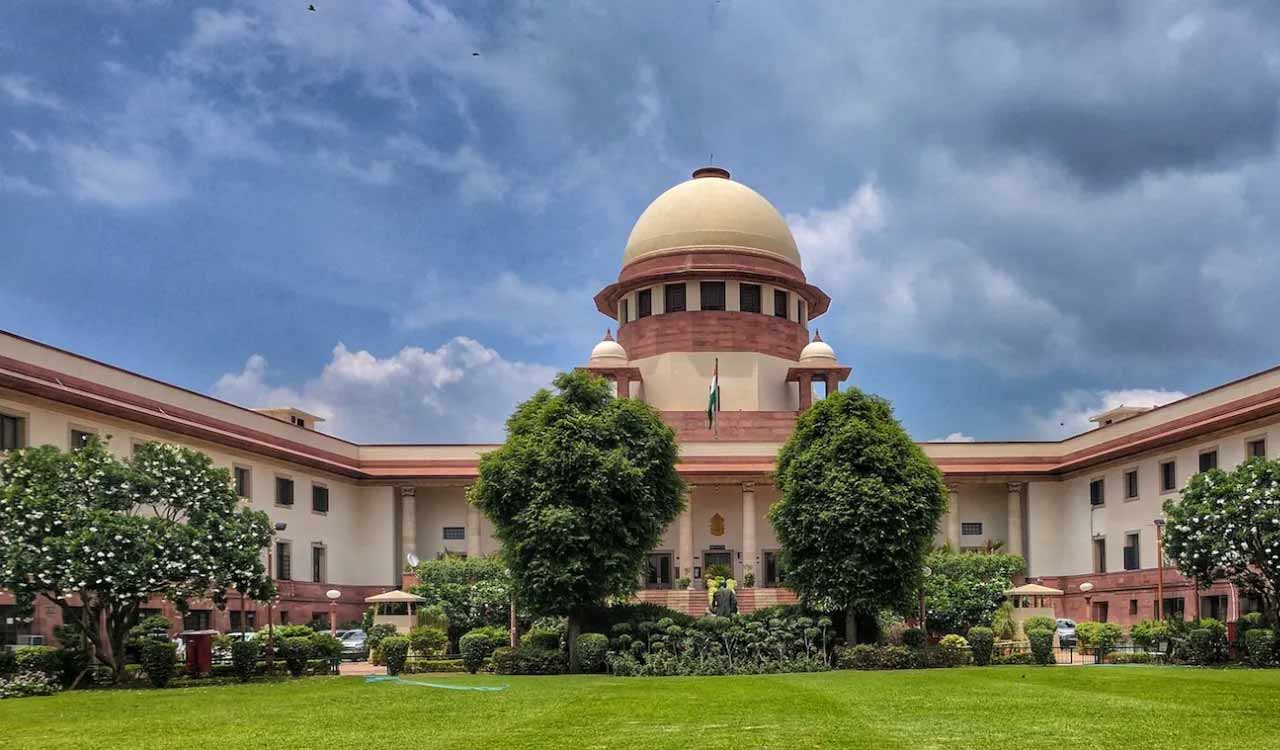
Stand-up comedian Kunal Kamra has moved the Supreme Court seeking to intervene in a case examining legislative privileges of MLAs and their relationship with freedom of speech. A seven-judge Constitution bench is scheduled to begin hearing the matter on October 6



New Delhi: Stand-up comedian Kunal Kamra has moved the Supreme Court seeking to intervene in a case concerning the interpretation of provisions related to the scope of legislative privileges of MLAs and their effect on freedom of speech and expression.
A seven-judge Constitution bench will commence hearing on October 6 on the interpretation of provisions related to the scope of legislative privileges of MLAs and their effect on freedom of speech and expression.
In his plea, the comedian submitted that he is directly affected by the questions of law before the top court because of the privilege proceedings pending against him in the Maharashtra Assembly over his stand-up comedy special “Naya Bharat”. Kamra submitted that the exercise of legislative privilege “to stifle” the speech of citizens strikes at the heart of democracy.
The stand-up comedy special kicked up a huge controversy over jokes targeting Maharashtra Deputy Chief Minister Eknath Shinde. BJP legislator Pravin Darekar had moved a breach of privilege notice against Kamra and Shiv Sena (UBT) spokesperson Sushma Andhare.
“The applicant believes that his case demonstrates that the exercise of legislative privileges affects not only the freedom of speech and expression of members of the press, but also of any citizen who wishes to speak about the actions of members of the legislature,” Kamra said in his plea.
The issue concerning the interpretation of provisions related to the scope of legislative privileges of MLAs and their interplay with the fundamental right to freedom of speech and expression was referred to a five-judge bench in December 2003.
“It is evident that substantial questions of law as to the interpretation of Articles 194(3), 19(1)(a), interplay between these two articles, Article 21 and also as to the interpretation of other provisions of the Constitution of India are involved,” the apex court had said in its December 8, 2003 order.
In December 2004, when the matter came up before the five-judge bench, it was informed about the conflicting views on the issue expressed by two separate benches.
The five-judge bench then recommended that the issue be placed before a seven-judge bench for authoritative determination.
One of the pleas — titled N Ravi and others versus Speaker, Legislative Assembly, Tamil Nadu — raises the question of whether fundamental rights override legislative privileges.
The case pertains to 2003, when journalist N Ravi and others approached the top court after Tamil Nadu Assembly Speaker K Kalimuthu ordered their arrest for alleged breach of privilege and contempt.
The top court had then stayed the arrest of six journalists and later referred the matter to a seven-judge bench in view of conflicting verdicts.
One of the judgments had held that fundamental rights should prevail, while the 1965 verdict said fundamental rights were subservient to parliamentary privileges.

Related News
-

Supreme Court clarifies legal route for complaints against elected candidates
-
NEET-PG 2026: Plea seeks permanent copies of question papers and response sheets
-
SC issues notice to ECI on Rahul Gandhi-led plea against Special Intensive Revision exercise
-
Internet shutdown during October 10 CJP protest was necessary: Centre to SC