LPG shortage hits food donation drives in Hyderabad, NGOs struggle to cope
The LPG cylinder shortage in Hyderabad is impacting NGOs running food donation drives, forcing them to adopt alternative cooking methods. Despite rising costs and growing demand, most organisations continue serving free meals to the underprivileged across the city.
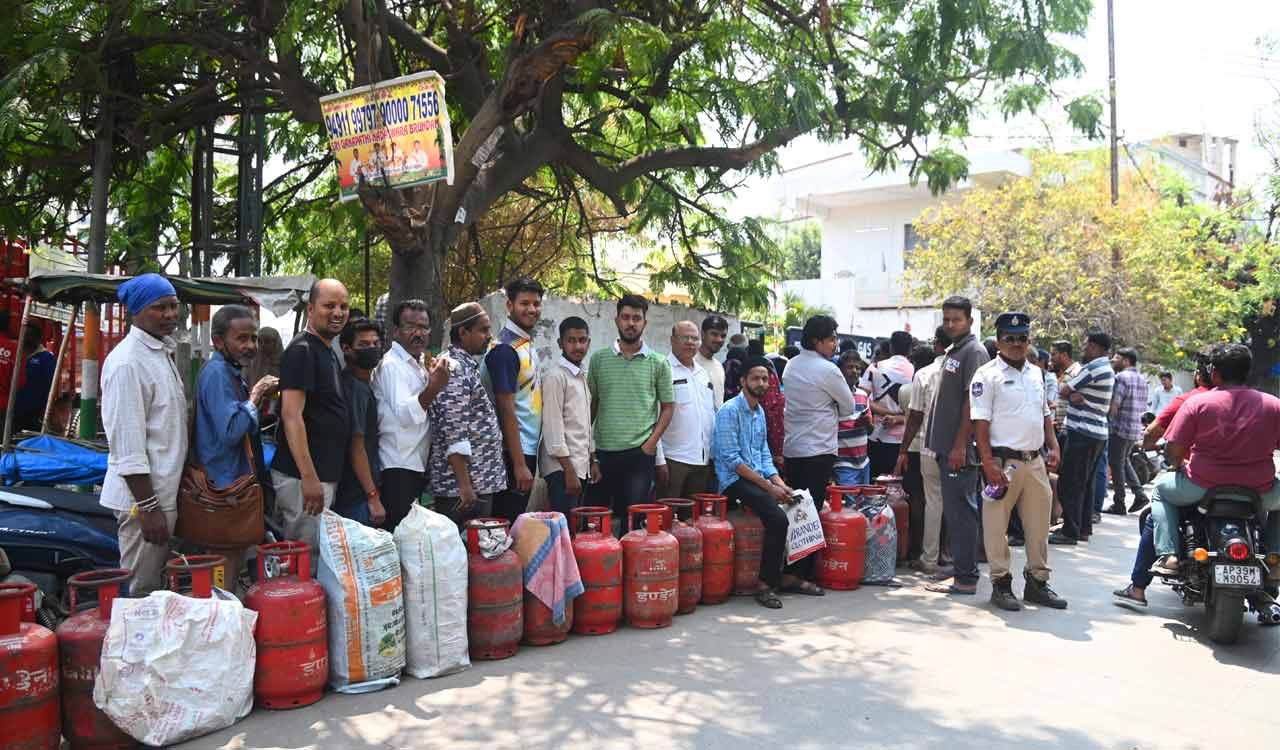


Hyderabad: As the LPG cylinder shortage continues to disrupt daily life in the city, its ripple effects are also being felt far beyond households and restaurants. Social activists and non-governmental organisations (NGOs) that run daily food donation drives for the underprivileged are now facing issues this unexpected crisis.
Everyday, many volunteer groups are seen distributing free meals near government hospitals, roadside shelters, labour addas and traffic junctions across the city feeding hundreds of people including patient attendants, migrant workers, homeless individuals and daily wage earners.
But with commercial LPG cylinders becoming scarce and expensive, sustaining these efforts has become increasingly difficult.
Organisers say that preparing large quantities of food has turned into a challenge over the past some days. Many organisations whodepend on one or two cylinders for bulk cooking are now forced to search extensively for refills or pay higher prices through informal channels.
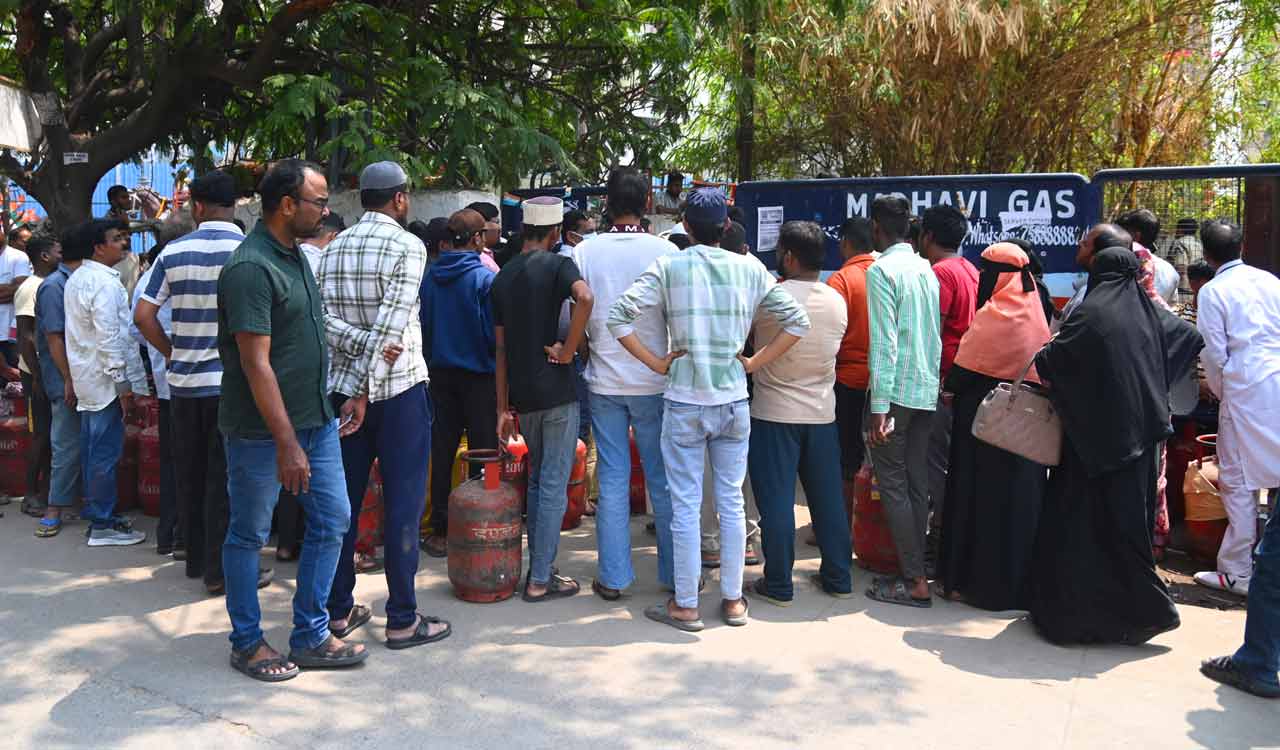
Photo: Surya Sridhar
To keep their novel cause continuing, some NGOs have shifted to firewood, coal stoves and makeshift cooking arrangements. While these alternatives help continue operations, they require more time, physical effort and coordination.
Despite the hardship, most organisations have not reduced the number of people they serve. Near major government hospitals, food distribution continues as usual, with long queues forming during lunch and dinner hours. For many families staying with patients, these meals remain their only dependable source of food.
At roadside locations and construction areas, volunteers are sticking to simple menus such as rice, dal and curry, focusing on quantity and nutrition rather than variety. “We may simplify the menu, but we cannot stop feeding people,” said a volunteer involved in nightly food distribution at a government hospital.
Rising demand, shrinking resources:
The situation is further complicated by a steady increase in demand. Activists say more people are turning to free food drives as rising living costs and disruptions in the food sector affect their earnings.
To cope with the crisis, NGOs are adopting new strategies. Some have decentralised cooking by preparing food at multiple smaller locations, while others are coordinating with local communities for temporary kitchen spaces and fuel support.
A few groups are also exploring alternative cooking methods such as electric appliances, though access to consistent power supply and equipment remains a challenge in many areas.

Related News