Mystery surrounds whereabouts of former CPI Maoist chief Ganapathy
The whereabouts of veteran Maoist leader Ganapathy remain unknown years after he stepped down as CPI (Maoist) chief. Party documents suggest he was moved out of conflict zones due to health reasons and may now be living discreetly in an urban area under strict secrecy
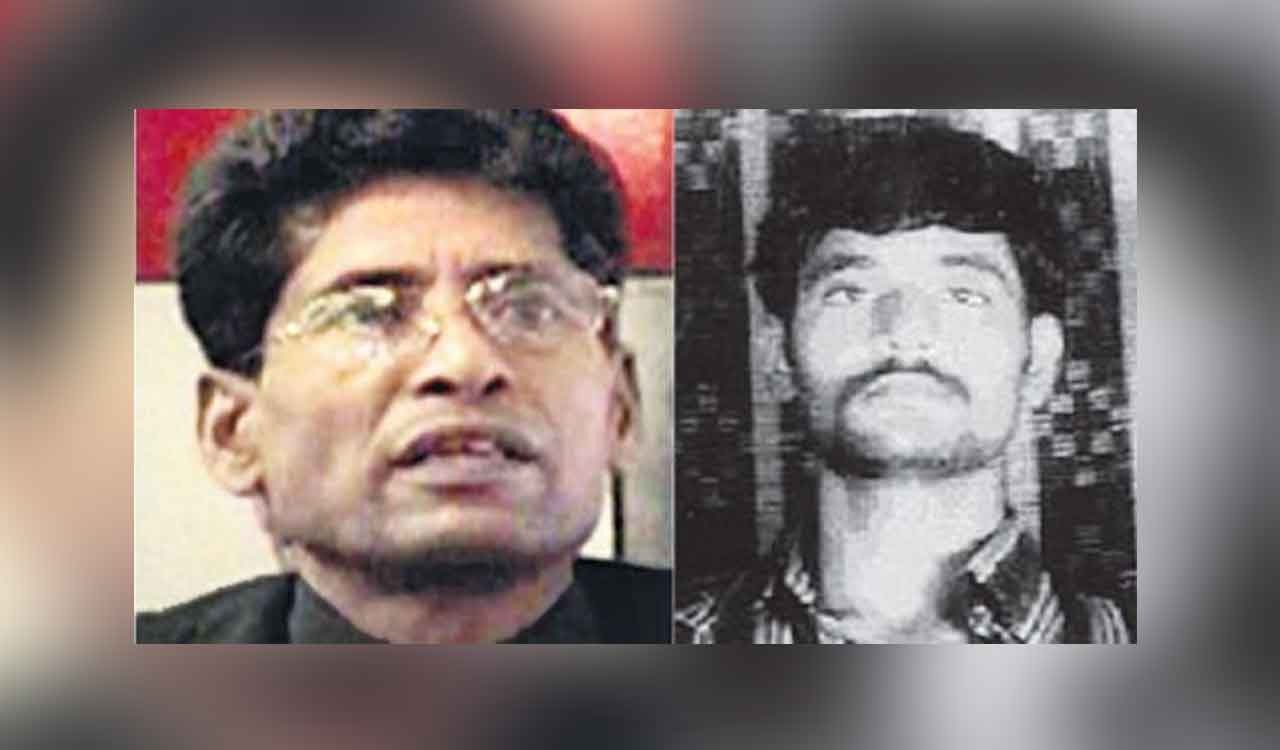


Hyderabad: The whereabouts of legendary Maoist ideologue Ganapathy remain a closely guarded secret, even years after he stepped down from the leadership of the CPI (Maoist). Despite sustained intelligence efforts, security agencies have not been able to trace his location.
Ganapathy, whose original name is Muppala Laxmana Rao, led the Indian revolutionary movement for over 25 years. He handed over the reins of the CPI (Maoist) to Baswaraj, also known as Namballa Kesava Rao, in February 2017. Baswaraj was later killed in an encounter with security forces in the Abujh Mad forests of south Chhattisgarh on May 21, 2025.
Ganapathy had become general secretary of the then CPI ML People’s War in June 1992. Following its merger with the Maoist Communist Centre of India in 2004, the CPI (Maoist) was formed. Under his leadership, the movement expanded to nearly 157 districts (out of 600) across the country, with the unification of revolutionary groups considered his major contribution.
After stepping down, Ganapathy’s status and location were kept strictly confidential. Even the leadership transition was not disclosed for more than a year and was officially acknowledged only after media reports revealed the change.
A party document prepared after the CPI (Maoist) Central Committee meeting in February 2017 suggests that Ganapathy may have been moved out of active conflict zones due to health concerns. The document indicates that only a small inner circle of the party may remain in contact with him, possibly once or twice a year.
The resolution on party veterans stated that senior leaders should gradually be relieved of responsibilities based on physical and health conditions. It also said that if adequate security could not be ensured amid intensified counter insurgency operations, veterans should be shifted to non-struggle areas, either rural or urban.
According to the document, regional or state committees were tasked with coordinating their security and maintaining contact at least once every six months. It also noted that if political conditions improved, such veterans could be allowed to enter public life and contribute openly to the movement.
The security of such ‘veterans’ should be taken care of by the Regional Bureaus or the State committees. In a situation where the party could not establish a contact with them in six months, the veterans should continue on their own till the party established the contact again.
Based on this resolution, it is believed that Ganapathy may no longer be in traditional Maoist strongholds such as Bastar or Saranda forests and could be residing discreetly in an urban location.

Related News