New criminal laws to come into effect across country on July 1
The move will bring widespread changes in India's criminal justice system and ending colonial-era laws



New Delhi: Three new criminal laws will come into effect across the country from Monday, bringing widespread changes in India’s criminal justice system and ending colonial-era laws.
The Bharatiya Nyaya Sanhita, Bharatiya Nagarik Suraksha Sanhita and the Bharatiya Sakshya Adhiniyam will replace the British-era Indian Penal Code, Code of Criminal Procedure and the Indian Evidence Act, respectively.
Also Read
The new laws will bring in a modern justice system, incorporating provisions such as Zero FIR, online registration of police complaints, summonses through electronic modes such as SMS and mandatory videography of crime scenes for all heinous crimes.
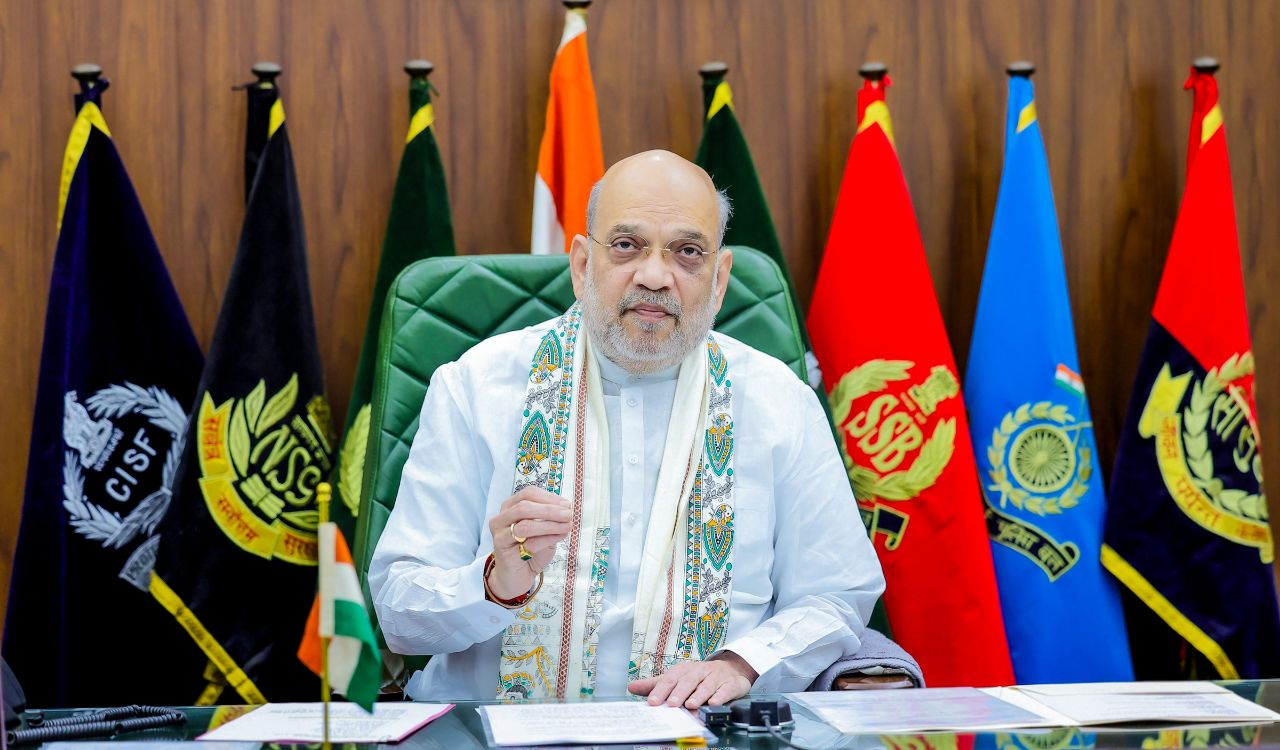
They have tried to address some of the current social realities and crimes and provide a mechanism to effectively deal with these, keeping in view the ideals enshrined in the Constitution, official sources said. Union Home Minister Amit Shah, who piloted the laws, said the new laws would give priority to providing justice, unlike the British-era laws that gave primacy to penal action.
“These laws are made by Indians, for Indians and by an Indian Parliament and marks the end of colonial criminal justice laws,” he said. Shah said the laws were not just about changing the nomenclature but bringing about a complete overhaul.
“Soul, body and spirit” of the new laws is Indian, he said. Justice is an umbrella term that encompasses both the victim and the culprit, the home minister said and added these new laws would ensure political, economic and social justice with an Indian ethos.
According to the new laws, judgment in criminal cases has to come within 45 days of completion of trial and charges must be framed within 60 days of first hearing. Statement of rape victims will be recorded by a female police officer in presence of her guardian or relative and medical reports have to come within seven days.
Organised crimes and acts of terrorism have been defined, sedition has been replaced with treason and video recording of all search and seizure have been made mandatory. A new chapter on crimes against women and children have been added, buying and selling of any child has been made a heinous crime and there is a provision for death sentence or life imprisonment for gang rape of a minor.
The offences against women and children, murder and offences against the State have been given precedence in the new law. Overlapping sections have been merged and simplified and will consist of only 358 sections against 511 in the Indian Penal Code, the sources said.
For example, definitions scattered from sections 6 to 52 have been brought under one section. Eighteen sections already stand repealed and four relating to weights and measures are covered under the Legal Metrology Act, 2009.
Instances of false promise of marriage, gang rape of minors, mob lynching, chain snatching, etc are reported but the current Indian Penal Code did not have specific provisions for dealing with such incidents. These have been addressed in the Bharatiya Nyaya Sanhita, the sources said.
A new provision has been made for cases such as abandonment of women after making sexual relations on the false promise of marriage. The three laws were based on justice, transparency and fairness, the sources said.
Under the new laws, a person can now report incidents by electronic communication, without the need to physically visit a police station. This allows for easier and quicker reporting, facilitating prompt action by the police.
With the introduction of Zero FIR, a person can file a First Information Report (FIR) at any police station, regardless of jurisdiction. This eliminates delays in initiating legal proceedings and ensures immediate reporting of the offence.
An interesting addition of the law is that in the event of an arrest, the individual has the right to inform a person of his choice about his or her situation. This will ensure immediate support and assistance to the arrested individual.
Besides, arrest details will now be prominently displayed within police stations and district headquarters, allowing families and friends of the arrested person easy access to important information. To strengthen cases and investigations, it has become mandatory for forensic experts to visit crime scenes for serious offences and collect evidence.
Under the new laws, victims of crime against women are entitled to regular updates on the progress of their case within 90 days. This provision keeps victims informed and involved in the legal process, enhancing transparency and trust. The new laws guarantee free first-aid or medical treatment to victims of crimes against women and children at all hospitals.
This provision ensures immediate access to essential medical care, prioritising the wellbeing and recovery of victims during challenging times. Summonses can now be served electronically, expediting legal processes, reducing paperwork and ensuring efficient communication among all parties involved.

Related News
-

Rahul Gandhi seeks evidence to file cases over alleged police brutality
-
Amit Shah calls for rehabilitation of Naxalism victims and development of Bastar
-
Kalam’s birth anniversary: Union ministers, CMs hail Missile Man of India’s legacy on birth anniversary
-
Delhi police stop Revanth Reddy while heading to meet Rahul Gandhi