NIN-led policy brief calls for health tax on junk food, sugary drinks in India
A policy brief led by Hyderabad's ICMR-National Institute of Nutrition recommends imposing health taxes on sweets and sugar-sweetened beverages to curb childhood obesity and lifestyle diseases. The report says higher taxes, combined with broader reforms, could reduce unhealthy food consumption and boost government revenue.
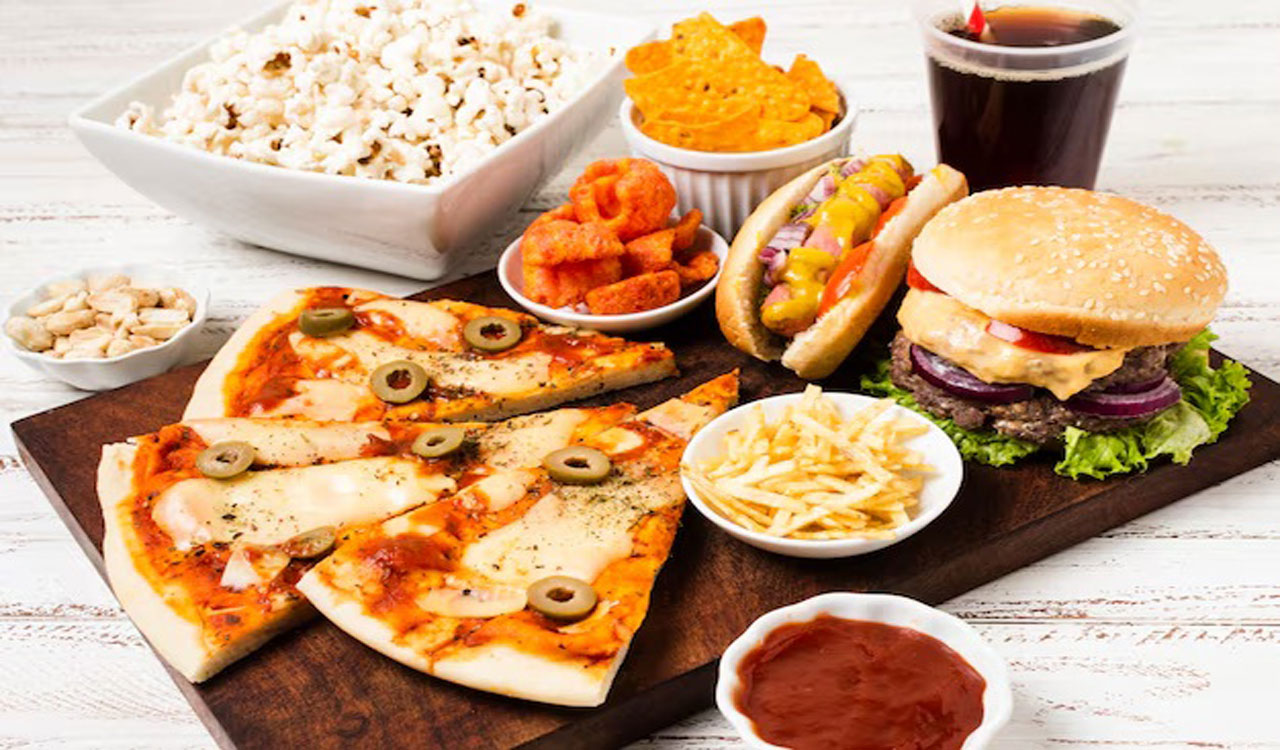


Hyderabad: As lifestyle diseases and adolescent obesity continue to rise alarmingly to new heights across the country, public health advocates and premier institutions are pushing to utilise the financial weapon of a ‘health tax’ to curb unhealthy diets.
Increasingly, to ensure the food environments are safe for children and young people not only in Hyderabad but across the country, top policymakers are now proposing to penalise high-fat, salt, and sugar (HFSS) products and sugar-sweetened beverages (SSBs).
A landmark policy brief released by the ‘Let’s Fix Our Food’ (LFOF) Consortium, spearheaded by the Hyderabad-based ICMR-National Institute of Nutrition (NIN), has placed fiscal intervention at the core of its measures to curb obesity and lifestyle ailments among children and adolescents.
According to the policy report, unhealthy diets have transformed into silent catalysts for chronic illnesses globally and domestically. Overweight and obesity account for four million deaths annually, with nearly three-quarters of these fatalities occurring in low- and middle-income countries.
In India, changing consumption patterns over the last two decades have exposed a dangerous dietary drift. The per capita consumption of sugar surged from 22 grams per day between 2000–2010 to an estimated 68 grams per day by 2021.
The consumption of table salt climbed steadily from 9 to 12 grams per day (well above global thresholds), while fat consumption has jumped sharply from 21 to 54 grams per day.
As a result of a substantial rise in consumption of sugar, salt and fat, there have been Non-Communicable Diseases (NCDs), type-2 diabetes, and tooth decay among children and adolescents.
The World Health Organization has long recommended taxation as one of the most cost-effective tools to combat high consumption of sugar, fat and salt. In fact, over 70 countries already have implemented health taxes on beverages that are sweetened by sugar. However, a similar system is not in place in India.
For sweets and confectionery, the policy brief has recommended adding a 20 per cent to 30 per cent health tax to the baseline 18 per cent GST, which will reduce the demand by 12 per cent to 18 per cent for bulk manufacturers and at the same time increase the government revenues by 46 per cent to 120 per cent.
Similarly, for beverages sweetened with sugar, the policy brief recommends adding a 22 per cent to 32 per cent health tax, which will cut demand by 7 per cent to 13 per cent and raise state revenues by 17 per cent to 40 per cent.
The brief stresses that taxation must be paired with broader reforms including regular inflation adjustments, subsidies for fruits and vegetables, industry reformulation incentives, and strict restrictions on junk food marketing to children.
Sweets and confectioneries:
If an additional 20 per cent health tax, on top of the existing 18 per cent GST, is added, demand will drop by 12 per cent
If a 30 per cent health tax is added, demand will drop by 18 per cent
Government revenues will increase from 46 per cent to 120 per cent
Sugar-sweetened beverages:
In additional 22 per cent health cess is added to the existing 28 per cent GST, then demand may reduce by 7 per cent
If a health cess of 32 per cent is added, then demand may reduce by 13 per cent
Government revenue to grow by 17 per cent to 40 per cent

Related News