Sabarimala case: TDB says courts cannot decide religious beliefs
The Travancore Devaswom Board told the Supreme Court that courts cannot judge religious beliefs of denominations. During the Sabarimala hearing, it argued that practices must be determined by the community, while the court continues to examine issues of religious freedom and equality
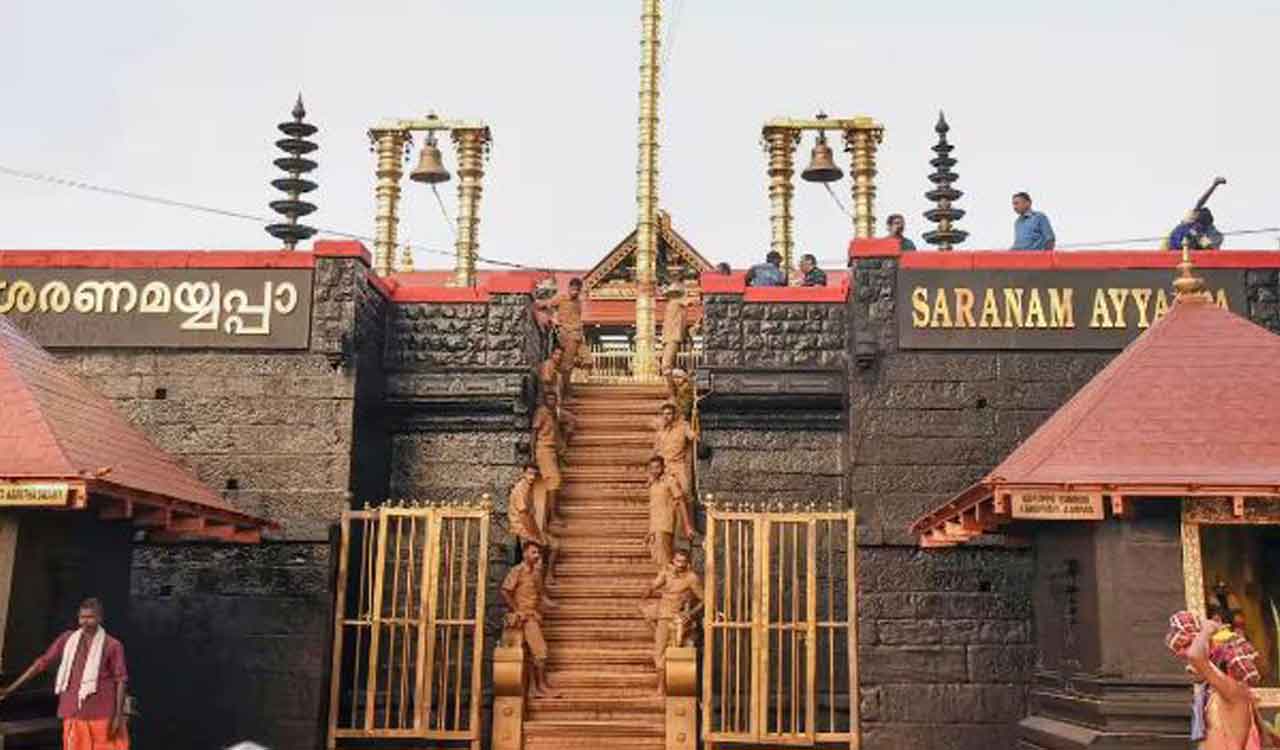


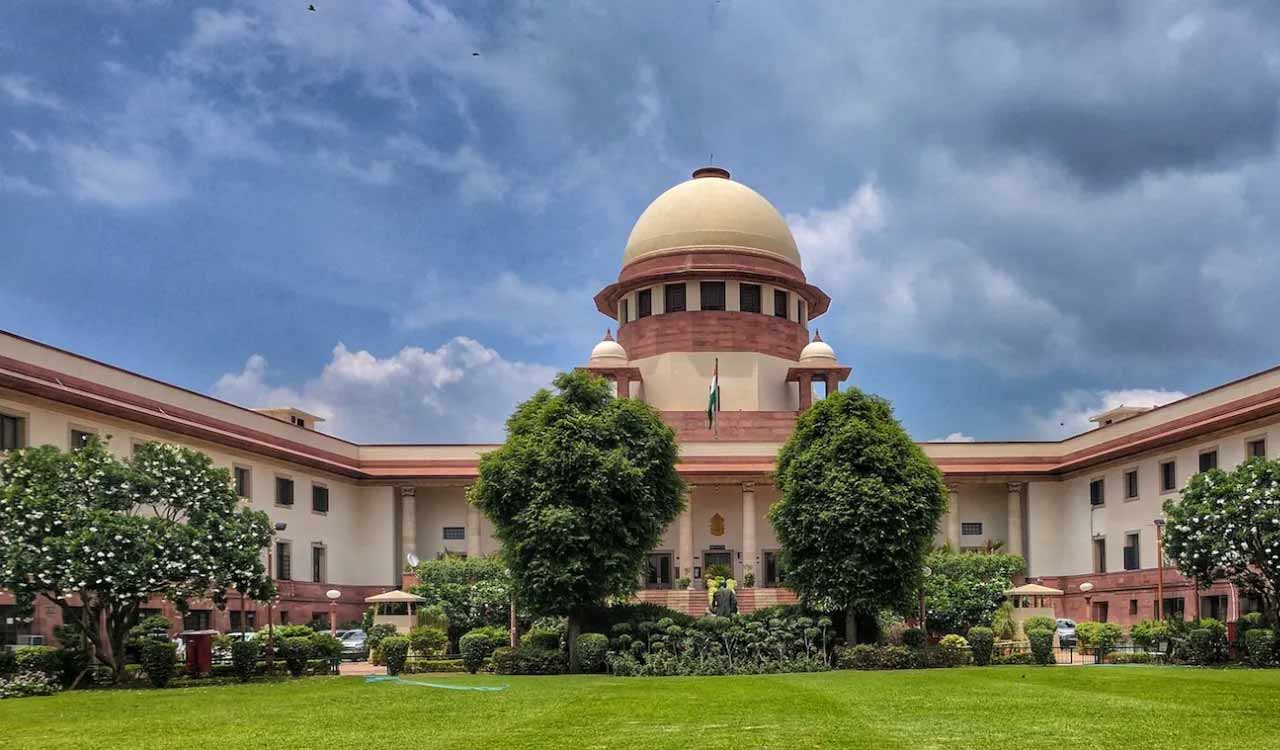
New Delhi: The Travancore Devaswom Board (TDB), which manages the historic Sabarimala temple in Kerala, told the Supreme Court on Wednesday that religion is a set of beliefs and practices followed by a denomination with a broadly similar identity and the court cannot sit in judgement of that belief.
A nine-judge Constitution bench headed by Chief Justice Surya Kant was told by the board, which is a statutory autonomous body that manages over 1,000 temples in South India, that the beliefs and practices of the community have to be judged by the subjective belief of the community and the court is bound to accept their belief.
Senior advocate Abhishek Singhvi, appearing for the TDB, said, “Religion is a set of beliefs and practices followed by a group/sect/denomination with a broadly similar identity. While Article 25 clearly vests in an individual the right to profess, practice and propagate religion, such individual rights cannot be allowed to extend to an area which intrudes upon the mass of individual rights of all other adherents of that religion or denomination.”
The bench, also comprising Justices B V Nagarathna, M M Sundresh, Ahsanuddin Amanullah, Aravind Kumar, Augustine George Masih, Prasanna B Varale, R Mahadevan and Joymalya Bagchi, was told by Singhvi that it is impermissible to add, modify or subtract from the specific constitutional text and, accordingly, the additional derogation of ‘essentiality’ as engrafted by some judgments is entirely impermissible.
Singhvi, on the fourth day of hearing, said Article 25 of the Constitution guarantees to all persons the freedom of conscience and the right to freely profess, practice and propagate religion, subject to public order, morality, health and other provisions of Part III of the Constitution.
The hearing is underway.
The nine-judge bench is hearing petitions related to discrimination against women at religious places, including the Sabarimala temple, and on the ambit and scope of the religious freedom practised by multiple faiths.
On April 9, the top court observed that Hinduism will be adversely impacted and society will stand divided if temples and “mutts” restrict entry on the grounds of sect and separate denominations within a religion.
It made the oral observations while responding to the submissions of senior advocate C S Vaidyanathan that Article 26(b) of the Constitution gives the right to a religious denomination to manage its own affairs and will have primacy over Article 25(2)(b), which empowers the State to throw open all Hindu religious institutions of a public nature.
Vaidyanathan appeared in court on behalf of the devotees of Lord Ayyappa of the historic Sabarimala temple in Kerala.
In September 2018, a five-judge Constitution bench, by a 4:1 majority verdict, had lifted the ban that prevented women between the ages of 10 and 50 from entering the Sabarimala Ayyappa temple in Kerala, and held that the centuries-old Hindu religious practice was illegal and unconstitutional.
Later, on November 14, 2019, another five-judge bench headed by the then CJI Ranjan Gogoi, by a majority of 3:2, referred the issue of discrimination against women at various places of worship to a larger bench.
The bench had then framed broad issues on freedom across religions, saying they cannot be decided without the facts of a particular case.

Related News
-

Supreme Court clarifies legal route for complaints against elected candidates
-
NEET-PG 2026: Plea seeks permanent copies of question papers and response sheets
-
SC issues notice to ECI on Rahul Gandhi-led plea against Special Intensive Revision exercise
-
Internet shutdown during October 10 CJP protest was necessary: Centre to SC