SC allows hearing of sedition cases if accused has no objection
The Supreme Court clarified that courts may continue hearing sedition-related cases under Section 124A IPC if the accused raises no objection. The ruling came while hearing a jailed petitioner’s plea, even as the colonial-era sedition law remains suspended pending the Centre’s review process
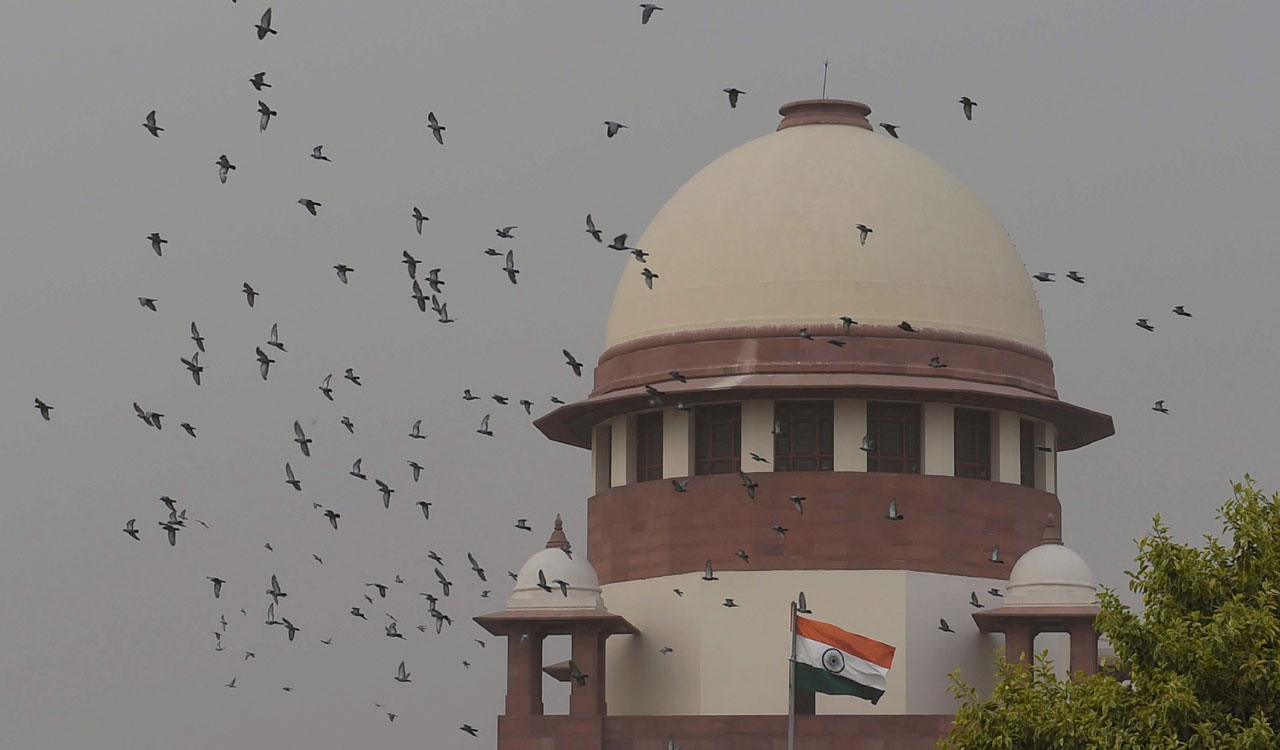


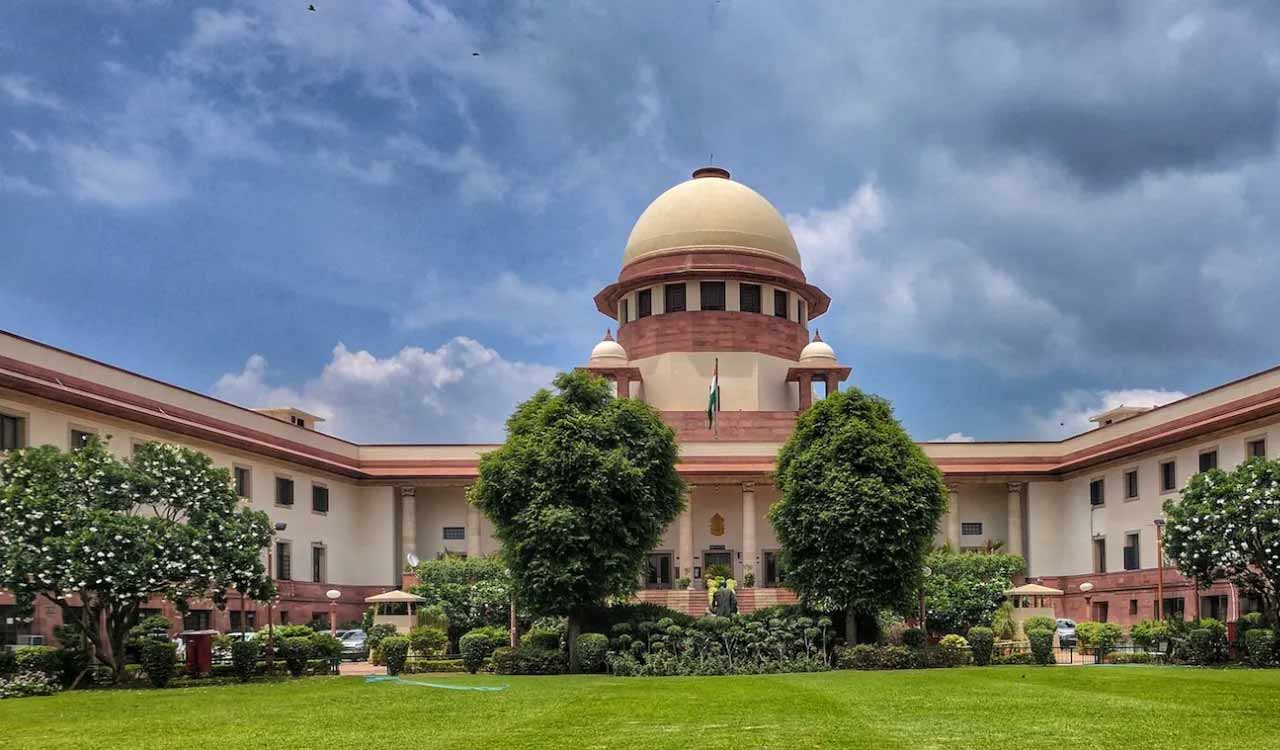
New Delhi: The Supreme Court on Thursday said that courts can hear trials pertaining to section 124A of the Indian Penal Code, which relates to sedition, if the accused has no objection to it.
The clarification from a bench comprising Chief Justice Surya Kant and Justices Joymalya Bagchi and Vipul M Pancholi came while hearing a plea by an accused who has been in jail for 17 years in a case related to sedition. The appeal filed by the accused is pending before the Madhya Pradesh High Court.
“The petitioner’s grievance is that he has no objection if his criminal appeal is heard in entirety, including with respect to the charge under Section 124A. That being so, we clarify… that wherever the accused has no objection against proceeding of the trial, appeal, or any other proceeding where he has been chargesheeted under Section 124A IPC also, there shall be no impediment for the courts to decide such matters on merits and in accordance with law,” the bench said. The top court asked the Madhya Pradesh High Court to hear the petitioner’s appeal, and decide the same on merit.
In a landmark order passed on May 11, 2022, the apex court had put the penal provision on sedition on hold till the Centre completed its promised review of the colonial-era relic and also asked the Union and state governments not to register any fresh case invoking the offence.
It had also directed that the ongoing probes, pending trials and all proceedings under the sedition law would be kept in abeyance across the country and those in jail on sedition charges could approach the court for bail.
The offence of sedition, which was included in section 124A of the Indian Penal Code (IPC) in 1890, has been under intense public scrutiny for its use as a tool against expressions of dissent, including on social media. The British government, during its colonial rule, had used the sedition law primarily to suppress dissent and imprison freedom fighters such as Mahatma Gandhi and Bal Gangadhar Tilak. The Editors Guild of India, Major General (Retd) S G Vombatkere, former Union minister Arun Shourie and the People’s Union for Civil Liberties (PUCL) have filed petitions against the penal provision.

Related News
-

Supreme Court clarifies legal route for complaints against elected candidates
-
NEET-PG 2026: Plea seeks permanent copies of question papers and response sheets
-
SC issues notice to ECI on Rahul Gandhi-led plea against Special Intensive Revision exercise
-
Internet shutdown during October 10 CJP protest was necessary: Centre to SC