Scientists decode role of glucose in Alzheimer’s, Parkinson’s disease
The human brain has a sweet tooth, burning through nearly one quarter of the body's sugar energy, or glucose, each day.
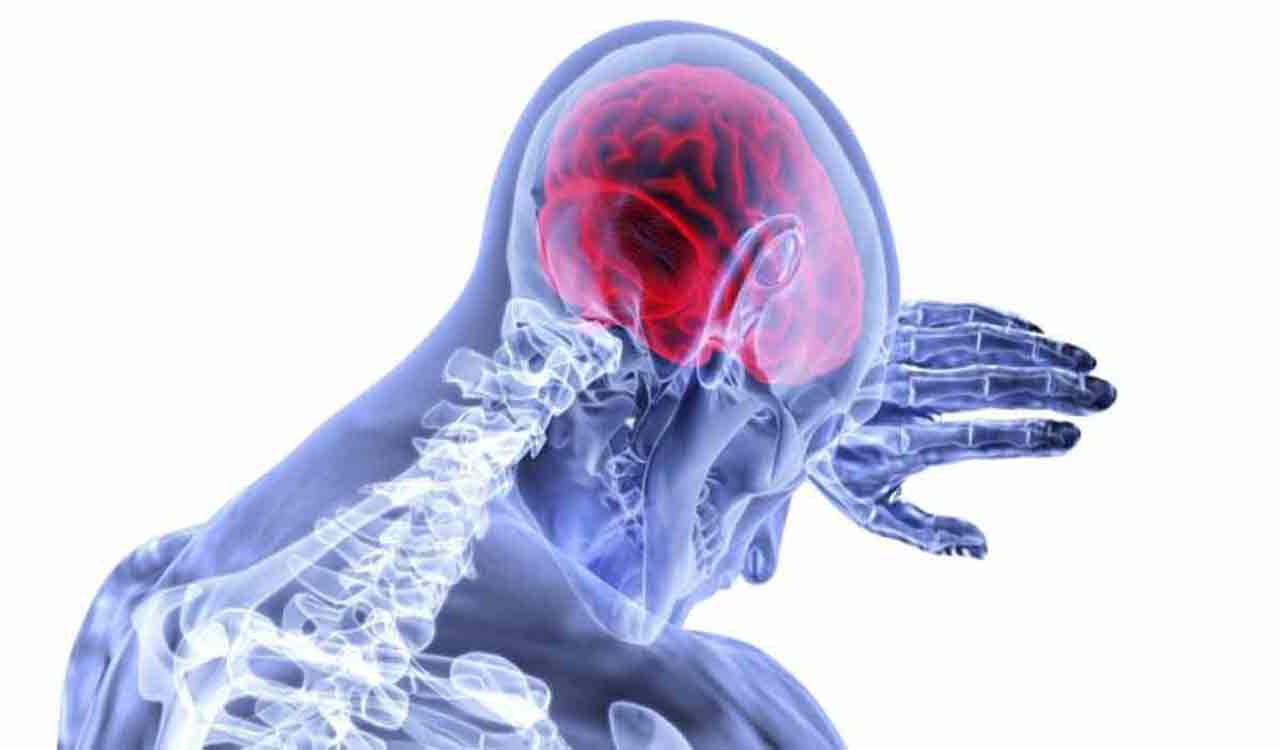


San Francisco: Researchers have identified how healthy neurons metabolise glucose, an advance which may have implications for understanding neurodegenerative diseases like Alzheimer’s and Parkinson’s.
The human brain has a sweet tooth, burning through nearly one quarter of the body’s sugar energy, or glucose, each day.
Also Read
The team from Gladstone Institutes and University of California-San Francisco (UCSF) shed new light on exactly how neurons — the cells that send electrical signals through the brain — consume and metabolise glucose, as well as how these cells adapt to glucose shortages.
“We already knew that the brain requires a lot of glucose, but it had been unclear how much neurons themselves rely on glucose and what methods they use to break the sugar down,” said Ken Nakamura, Associate Investigator at Gladstone, a US-based non-profit research organisation.
“Now, we have a much better understanding of the basic fuel that makes neurons run.”
Past studies have established that the brain’s uptake of glucose is decreased in the early stages of neurodegenerative diseases like Alzheimer’s and Parkinson’s.
The new findings, published in the journal Cell Reports, could lead to the discovery of new therapeutic approaches for those diseases and contribute to a better understanding of how to keep the brain healthy as it ages.
Scientists have long debated what happens to glucose in the brain, and many have suggested that neurons themselves don’t metabolise the sugar. They instead proposed that glial cells consume most of the glucose and then fuel neurons indirectly by passing them a metabolic product of glucose called lactate.
However, the evidence to support this theory has been scant.
Nakamura’s experiment using induced pluripotent stem cells (iPS cells) to generate pure human neurons revealed that neurons themselves were capable of taking up the glucose and of processing it into smaller metabolites.
Further, they used CRISPR gene editing, to determine exactly how neurons were using the products of metabolised glucose.
They found one of the proteins enables neurons to import glucose, and the other is required for glycolysis, the main pathway by which cells typically metabolise glucose. Removing either of these proteins stopped the breakdown of glucose in the isolated human neurons.
“This is the most direct and clearest evidence yet that neurons are metabolising glucose through glycolysis and that they need this fuel to maintain normal energy levels,” said Nakamura, who is also an Associate Professor in the Department of neurology at UCSF.
By engineering the mice’s neurons to lack the proteins required for glucose import and glycolysis, the team learnt how the animals develop severe learning and memory problems as they age.

Related News
-

CCMB study explores link between flu, Covid-19 and Parkinson’s disease
-
Parkinson’s struggle meets AI innovation as London singer uses tech to finish new album
-
Telangana Assembly’s Paraquat ban brings cheer to Mancherial doctors
-
Ultrasound technology could be a new home for Alzheimer’s disease and other neurological disorders