Severe antimicrobial resistance among liver transplant patients, city-based South Asian Liver Institute study
A two-and-a-half-year study by the South Asian Liver Institute has found alarming levels of multi-drug resistant bacterial infections among liver transplant patients in a semi-rural town, with 94 per cent of cultures resistant to first- and second-line antibiotics
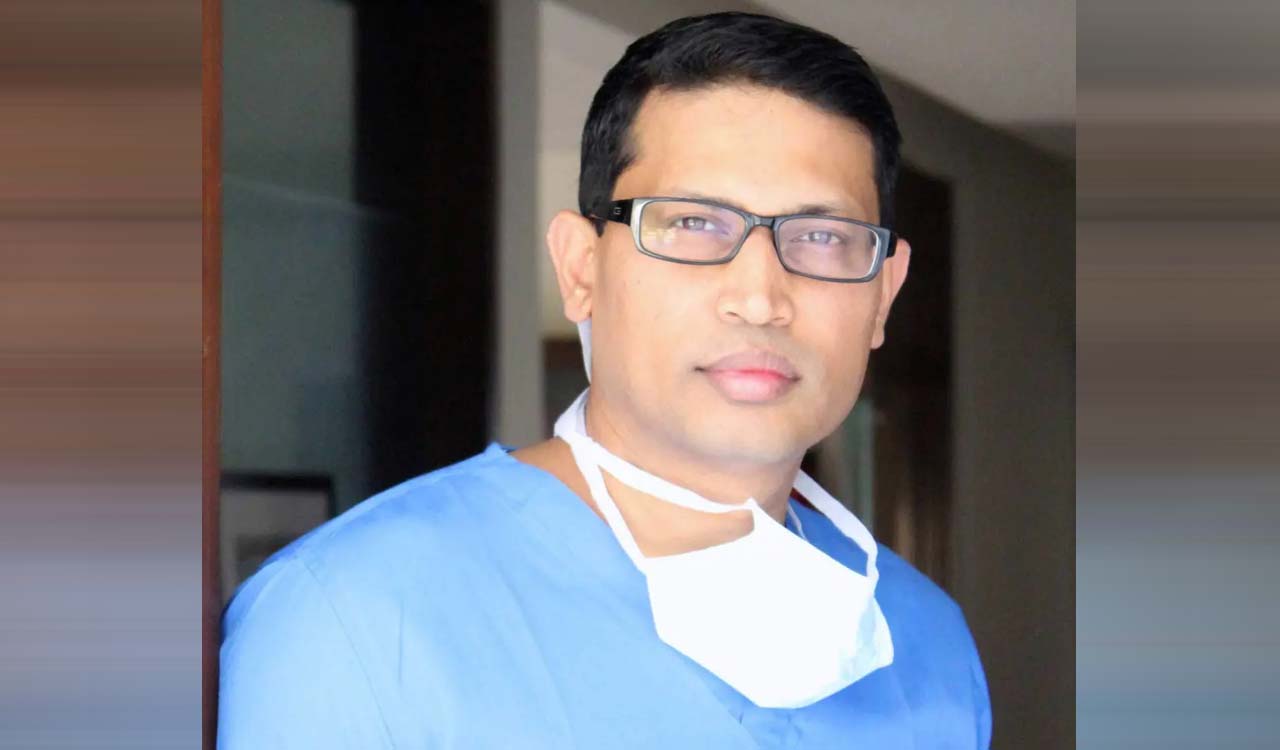


Hyderabad: Liver surgeons from Hyderabad-based South Asian Liver Institute, who conducted a retrospective study spanning two-and-a-half years in 67 liver surgery patients in a semi-rural tier 2 town, found a 24 per cent incidence of bacterial infections, with 16 cases from 46 liver transplant recipients.
All the patients (out of 16 patients) were resistant to antibiotics. Worryingly, 15 of the 16 positive bacteria (94 percent) were resistant to first and second-line antibiotics. A smaller percentage were resistant to third-line/level antibiotics, and a few were resistant to last resort drugs like Oxazolidinones. Nine out of the 16 positive patients (56 per cent) were positive on their pre-operative blood cultures, suggesting that all (100 percent) of these were MDR bacteria, Dr Tom Cherian, Head, Transplant Surgery and Primary Investigator for the study said.
Dr A Gogineni, liver critical care specialist and sub-investigator, remarked that “Klebsiella pneumoniae and Escherichia coli were the two commonest organisms accounting for about 58 per cent of cases. The antibiotic class most commonly resistant were Fluroquinolones, Penicillin, Cephalosporin, and Nitrofurantoin”.
This is the first such study of antibiotic resistance in Liver transplant recipients in a semi-rural setting in South Asia that they are aware of.
“Our infection control strategies and WHO policies taught us to prevent spread to the patient. But when over 50 per cent of the patients are walking in with such an MDR infection within themselves, this is a meaningless exercise. Now, there is a need to ensure such active infections are detected, controlled, and patients made sterile of pathogenic bacteria, before they undergo surgery,” Dr Cherian added.

Related News
-

Hyderabad: Woman allegedly sexually assaulted after offer of domestic work
-
KTR congratulates Kaiteki Innovations founder on Vande Bharatam award
-
Hyderabad: 151 officer trainees complete first phase of IPS training
-
A mirror in space to turn night into day? Hyderabad-based Skyroot deal brings sci-fi closer to reality