Tamil Nadu plans international makeover for Mahabalipuram with Rs 200 crore fund
Tamil Nadu has allocated Rs 200 crore for developing Mahabalipuram as an international-standard spiritual and tourism hub. Tourism Minister S Rajesh Kumar also announced plans for pilgrimage circuits, river tourism projects and training local guides to cater to global visitors
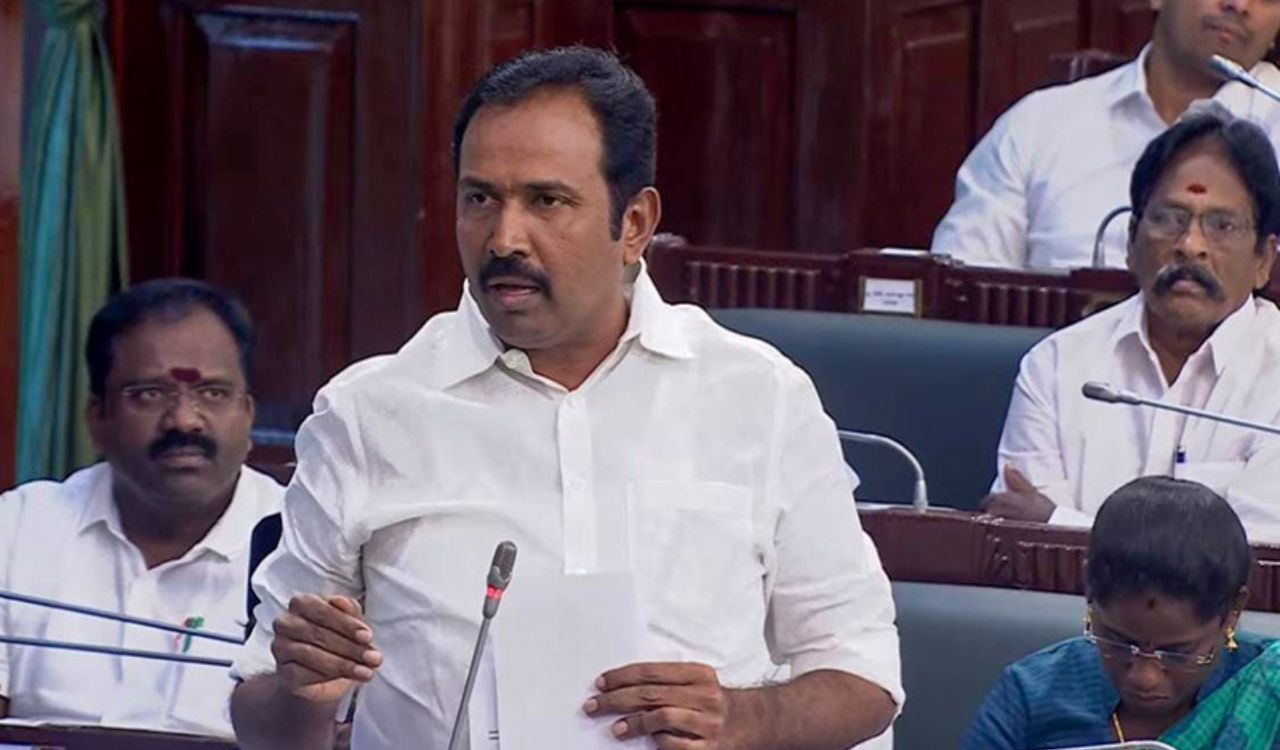


Chennai: Tamil Nadu Tourism Minister S Rajesh Kumar announced on Friday that the historic coastal town of Mahabalipuram has been allocated Rs 200 crore for development as an international-standard spiritual and tourism hub. This will be done in collaboration with the Union Government, he said.
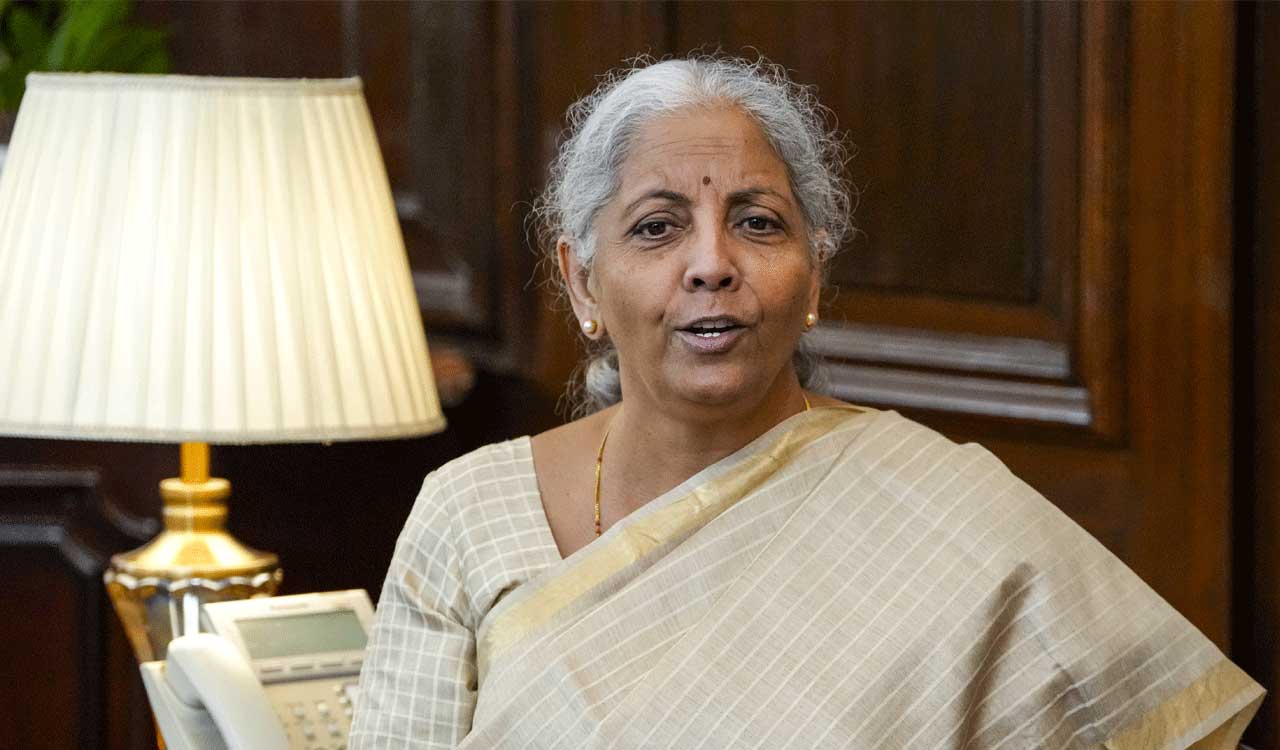
Addressing a press conference here, the minister stated that the Union Finance Minister Nirmala Sitharaman had announced the major fund allocation for Mahabalipuram, alongside a separate allocation of approximately Rs 60 crore specifically earmarked for river tourism projects in the state.
Kumar also outlined plans to establish a major integrated pilgrimage tourism circuit connecting prominent interfaith sites across communities, including Velankanni, Nagore, and Thirukadaiyur, for which requisite funds have been designated.
“Tourism is not confined to just a single sector,” the minister said, highlighting ongoing state efforts to expand and coordinate medical tourism, agri-tourism, and hill trekking.
Detailed district-wise project allocations will be presented during the Tourism Department’s upcoming demand for grants in the State Legislative Assembly.
To cater to global travellers, the department is actively training and certifying local tour guides to explain the state’s destinations in international languages, serving as a direct link between foreign tourists and the tourism department, he added.
Emphasising the state’s vision to elevate Tamil Nadu tourism onto the global stage, Kumar said the objective is to ensure visitors experience the region’s rich living culture and its archaeological heritage spanning 2,000 to 3,000 years.

Related News