Tata Sierra: Weighing Features, Experience, and Long-Term Value
The return of the Tata Sierra invites a closer examination of how features, overall experience, and long-term value come together for modern SUV buyers.
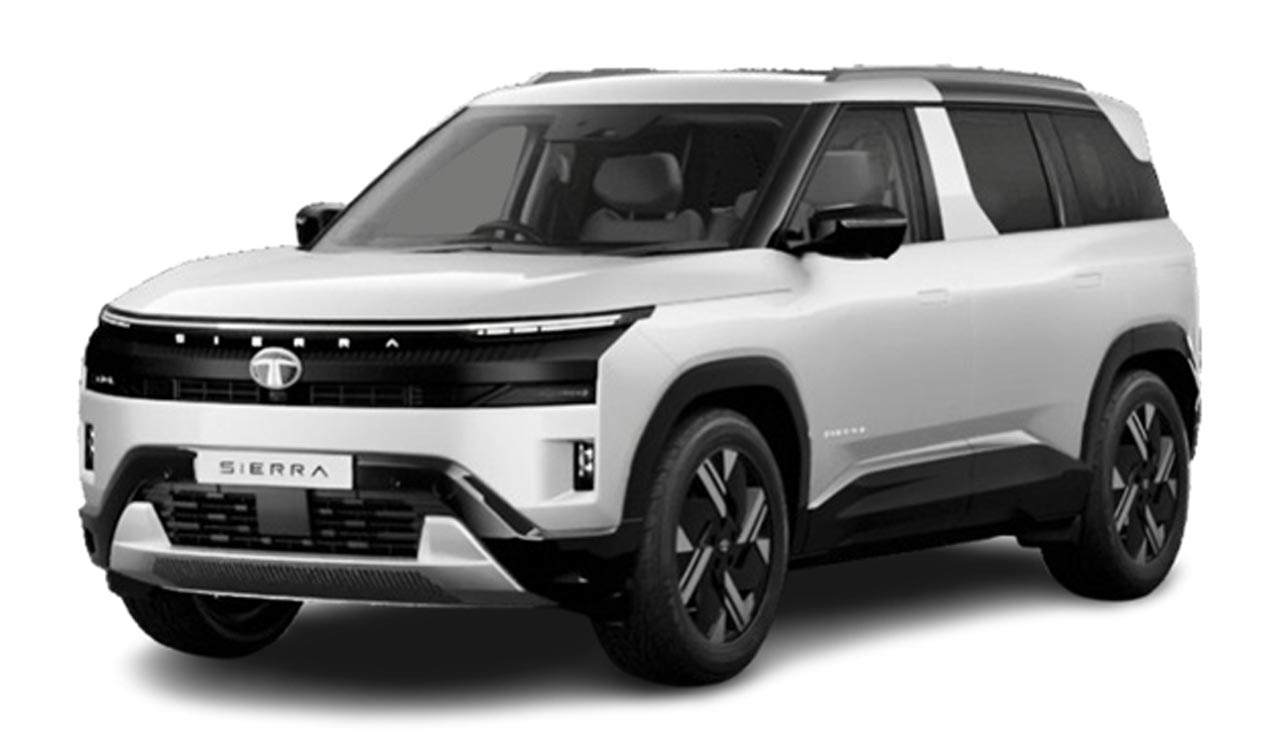


As the SUV market matures, buyers are increasingly evaluating vehicles through a broader lens than specifications or price alone. The question is no longer just what a car offers at launch, but how it fits into everyday life over several years of ownership. Against this backdrop, the return of the Tata Sierra invites a closer examination of how features, overall experience, and long-term value come together for modern SUV buyers.
Rather than treating value as a single metric, many buyers now weigh a combination of usability, comfort, technology relevance, safety confidence, and design longevity.
Features as Enablers, Not Selling Points
In today’s SUV segment, feature lists can appear similar across models. Touchscreens, connected systems, driver assistance, and premium materials are increasingly common. What differentiates value is not the presence of features, but how well they support everyday use.
The Tata Sierra’s positioning suggests a focus on features that enhance comfort and reduce fatigue—particularly during commuting and family travel—rather than novelty-driven additions. Digital interfaces, ambient lighting, panoramic glass areas, and integrated infotainment layouts are intended to create a calmer in-cabin environment. When features are intuitive and well-integrated, they tend to remain useful longer, contributing to perceived value over time.
From a buyer’s perspective, this approach reduces the risk of paying for features that feel dated or redundant within a few years.
The Ownership Experience Matters More Than Ever
Long-term satisfaction is increasingly tied to experience rather than performance extremes. Buyers now ask practical questions: Is the cabin comfortable on long drives? Does the interior feel durable? Are controls easy to use daily? Does the vehicle reduce stress in traffic?
The Sierra’s emphasis on interior space, visibility, and ambience aligns with this shift. Experience-led SUVs prioritise how occupants feel during routine use, not just during occasional highway runs. For families and urban users, this experiential consistency often matters more than peak power figures.
In this sense, value is experienced incrementally—through quieter cabins, supportive seating, and layouts that age gracefully.
Technology and Its Longevity Curve
Technology can either add long-term value or accelerate obsolescence. Buyers are increasingly cautious of systems that feel impressive at launch but become frustrating or unsupported later.
A technology stack that focuses on clarity, connectivity, and ease of updates tends to age better than one built around novelty. Buyers researching upcoming SUVs often turn to comparison-led platforms such as ACKO Drive, which combine online car buying with expert reviews and detailed comparisons, to understand whether a vehicle’s technology is likely to remain relevant through the ownership cycle rather than simply look advanced on paper.
From a value standpoint, technology that supports daily routines—navigation, connectivity, driver assistance—often delivers a better return than features that are rarely used.
Safety as a Foundation of Long-Term Value
Safety has become central to value assessments, especially for family-oriented SUVs. Advanced structural design, multiple airbags, and driver assistance systems contribute not only to protection but also to peace of mind.
The Sierra’s emphasis on safety confidence reflects an understanding that buyers increasingly view safety as a non-negotiable baseline. Over time, vehicles that feel reassuring to drive—across cities, highways, and varied conditions—tend to retain owner trust and satisfaction, which directly influences perceived long-term value.
In markets like India, where driving environments are unpredictable, this reassurance carries tangible worth beyond specifications.
Design Longevity and Perceived Worth
Design plays a subtle but important role in long-term value. Vehicles that rely heavily on short-lived styling trends can feel dated quickly, affecting owner satisfaction and resale perception.
The Sierra’s restrained, design-forward approach aims to strike a balance between distinctiveness and longevity. Clean surfaces, balanced proportions, and a recognisable identity are more likely to age well than aggressive or overly complex styling. For buyers who keep vehicles for several years, design longevity becomes a meaningful component of value—even if it is not immediately quantifiable.
Cost Versus Cost of Ownership
Value is also shaped by ownership considerations beyond the purchase price. Maintenance expectations, service accessibility, durability perception, and brand support all influence how “worth it” a vehicle feels over time.
While pricing will ultimately determine competitiveness, buyers increasingly judge value by minimising regret rather than maximising features per rupee. A vehicle that delivers consistent comfort, predictable upkeep, and dependable usability often feels like a better investment, even if it is not the cheapest option initially.
Who Is Likely to See Value in the Tata Sierra?
The Sierra’s value proposition is likely to resonate most with buyers who:
- Prioritise interior comfort and daily usability
- Value design identity and experience over raw performance
- See technology and safety as long-term investments
- Plan for multi-year ownership rather than frequent upgrades
Buyers focused primarily on entry-level pricing or traditional notions of SUV toughness may evaluate value differently.
Balancing Features, Experience, and Time
Modern value-for-money decisions are increasingly about balance. Features should enhance experience, experience should remain consistent over time, and ownership should feel predictable rather than demanding.
The Tata Sierra’s positioning suggests an attempt to address this balance by aligning features with real-world use and designing for longevity rather than immediate impact. Whether this translates into strong value will ultimately depend on pricing and execution, but the framework reflects how buyers now think about worth.
Conclusion
Weighing features, experience, and long-term value requires moving beyond checklists. The Tata Sierra reflects a broader shift in how SUVs are evaluated—where comfort, safety, technology relevance, and design longevity collectively define value.
For buyers who see value as an ongoing experience rather than a one-time transaction, the Sierra’s approach may align well with modern expectations. In today’s SUV market, the most compelling value propositions are often those that remain satisfying long after the initial purchase excitement fades.

Related News