Telangana faces drinking water crisis over delayed river board meetings
Telangana faces a looming drinking water crisis as Srisailam reservoir levels decline. Delayed KRMB and GRMB meetings and unresolved Krishna water allocations have heightened concerns, while Andhra Pradesh advances a project to draw water from Nagarjuna Sagar, sources say
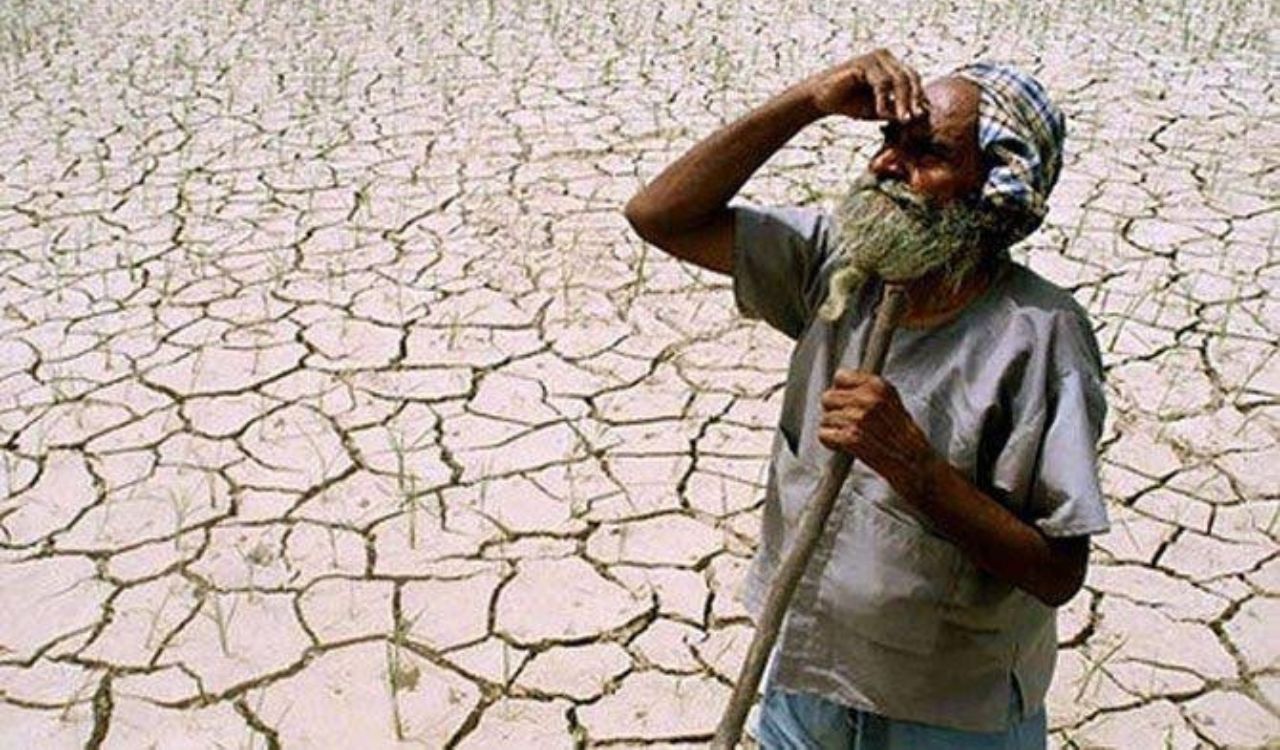


Hyderabad: With reservoir levels plummeting and the drinking water crisis looming, the Congress government’s failure to secure assured Krishna water allocations has left Telangana vulnerable ahead of summer. Despite repeated postponements of crucial meetings of the Krishna and Godavari River Management Boards (KRMB and GRMB), the government failed to push the inter-State water-sharing issue towards a resolution, even as Andhra Pradesh expedited its drinking water plans.
The urgency is underscored by the alarming depletion of the Srisailam reservoir, whose water level fell to 829.10 feet against the full reservoir level of 885 feet. Its storage has dropped to 48.57 TMCft against a capacity of 215.80 TMCft, below the minimum drawdown level of 834 feet. With inflows from Jurala, Sunkesula and Handri having stopped, the reservoir is fast approaching a critical situation.
The reservoir lost 3.03 TMCft in nine days during the first fortnight of November, at an average of 0.33 TMCft a day. With evaporation losses and drinking water demand set to increase during summer, the available storage is likely to come under further pressure. Annual inflows into Srisailam were just 218 TMCft, due to the El Nino impact.
The government’s failure to resolve the water-sharing issue is compounded by repeated postponements of river board meetings. The 21st full-fledged KRMB meeting, scheduled for October 26, has been deferred without a fresh date. It had already been postponed several times since May. The last regular meeting was held on January 21, 2025. The 18th GRMB meeting, originally scheduled for August 18 and later proposed for October 30, was also deferred over differences between the two States on agenda items.
The KRMB’s three-member committee has repeatedly deferred a decision on drinking water allocations as Telangana and Andhra Pradesh failed to reach a consensus. Telangana sought a 50:50 share or population-based allocation, including 46 TMCft for drinking water against its total demand of 200 TMCft. No formal agreement has been reached.
Telangana sought five TMCft from Srisailam to meet drinking water and irrigation requirements in the erstwhile Mahabubnagar district through the Kalwakurthy and Palamuru-Rangareddy lift irrigation schemes. Water from the reservoir is also required to meet drinking water needs in Hyderabad, Nalgonda and Khammam until July next year. Officials fear that the reservoir level could fall further during summer, making withdrawals increasingly difficult.
Meanwhile, sources said Andhra Pradesh was proceeding with a drinking water project to draw 160 million litres a day from Nagarjuna Sagar, with an estimated first-phase investment of Rs 1,200 crore. The project includes an intake well, treatment plant, balancing reservoirs and a pipeline network to supply Guntur, Bapatla and Palnadu districts. The infrastructure is reportedly designed to enable water withdrawal even when the reservoir level falls to 510 feet.
Ironically, the Nagarjuna Sagar dam authorities had no prior information about the proposed project and intended to raise the issue at the next KRMB meeting. So far, the government is yet to write to the KRMB or the union Jal Shakti Ministry raising its objections in this regard. While Andhra Pradesh is advancing its drinking water infrastructure, Telangana is yet to secure an assured allocation for its own requirements, exposing the government’s failure to proactively safeguard the State’s water interests.
Further delays in resolving the sharing issue could aggravate drinking water shortages in Hyderabad and several districts, particularly southern Telangana. Securing assured drinking water allocations, protecting the State’s interests in the Krishna basin and putting in place a contingency plan should be immediate priorities before the summer shortage turns into a full-blown crisis.

Related News
-
Telangana stares at drinking water crisis as reserves shrink
-
Harish Rao hits out Revanth Reddy for betraying Telangana on river water dispute
-
Jagan warns Naidu against ‘unfair’ Krishna water reallocation
-
Krishna water crisis looms over Telangana as Karnataka approves move to raise Almatti Dam height