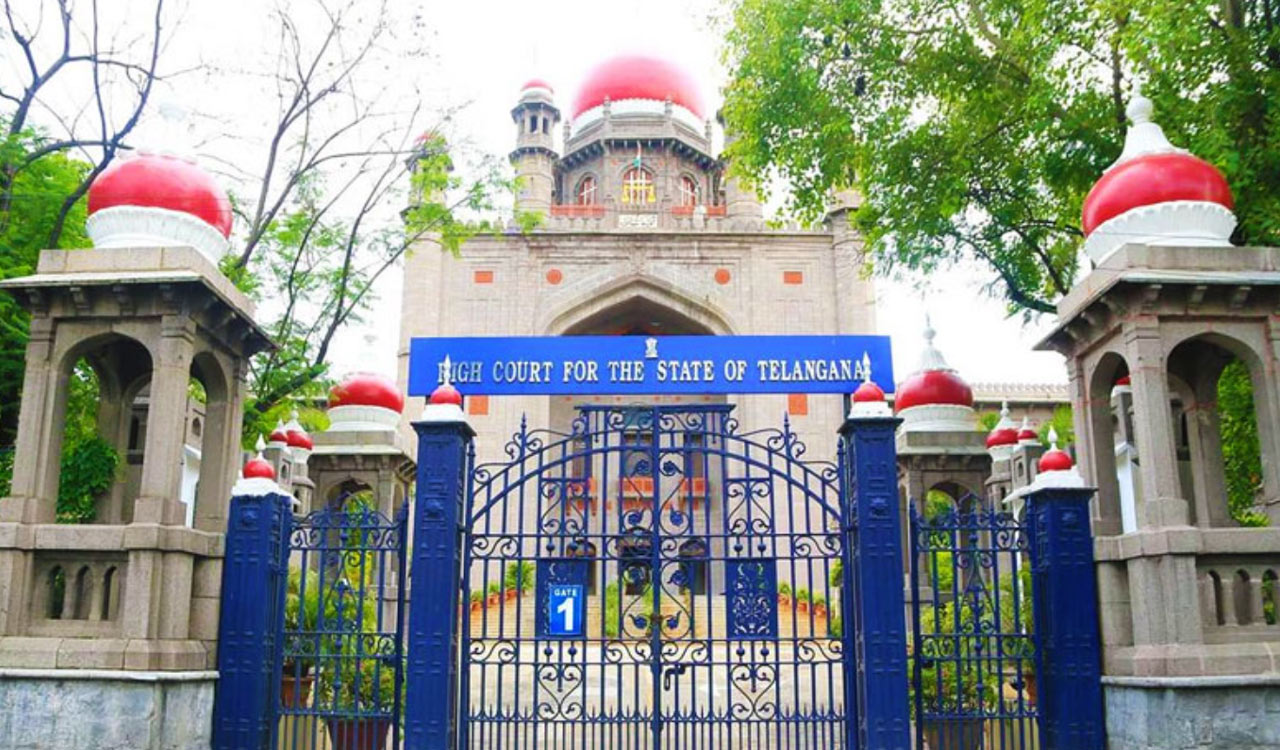
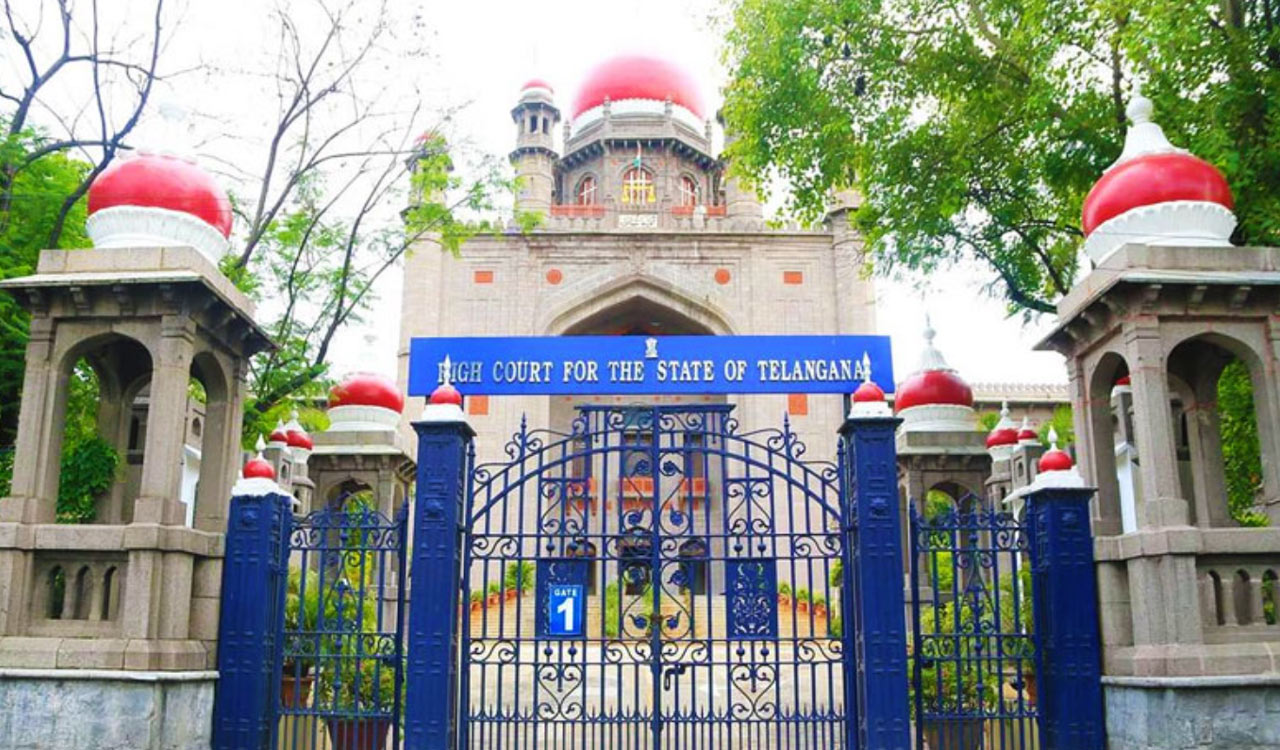
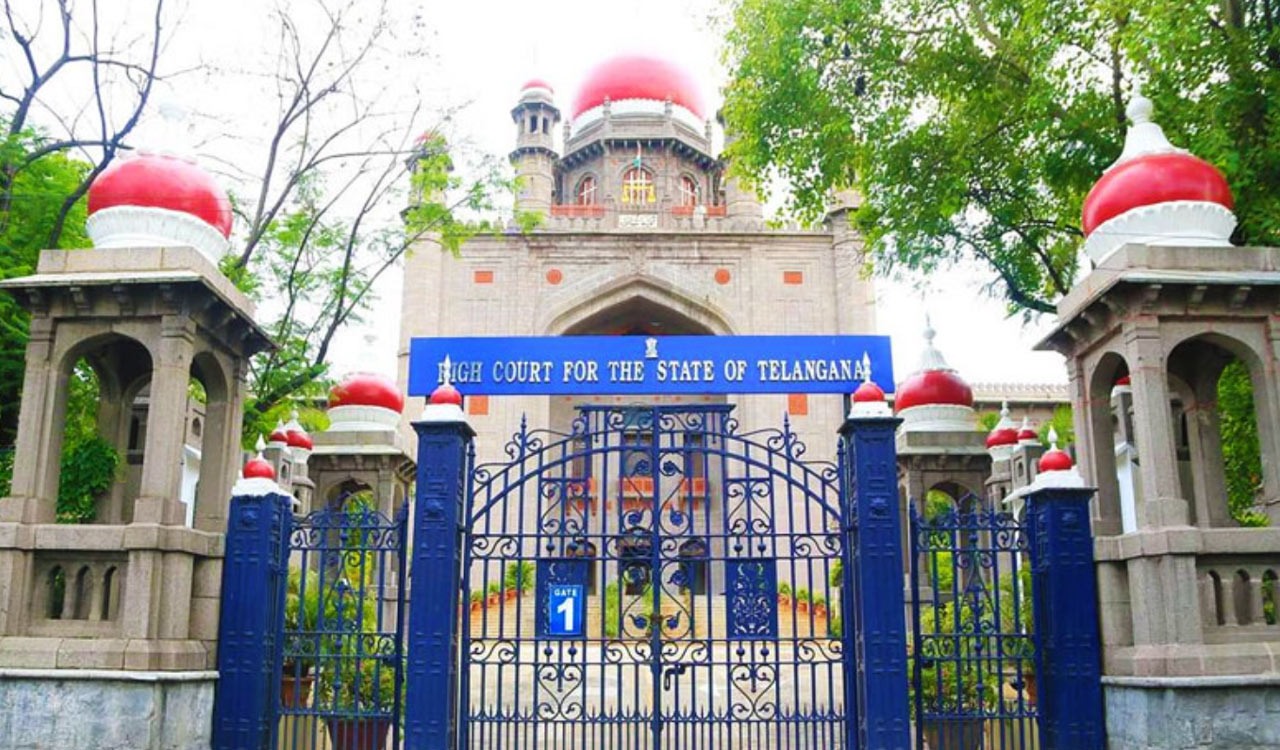
Telangana High Court Constitution Bench reserves verdict on NALA Act validity
The Telangana High Court Constitution Bench has reserved its verdict on petitions challenging provisions of the NALA Act and its amendments, including retrospective taxation, after hearing detailed arguments on legislative competence and the validity of the levy



By Legal Correspondent
Hyderabad: A five-judge Constitution Bench of the Telangana High Court on Wednesday reserved its verdict on a batch of writ petitions challenging the validity of certain provisions of the Non-Agricultural Land Assessment (NALA) Act, 1963, along with the amendments introduced through Act 8 of 1994. The Bench, comprising Chief Justice Aparesh Kumar Singh, Justice P Sam Koshy, Justice K Lakshman, Justice B Vijaysen Reddy and Justice N Tukaramji, heard elaborate arguments from both sides before reserving orders.
The petitions primarily question the constitutional validity of the levy imposed under the NALA Act, particularly the amendment to the Schedule which was given retrospective effect from July 1, 1993. The petitioners have sought a declaration that the impugned provisions are ultra vires the Constitution. Under the Act, non-agricultural lands are subjected to assessment based on their classification into categories such as industrial, commercial and other uses, with varying slabs of taxation. Senior Counsel G Vidya Sagar, appearing for the petitioners, contended that the State’s action in levying tax on the entire extent of land held by industries, irrespective of whether such land is actually put to industrial use, is arbitrary and unsustainable in law.
It was also brought to the notice of the Bench that the issue of legislative competence had earlier been examined, wherein the Supreme Court upheld the power of the State Legislature to enact the law. However, the matter was remitted to the High Court for reconsideration on aspects relating to the incidence and quantum of taxation.
The Constitution Bench, which held a special post-lunch sitting to hear the matter, concluded the hearing after detailed submissions by the petitioners as well as the Advocate General appearing for the State, and reserved the judgment.

Related News
-

Heera Group ponzi scam: ED completes registration of 7 properties auctioned in Hyderabad
-
Telangana High Court Hears Plea Against ECI’s SIR Voter Notice Process
-
Telangana High Court Reserves Order on IAS Officer Amrapali’s Cadre Allocation Plea
-
Bandi Sanjay’s son moves Telangana HC to restrain media, social platforms over POCSO case