Telangana PCB slaps show-cause notice on Heritage Foods over violations
The Telangana Pollution Control Board has issued a show-cause notice to Heritage Foods Limited in Shamirpet for allegedly discharging wastewater into a natural nala and causing air pollution. The company has also been directed to improve effluent treatment and wastewater management systems.
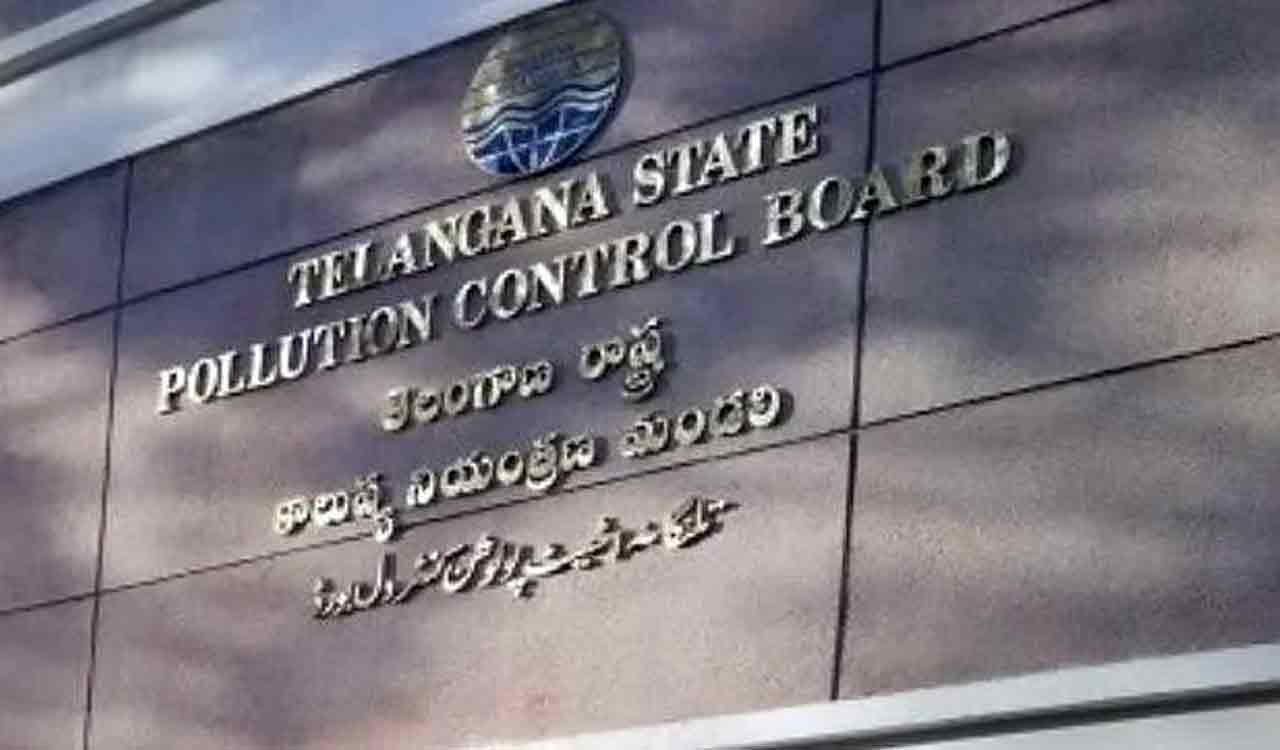


Hyderabad: The Telangana Pollution Control Board (PCB) has recently slapped a show-cause notice on Heritage Foods Limited in Jaggamgudem, Shamirpet, over several violations, including discharging wastewater into a natural nala and causing air pollution.
Board officials who recently inspected Heritage Foods Limited, which is engaged in milk processing and dairy operations, found that flexible pipelines had been laid into a natural nala located behind the industry. The inspecting team observed odour and sludge deposits where the flexible pipelines entered the nala, indicating that the industry was discharging wastewater into it.
Further, the officials noticed that while the effluent treatment plant (ETP) was in operation, the anaerobic digesters were not functioning effectively. Gas was not being generated from the digesters and the flare stacks were not lit, which violates the consent for operation (CFO) conditions, the notice said.
In addition, the team observed spillages in the ETP area and found that the industry was storing boiler ash in the open, causing air pollution. The industry, according to the notice, has not provided a proper pipeline network for using treated water for irrigation by installing meters to record the usage of treated water as per the CFO.
Meanwhile, the PCB Task Force Committee, which held a meeting with the industry representatives last month, directed them not to use any flexible or hose pipelines within the premises for the transfer of effluents or wastewater. Directions were also issued against any discharge or spillage of effluent within or outside the premises. The industry was also asked to repair all effluent-conveying pipelines.
The industry was instructed to regularly operate the ETP and use the treated wastewater for on-land irrigation within its premises. Instructions were also issued to install flow meters with a totaliser to measure the actual water consumption and the inlet and outlet flow of the ETP, and to maintain a log register to record the readings.

Related News
-

Hyderabad: Woman allegedly sexually assaulted after offer of domestic work
-
KTR congratulates Kaiteki Innovations founder on Vande Bharatam award
-
Hyderabad: 151 officer trainees complete first phase of IPS training
-
A mirror in space to turn night into day? Hyderabad-based Skyroot deal brings sci-fi closer to reality