Telangana Speaker’s dismissal of MLA disqualification petitions ignites debate over constitutional morality
Telangana Assembly Speaker Gaddam Prasad Kumar dismissed disqualification petitions against 10 BRS MLAs who joined Congress, citing lack of evidence. The decision has triggered political controversy, revived debate over the Anti-Defection law, and may lead to further legal and political challenges by the opposition.


Hyderabad: The dismissal of disqualification petitions against 10 MLAs who were elected on the BRS ticket but later joined the ruling Congress has triggered a major political controversy in Telangana, besides raising questions over the significance of the Anti-Defection law and the functioning of constitutional institutions in the State.
The controversy dates back to March 2024, when Khairatabad MLA Danam Nagender from the BRS became the first BRS legislator to join the Congress, followed by nine others over the next four months. The defections reduced the BRS’s strength in the Assembly from 39 to 29, while the Congress tally rose to 74, strengthening the ruling party’s position in the House.
The BRS filed disqualification petitions before Telangana Assembly Speaker Gaddam Prasad Kumar soon after the defections, pointing out a violation of Anti-Defection provisions. Additional petitions were submitted as more legislators switched loyalties. However, the matter remained pending for months, forcing the party to approach the High Court and later the Supreme Court.
In July 2025, the Supreme Court directed the Speaker to decide the petitions within a fixed time frame and also expressed displeasure over the delay, following which the Assembly Secretariat resumed hearings.
Between December 2025 and February 2026, the Speaker dismissed petitions against eight MLAs, citing a lack of evidence. The final hearings were held in the cases of Danam Nagender and Station Ghanpur MLA Kadiyam Srihari, which had drawn attention as one had contested the Lok Sabha election on a Congress ticket from Secunderabad Parliamentary constituency, while the other had openly campaigned for his daughter, who contested as a Congress candidate from Warangal Lok Sabha constituency in 2024.
Though the Speaker disposed of all the petitions citing lack of evidence, the decision in the last two cases drew criticism as both leaders had publicly associated with the ruling party. The Speaker delivered the verdict within the deadline fixed by the Supreme Court, but the verdict and the reasons cited have led to criticism that the process addressed the timeline without resolving the core issue of whether the defections violated the law.
Similar disqualification petitions were filed during the previous Congress regime in erstwhile Andhra Pradesh and later, during the BRS government after Telangana State formation. While the then Speaker ruled against the turncoat MLAs in the first instance, the merger of both the Congress Legislative Party and the TDP Legislative Party in the then BRSLP nullified the petitions. Thus, this would be the first time that the disqualification petitions were rejected on grounds of lack of evidence.
The episode also revived debate on the effectiveness of the Anti-Defection Act, which was enacted by former Prime Minister Rajiv Gandhi, to prevent elected representatives from changing parties after winning on a different symbol. The development gained wider political significance as the Congress, which had piloted the legislation at the national level, faced allegations that the same law had become ineffective in Telangana, that too due to the actions of the Congress itself.
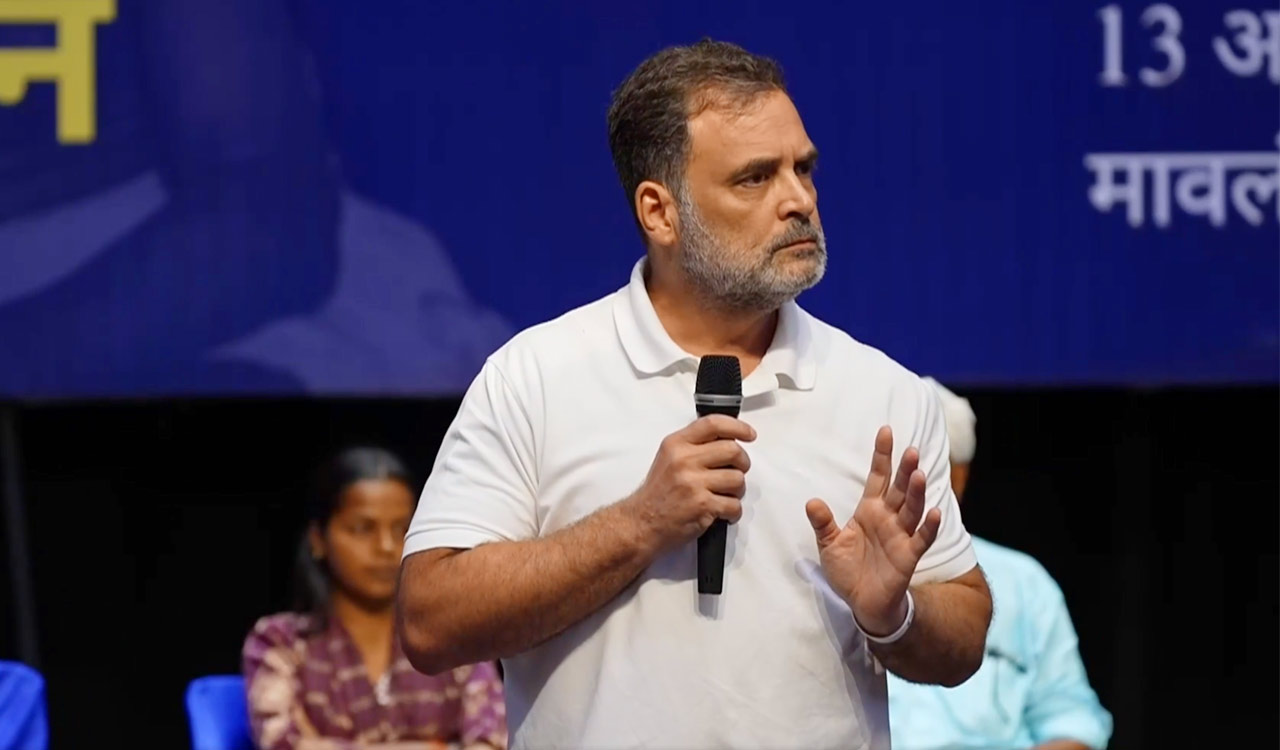
The silence of the Congress national leadership on the developments in the State has further added to the political heat. Congress Lok Sabha leader Rahul Gandhi, who walks around with the Constitution in his hands, claiming to be the saviour of democracy and criticising the BJP government for ignoring constitutional provisions, has not uttered a single word on his own Congress government encouraging defections in Telangana.
With all petitions closed, the ruling party secured numerical stability in the Assembly, but the issue is expected to continue politically, with the opposition likely to pursue legal remedies and raise the matter in public campaigns ahead of future elections.

Related News