Telangana targets 5 GW hyperscale data centre capacity by 2029: Sridhar Babu
IT Minister D Sridhar Babu said Telangana is targeting 5 GW of hyperscale data centre capacity by 2029 and around $30 billion in investment. Microsoft has opened its India South Central datacenter region in Telangana as the State expands its AI infrastructure ecosystem.
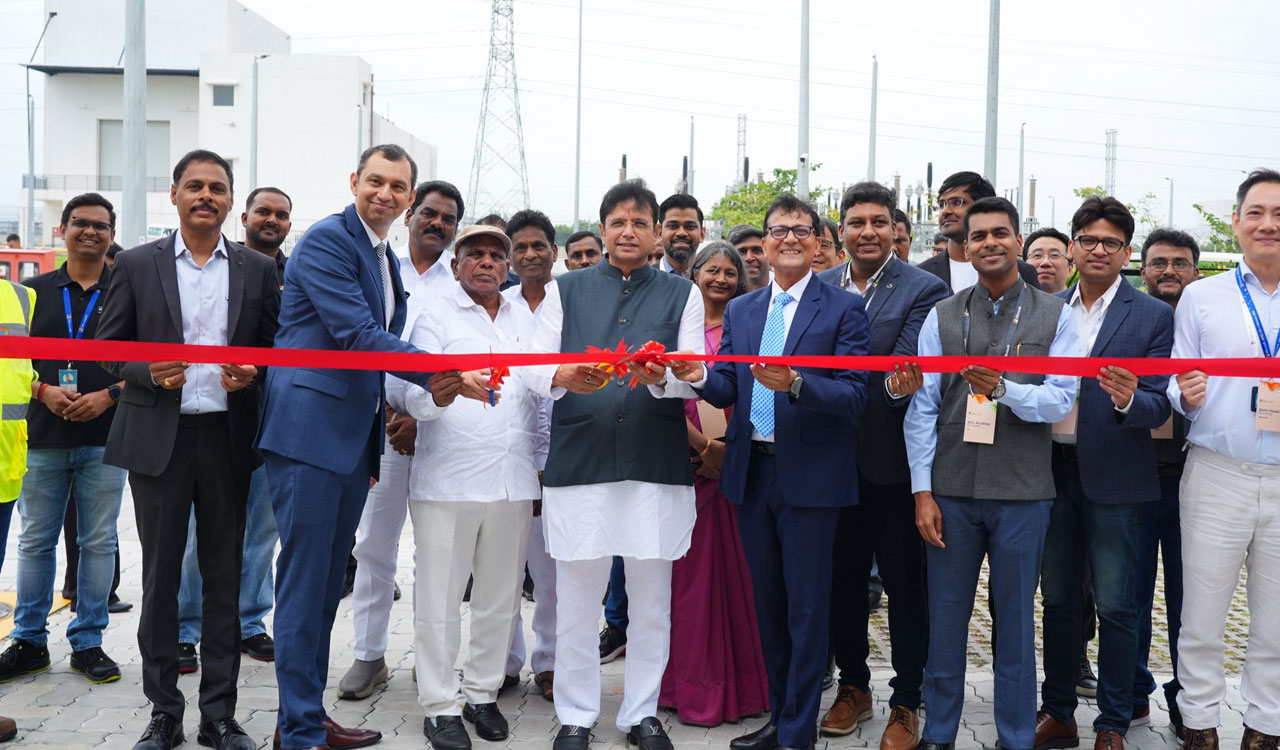


Hyderabad: Amid concerns being expressed over water and power consumption by data centres, IT Minister D Sridhar Babu said the Telangana government was targeting 5 GW of hyperscale data centre capacity by 2029.
He inaugurated Microsoft’s India South Central datacenter region here on Thursday. Microsoft opened its India South Central datacenter region in Telangana, with the region designated as a strategic hub for Asia and the Global South.
Addressing the occasion, Sridhar Babu said, “I am proud that Microsoft is helping build one of India’s most advanced technology clusters here. We are seeing strong investment in hyperscale and AI infrastructure, while global innovation centres and GCCs continue to grow rapidly.”
The Minister further said, “We are building on this foundation with an ambition for Telangana to reach 5 GW of data centre capacity by 2029 and attract around $30 billion in investment.”
Microsoft’s expansion comes as Telangana’s hyperscale and AI infrastructure ecosystem crosses a new scale, with more than 300 MW of data centre capacity already operational and 2 GW under development across Telangana.
Microsoft’s India South Central region also reflects a focus on responsible infrastructure. The region operates with effectively zero water use for cooling, while Microsoft is working with local partners on groundwater recharge, rainwater harvesting and watershed resilience, a press release said.
By June 2026, the Elikatta groundwater-recharge programme had added approximately five million litres of recharge capacity. Its community programmes around the Hyderabad datacenter region have reached more than 22,400 people, with initiatives spanning livelihoods, skills, governance and environmental sustainability, it added.

Related News