The Modern Corporate Traveller Is Changing Faster Than Companies Realize
The role of someone travelling for work used to be fairly straightforward. You followed a fixed itinerary, attended meetings, and returned. Today, that same person often has to manage multiple roles while on the move. They might be attending a client meeting in the morning, joining a virtual team call in the afternoon, and handling urgent emails late at night from a hotel room.


Business travel doesn’t look the way it used to, and anyone involved in corporate travel management can feel that shift without needing a report to confirm it. Trips are no longer just about getting from one meeting room to another. Employees now carry their work across time zones, manage virtual calls between flights, and often blend travel with remote work responsibilities. What used to be a structured, itinerary-driven process has become more fluid, sometimes unpredictable, and far more dependent on individual needs than rigid company rules.
At the same time, the scale of business travel hasn’t slowed down. In fact, Global business travel spending reached $1.48 trillion in 2024, according to GBTA, which says a lot about how deeply embedded travel still is in global operations. But the way people travel has clearly changed. Hybrid work, flexible schedules, and digital tools have reshaped expectations. Employees are not just traveling more thoughtfully, they’re expecting systems around them to keep up without adding friction.
How the Role of a Corporate Traveller Has Changed
The role of someone travelling for work used to be fairly straightforward. You followed a fixed itinerary, attended meetings, and returned. Today, that same person often has to manage multiple roles while on the move. They might be attending a client meeting in the morning, joining a virtual team call in the afternoon, and handling urgent emails late at night from a hotel room.
This shift has made travel less about movement and more about continuity. Work doesn’t pause during transit anymore. Instead, it stretches across locations, which means travelers are expected to stay productive regardless of where they are. That expectation brings flexibility, but it also introduces a layer of pressure that wasn’t as visible earlier.
Because of this, companies can’t treat travel as a simple operational task anymore. It has become an extension of the workplace itself, and that changes how it needs to be managed.
The Hidden Challenges Employees Face While Travelling for Work
From the outside, business travel often looks convenient, sometimes even appealing. But the reality for employees is usually more complex. Delayed flights, last-minute booking changes, unfamiliar locations, and tight schedules can quickly turn a well-planned trip into a stressful experience.
There’s also the mental load that comes with being constantly connected. Employees are expected to stay responsive while dealing with travel fatigue, time zone differences, and logistical uncertainties. Over time, this can affect both productivity and overall well-being.
These challenges often go unnoticed because they don’t always show up in reports or expense sheets. But they do impact how effectively a trip achieves its purpose, which is something companies are slowly starting to recognize.
Why Traditional Booking Approaches No Longer Work
Many organizations still rely on older booking systems or fragmented processes where employees handle parts of their travel independently. While this might have worked when travel was more predictable, it doesn’t hold up well in today’s environment.
Travel plans now change more frequently, and employees need quick adjustments without going through long approval chains. Traditional systems, which are often rigid and slow, end up creating delays instead of solving problems.
This mismatch between expectation and reality can lead to inefficiencies. Employees might choose convenience over policy simply because the official process is too time-consuming, which creates gaps in visibility and control for the organization.
Balancing Cost, Comfort, and Productivity
There’s always been a focus on controlling travel costs, but reducing expenses alone doesn’t guarantee better outcomes. If a trip saves money but leaves the employee exhausted or unprepared, the overall value of that travel becomes questionable.
Firms are now trying to strike a balance between cost efficiency and employee comfort by using the services of corporate travel management companies. This doesn’t mean overspending, but it does mean understanding that productivity is closely tied to how smoothly a trip is managed.
When employees have access to better options, clear information, and fewer disruptions, they tend to perform better during their trips. That, in turn, makes the investment in travel more meaningful.
Where Businesses Start Losing Control Without Realizing It
Control in business travel isn’t just about approvals or budgets. It’s also about visibility. When employees start booking outside official systems or making last-minute arrangements on their own, companies lose track of what’s actually happening on the ground.
This often happens unintentionally. If internal processes are slow or complicated, employees naturally look for faster alternatives. Over time, this creates fragmented data, making it difficult for companies to understand spending patterns or optimize future travel plans.
What’s tricky is that this loss of control doesn’t happen all at once. It builds gradually, making it harder to detect until inefficiencies become too obvious to ignore.
Around this point, the modern corporate traveller is no longer just following company guidelines but actively navigating around them when those guidelines don’t match real-world needs.
How MyBiz Fits Into Modern Corporate Travel Needs
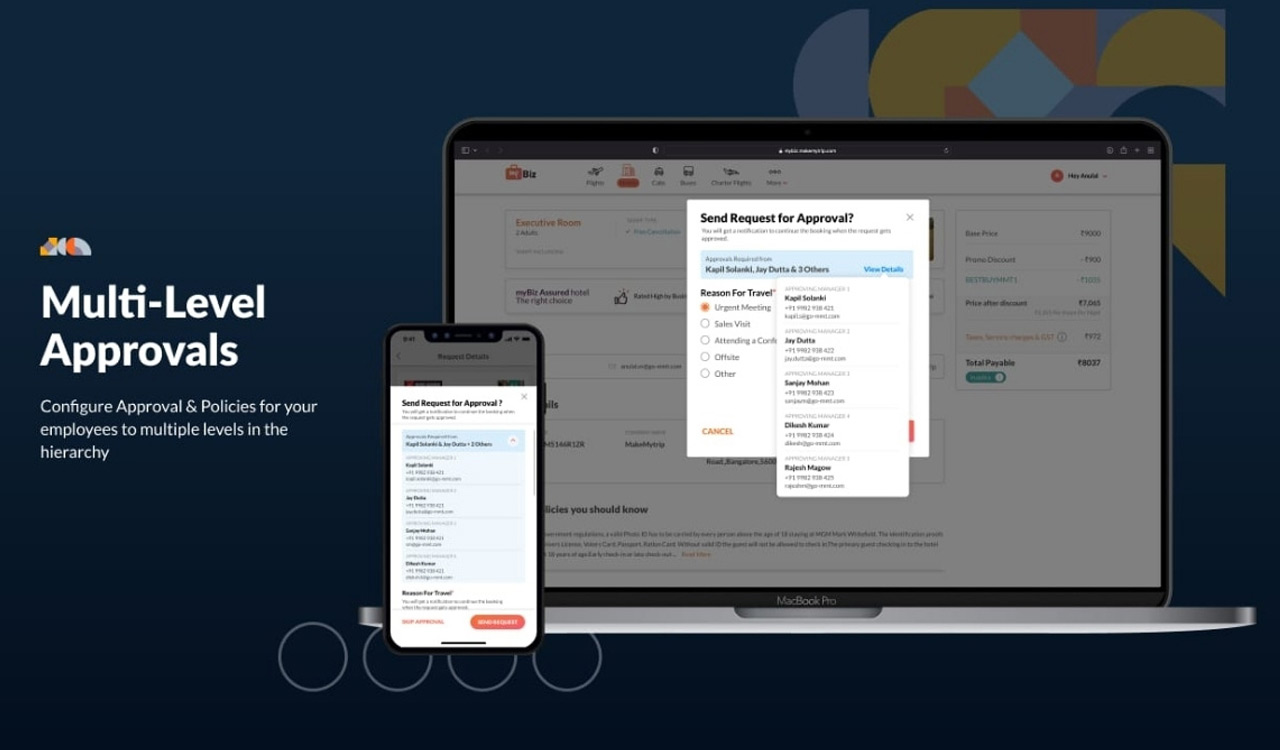
Platforms like MyBiz are designed with this shift in mind. Instead of forcing employees to adapt to rigid systems, they aim to make travel management more flexible while still maintaining structure in the background.
By bringing bookings, approvals, and expense tracking into a more unified system, MyBiz helps reduce the friction employees usually face. It also gives companies better visibility without making the process feel restrictive.
The idea is not to control every step, but to create an environment where employees can make decisions quickly while staying aligned with company policies. That balance is what modern travel management really requires.
Rethinking Travel as a Business Function, Not Just Logistics
One of the bigger shifts happening right now is how companies view travel itself. It’s no longer just a logistical requirement. It’s part of how business relationships are built, maintained, and expanded.
This means travel decisions need to be more intentional. Instead of focusing only on cost or convenience, companies are starting to look at outcomes. Was the trip necessary? Did it achieve its purpose? Could it have been managed better?
When travel is treated as a strategic function rather than a routine task, it naturally leads to better planning, smarter spending, and improved experiences for employees.
Conclusion
Business travel isn’t becoming less important, but it is becoming more complex. Companies that recognize this shift early tend to adapt better, while others struggle with outdated systems and processes. The focus now needs to move beyond simple bookings to creating smoother, more responsive travel experiences. When that happens, both employees and organizations benefit in ways that go far beyond the trip itself.

Related News