The Most Common Mistakes That Can Lead to Traffic Penalties in Hyderabad
Hyderabad’s traffic enforcement increasingly relies on cameras and digital challans. Motorists can reduce penalties by obeying signals, wearing helmets, avoiding phone use and wrong-side driving, maintaining valid documents, updating registration contact details, and checking or disputing challans through official channels
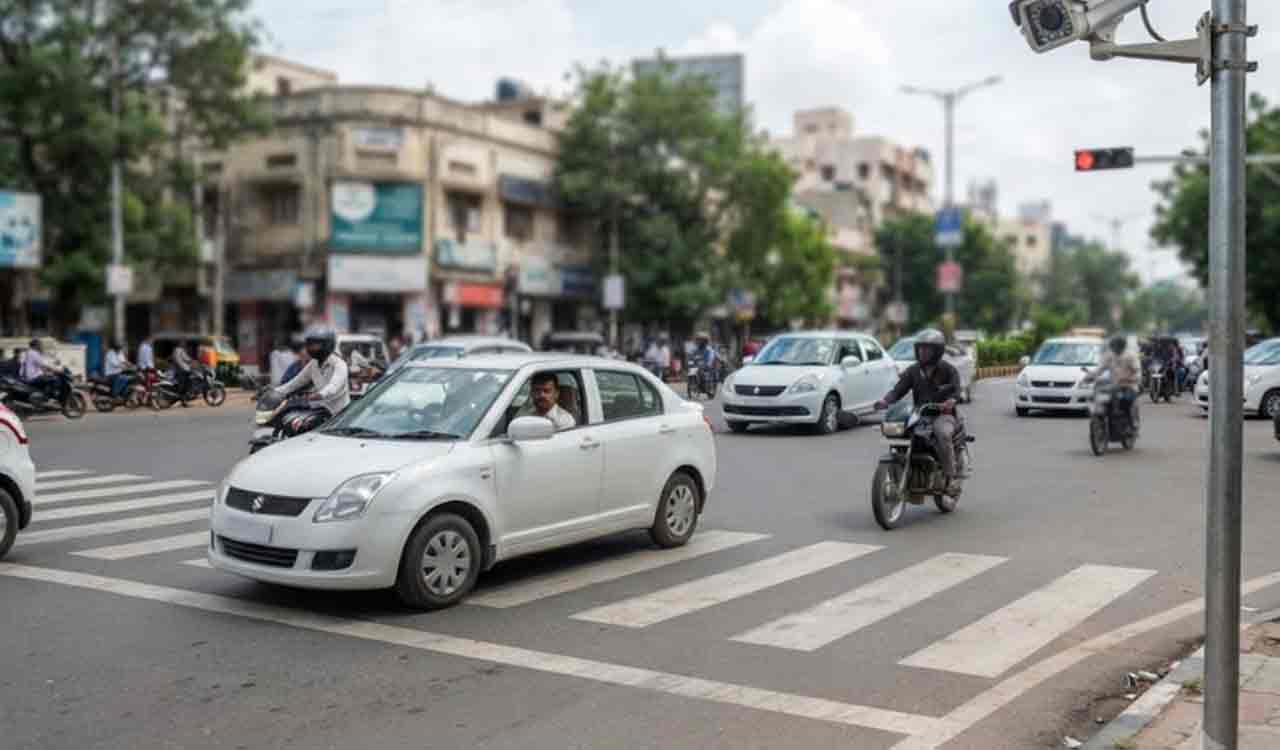


Hyderabad catches drivers differently from most other Indian cities. There is less physical flagging down at junctions and far more silent camera surveillance. A rider might jump a stop line at Punjagutta, keep going and assume nothing happened. Then later, a text message arrives, notifying a traffic challan. Many drivers can miss those notifications due to various reasons, and that is exactly why so many drivers repeat the same errors without ever connecting the cause to the consequence.
How the city actually catches violations
Enforcement here runs largely on an Integrated Traffic Management System utilising automated number plate recognition. High-definition cameras at major intersections like the Jubilee Hills Check Post or Cyber Towers capture the registration plate, timestamp the frame and match it against the database held by the transport department. An officer then reviews the image and confirms the violation type. Following this review, a challan is generated against the registered owner of the vehicle, not necessarily the person who was sitting in the driver’s seat.
That last detail matters more than most people realise. If you lend a car to a friend for the weekend, any penalty still sits legally against your name. Furthermore, the alert goes directly to the mobile number linked to the registration certificate. If that number changed years ago and was never updated with the Regional Transport Authority, the digital notice exists but never actually reaches anyone.
Drivers who understand the Hyderabad traffic police e challan rules before contesting a notice tend to have a much easier time. The administrative process does allow for a review when the photographic evidence is genuinely incorrect, whether that involves a misread number plate or a duplicate system entry for a single incident.
The errors that repeat the most
Most violations in the city are not dramatic acts of reckless driving. They are small habits repeated daily until they accumulate into significant fines. Common infractions include:
- Creeping past the stop line while waiting for a green signal. Cameras read the front bumper position against the painted line, completely ignoring driver intent.
- Pillion riders without helmets. Often, the rider covers their own head but neglects the safety of the person sitting behind them.
- Using a mobile phone at a traffic signal. Being stationary still counts as driving under the law.
- Taking the wrong side on service roads to shave a few hundred metres off a journey.
- Speeding on the Outer Ring Road, where wide open tarmac makes speed limits feel optional.
- Parking in restricted zones near Ameerpet, Abids and Begum Bazaar during peak hours, where enforcement teams maintain strict vigilance.
There is also the paperwork category. Expired insurance, a lapsed pollution certificate or an invalid fitness document for commercial vehicles usually surface during physical checks rather than camera sweeps. A single physical stop for one expired document often triggers a full digital review of everything else in the vehicle record.
Why ignoring a challan costs more later
Unpaid challans do not quietly expire. They stack up over time. The real issue is when that accumulated stack finally causes administrative friction. This usually happens at the worst possible moment, such as a transfer of ownership held up by pending dues or an enforcement drive where an officer runs a plate check and escalates the stop entirely.
Some owners wait for a Lok Adalat settlement drive, hoping for a massive penalty reduction. While the Telangana police do occasionally offer substantial discount windows, relying on them is a risky strategy. The timing of these drives is entirely unpredictable. Waiting months for a waiver means your vehicle carries pending legal dues, which can cause severe complications if you are involved in a collision and the attending officer checks your history.
Checking records regularly is the simpler route. Owners who pay traffic challans online tend to catch small amounts early rather than discovering a massive list during a resale negotiation. This matters immensely in the used vehicle market. A buyer taking delivery of a second-hand hatchback inherits every unpaid challan attached to that registration number unless the transfer is completed cleanly beforehand. Vehicle transactions frequently collapse at the last minute over precisely this issue.
Fixing the habit rather than just the fine
You should update the mobile number and address linked to the registration certificate immediately so that notices actually reach you. Set calendar reminders for insurance and emissions renewals rather than relying on memory. Finally, keep a spare helmet accessible for pillion riders instead of hunting for one at the last minute.
Two-wheeler riders require a specific warning here. Signal jumping, riding on footpaths and squeezing through wrong-side gaps are incredibly easy frames for a high-definition camera to capture. None of this requires driving nervously. It mostly requires accepting that in modern Hyderabad, traffic police no longer need to physically stop a vehicle to record exactly what the driver did.

Related News