The Truth About Jaggery: Is It Better Than Sugar?
Jaggery, often seen as a healthier alternative to white sugar, retains trace minerals due to less processing. However, it is still sugar, with similar calories and health risks. Moderation is essential, as replacing sugar with jaggery does not automatically make a diet healthier.
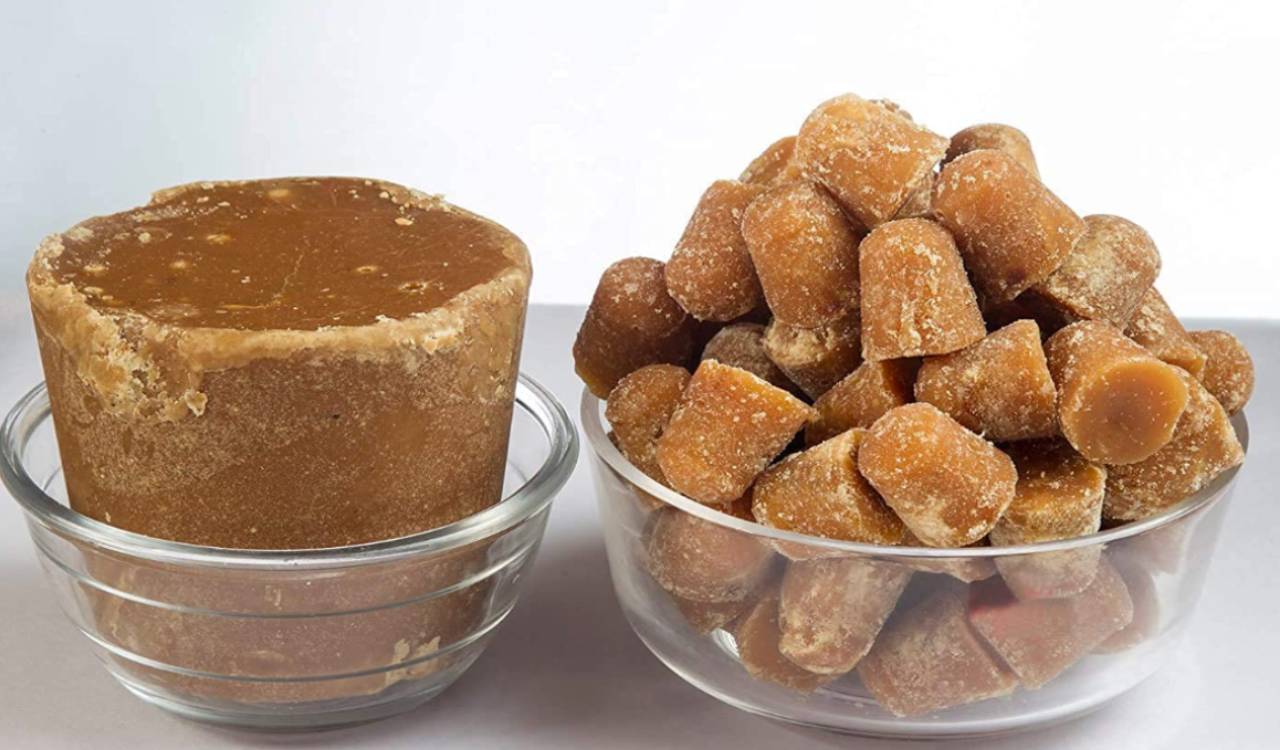


Jaggery vs Sugar: Whether it’s stirred into tea, added to sweets or eaten as a post-meal treat, jaggery has long been a staple in Indian kitchens. In recent years, it has also earned a reputation as a ‘healthier’ alternative to white sugar. But is it really the better choice?
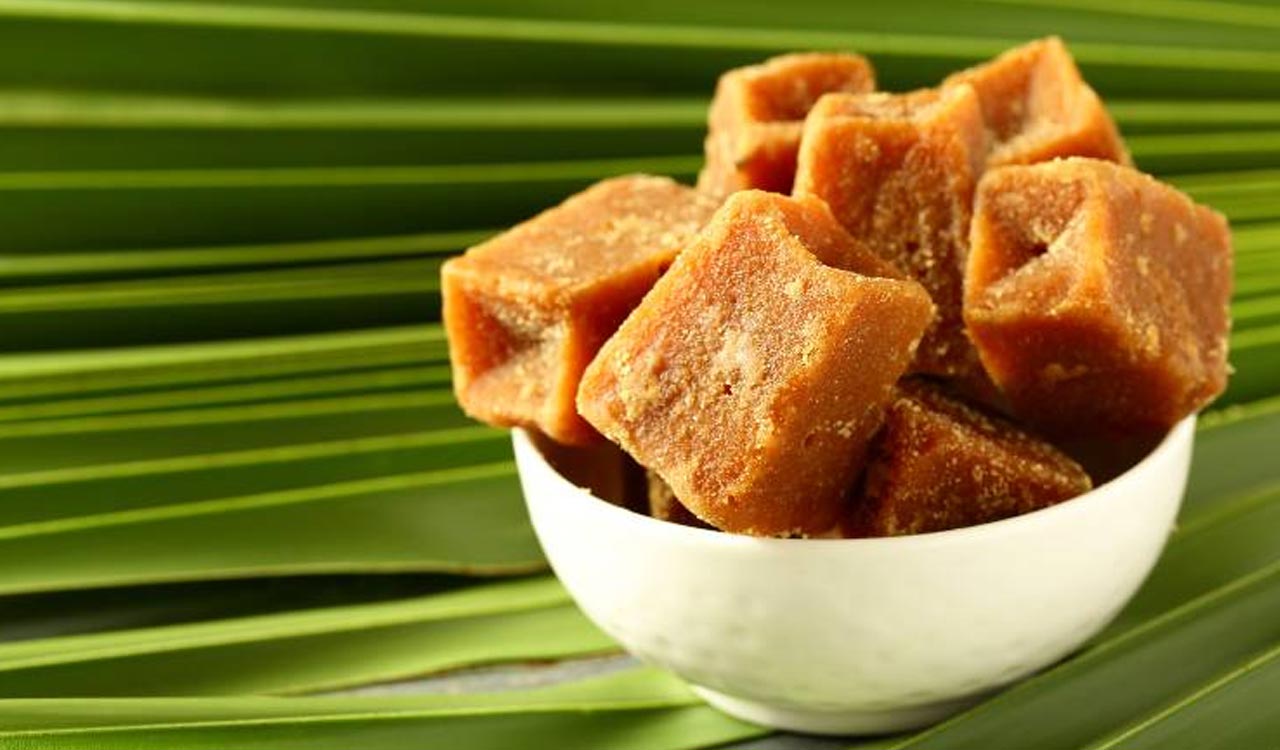
Jaggery is made by boiling sugarcane juice or palm sap until it solidifies, while white sugar goes through a more refined process. Because it is less processed, jaggery retains small amounts of minerals such as iron, calcium and potassium. However, these nutrients are present in relatively small quantities and shouldn’t be relied upon to meet your daily nutritional needs.
The biggest misconception is that jaggery is sugar-free. In reality, it is still a form of sugar and contains nearly the same amount of calories as white sugar. Eating too much jaggery can still contribute to excess calorie intake and cause blood sugar levels to rise.
That doesn’t mean it has no place in a healthy diet. If you’re choosing between the two, jaggery may be the better option because it is less refined and contains trace minerals. But moderation remains the key.
Whether you sweeten your tea with sugar or jaggery, the healthiest approach is to limit added sugars overall. After all, replacing one sweetener with another doesn’t automatically make a diet healthier, it all comes down to how much you’re consuming.

Related News