Ties with India to remain strong regardless of Israel poll results: Political analyst
India-Israel ties are expected to remain strong regardless of Israel’s election outcome, analyst Alec Pollard said, citing defence and technology cooperation and Narendra Modi’s rapport with Benjamin Netanyahu. Key electoral issues include October 7 security failures, military exemptions and Israel’s international isolation
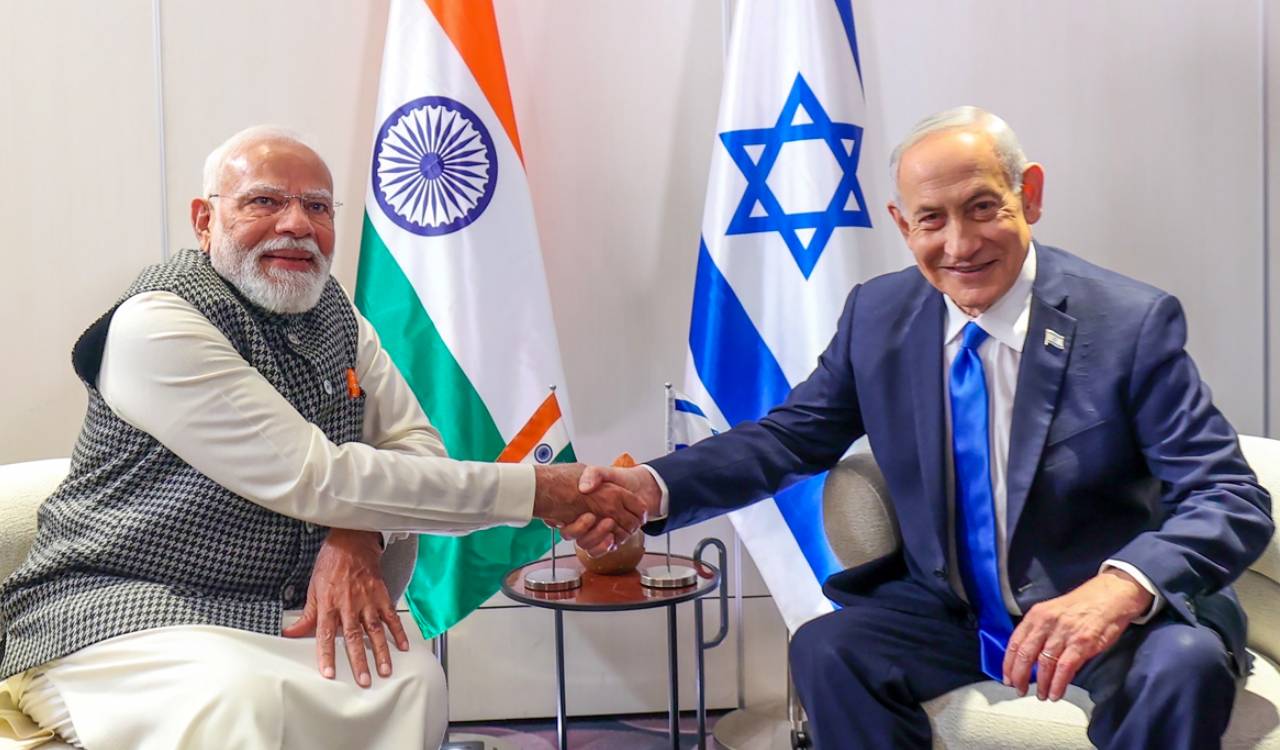


Tel Aviv/New Delhi: Strong ties between India and Israel are likely to remain unaffected by the outcome of the upcoming Israeli elections, with Prime Minister Narendra Modi’s close personal relationship with his Israeli counterpart Benjamin Netanyahu and growing cooperation in defence and technology underpinning the partnership, Israeli author and political analyst Alec Pollard has said.
“Whoever wins the election, Israel and India will continue to be good friends and to be close,” the Israeli author told PTI Videos, adding that the relationship is highly valued by Israel.
He said that a change in leadership could, however, bring a new dimension to bilateral ties, with a new prime minister’s ability to establish a rapport with Prime Minister Modi remaining a key factor.
The Israeli elections, scheduled to be held on Tuesday, are expected to be closely contested, with Netanyahu facing questions over the October 7 Hamas attack, exemptions from compulsory military service for the ultra-Orthodox Jewish community, and concerns over Israel’s international isolation.
Pollard said the October 7 Hamas attack, widely seen in Israel as a major security and intelligence failure, had emerged as a key electoral issue, with many holding Netanyahu responsible.
“Netanyahu has been trying to sort of offload that blame onto the security establishment, onto the intelligence establishment, even his political rivals,” he said.
But he is taking credit for some of the military successes that Israel has had since the Hamas attack, the author noted.
“So the question is, will Israel believe that version or not? And that’s going to be quite crucial because a lot of people have been personally burned by this,” Pollard added.
He said Netanyahu’s opponents have criticised exemptions from military service for ultra-Orthodox Jews, while reservists face repeated deployments.
“Equal conscription of everybody is a major focus. Those who don’t serve shouldn’t be able to benefit from the welfare state. But the issue is more about the ultra-Orthodox because they’re core members of Netanyahu’s coalition,” Pollard highlighted.
The analyst also flagged the unresolved debate over a national commission of inquiry into the October 7 attack and Netanyahu’s proposed judicial reforms as significant issues for Israeli voters.
He said while “Netanyahu has projected himself as a leader willing to withstand international pressure”, the opposition has argued that his far-right coalition partners have contributed to Israel’s growing isolation.
The election outcome would not bring major changes to Gaza policies, Pollard further stated, adding that Israel cannot afford to return to the security conditions that prevailed before October 7.
“There was a ceasefire deal with US President Trump, which said that the hostages will be returned. That did happen, and Hamas will disarm. That did not happen. So as far as Israel is concerned, essentially that conflict is not over,” he underlined.

Related News
-

PM Modi congratulates Brazil’s Lula on ‘remarkable’ win, says looking forward to deepening ties
-
12th BRICS Parliamentary Forum to be inaugurated in Parliament House complex today
-
PM Modi arrives in Kashi, to attend Air Force Day show along with Defence Minister
-
PM Modi praises U’khand villagers for reviving Heval, calls for efforts to maintain cleanliness