Editorial: Spurt in Kashmir violence — no room for complacency
Fresh terror attacks in Kishtwar and Kulgam expose the fragile security situation in Jammu and Kashmir, serving as a stark reminder that the threat of terrorism remains far from over
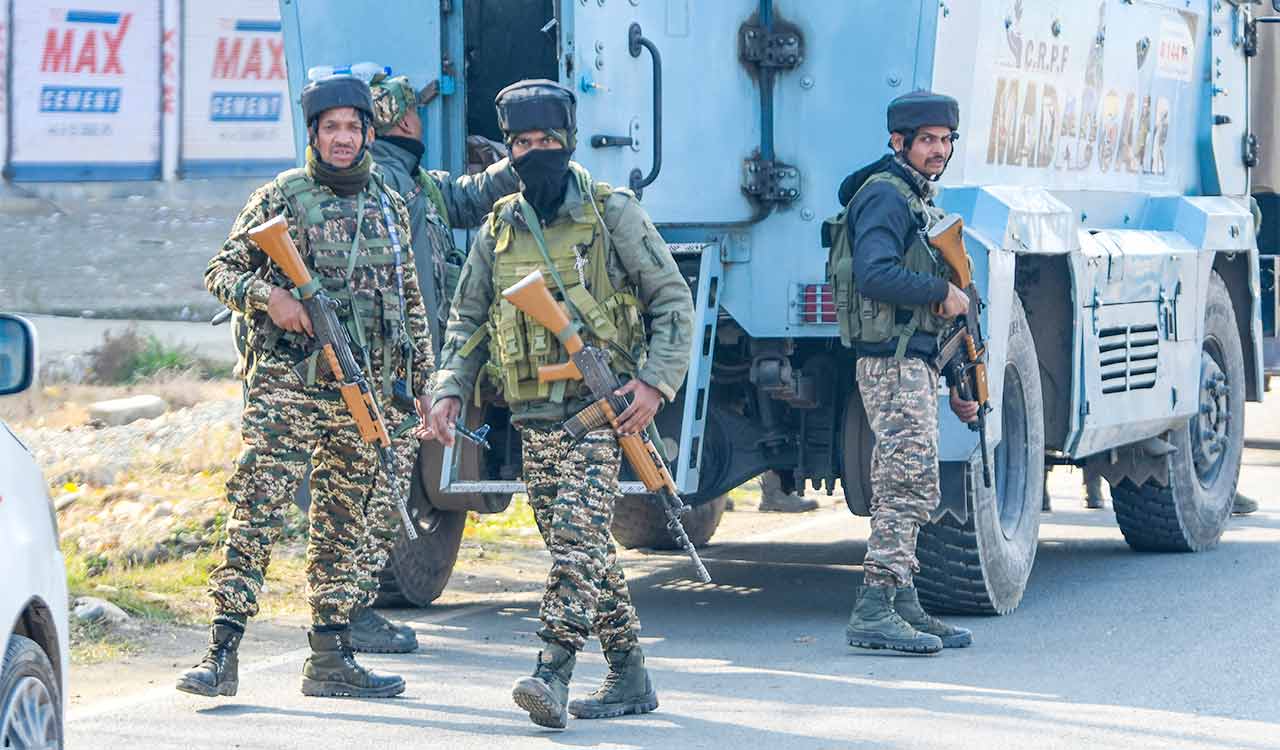


The recent spurt in terror attacks has exposed the precarious security situation in Jammu and Kashmir. The killing of two Special Police Officers (SPOs) in Kishtwar and the attack on a CRPF post in Kulgam within 24 hours of each other serve as a disturbing reminder that terrorism continues to threaten the region. This punctures the government’s repeated claims of normalcy and lasting peace. The bullet-riddled bodies of the SPOs were found a day after they went missing, while the firing on CRPF personnel left three of them injured. This wake-up call for security and intelligence agencies comes a year after a car blast claimed 11 lives near the Red Fort in the national capital. The audacity and precision of the latest attacks suggest that militants retain the capacity to strike at will when an opportunity presents itself. Significantly, both attacks targeted security personnel rather than innocent civilians. There should be no compromise on strengthening security and intelligence-gathering mechanisms. If at all there is any sense of smugness among the security establishment that militancy is on the retreat, the latest incidents should dispel it. The militants are familiar with the terrain and are apparently capable of moving about without attracting suspicion. The Centre must move beyond rhetoric and ensure effective intelligence-gathering, stronger security arrangements, and coordinated counter-terrorism operations. While strengthening the security apparatus is essential from the perspective of ground operations, it is equally important for governments to address the concerns of local communities.
Residents of remote areas such as Dachhan, Marwah, and Warwan must be encouraged to cooperate with security agencies without fear or intimidation. Their safety, trust, and participation are essential for defeating terrorism. An excessive reliance on surveillance and combing operations, without an equally robust network of informers and intelligence gathering, can prove counter-productive. The security forces must review their methods and identify the weaknesses that enabled the attackers to strike. Equally important is the need to take ordinary people into confidence. Security cannot be sustained merely through the presence of armed personnel; it requires the cooperation of the local population. People must feel that the administration is responsive to their concerns and that their lives and dignity matter. Alienating them through excessive force or treating the entire population with suspicion will only widen the gulf between the government and the governed. More broadly, people strongly yearn for the restoration of statehood, as promised by the Centre. The prolonged delay has neither strengthened democratic institutions nor brought tangible benefits to the people. Instead, it has deprived them of an elected government with meaningful powers and left crucial decisions in the hands of the Lieutenant Governor. It is time to restore the State’s unified status and give its people a genuine stake in their governance. An elected government, accountable to the legislature, is indispensable to rebuilding public confidence.
Also Read

Related News