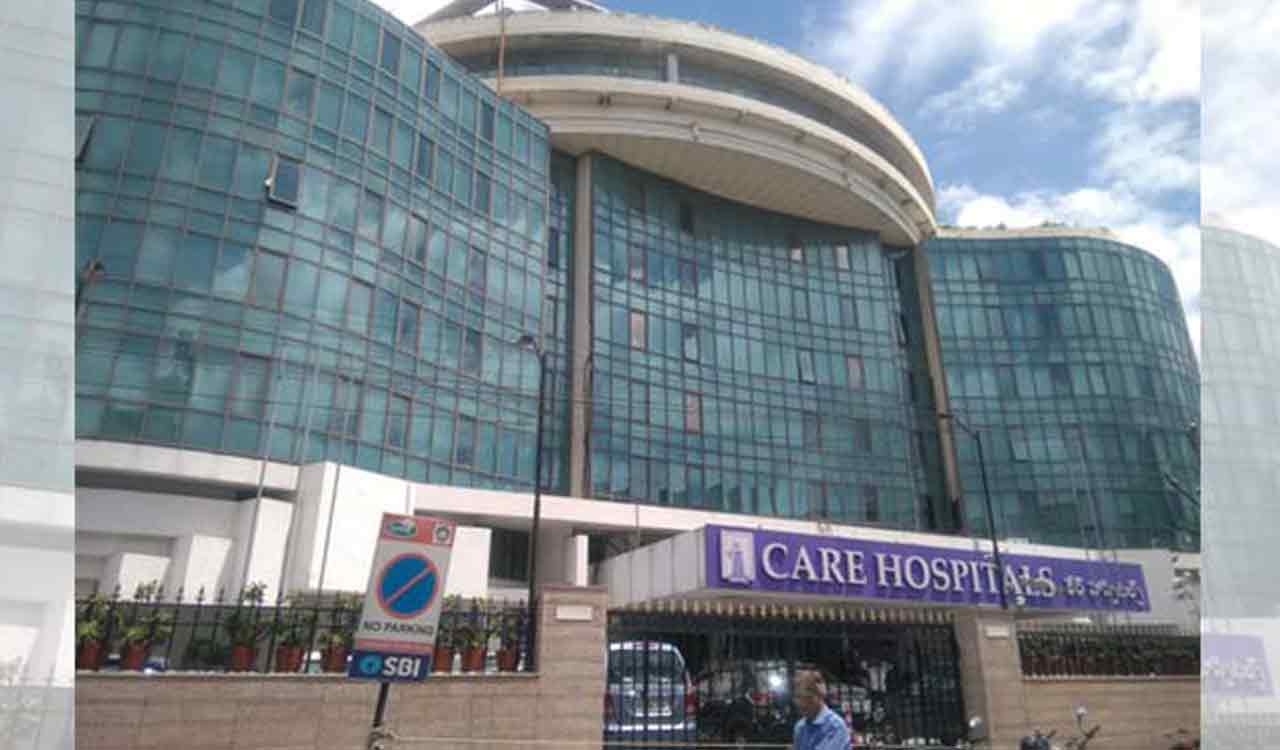
Tomato prices more than double in Hyderabad in a fortnight
Tomato prices in Hyderabad have more than doubled in a fortnight, reaching Rs 50 a kg in roadside markets and around Rs 60 in supermarkets. Farmers cite heat, water shortages and crop damage, while vendors report reduced supplies and higher procurement costs.
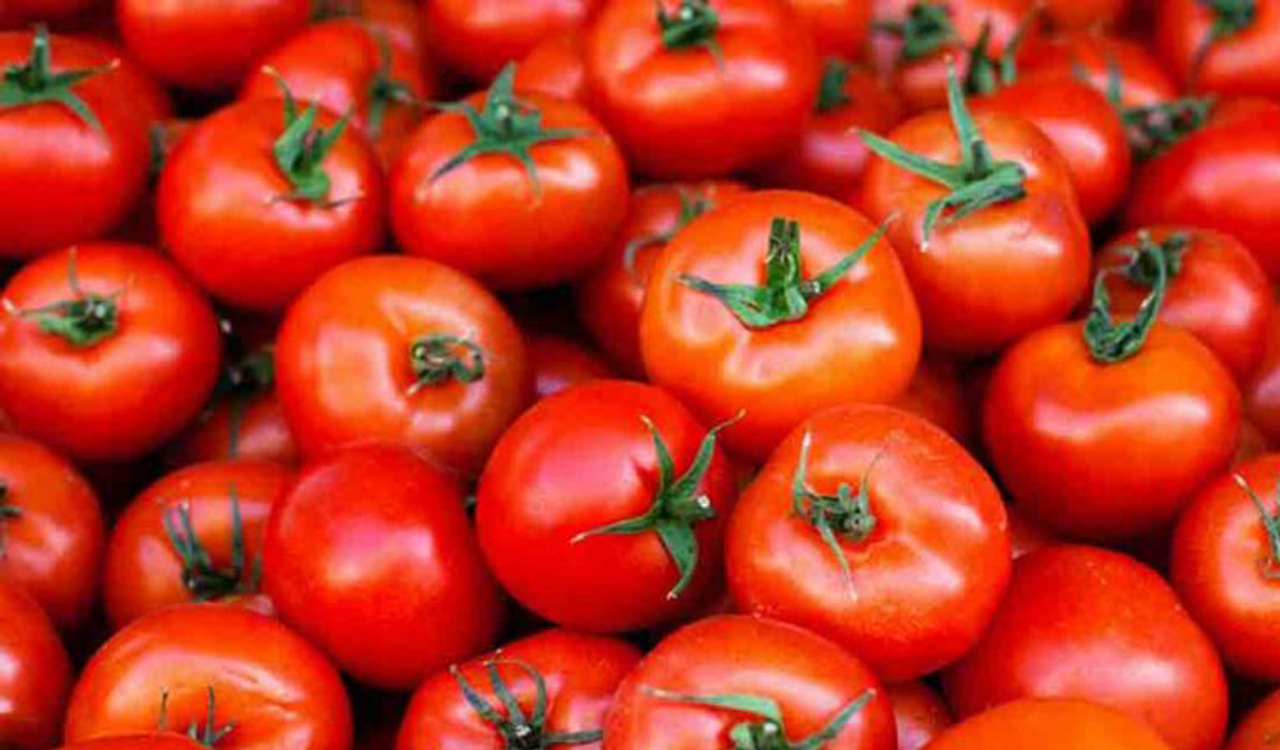


Hyderabad: Tomato prices have more than doubled in Hyderabad over the past fortnight, with the vegetable selling for Rs 50 a kg in roadside markets and around Rs 60 a kg in supermarkets, as heat, crop damage and water scarcity have hit supplies from major growing areas.
A fortnight ago, tomatoes were selling for around Rs 20 per kg in roadside retail markets and Rs 35 per kg in supermarkets. The sharp increase has added to household expenses, while vegetable vendors say reduced arrivals and higher procurement costs have left them with little choice but to raise prices.
The city receives a substantial portion of its tomato supplies from Ranga Reddy and Vikarabad districts. However, farmers in these areas have reported lower yields due to adverse weather conditions, inadequate rainfall and a shortage of water for irrigation.
Balakrishna, a farmer from Amangal in Ranga Reddy district, said prolonged heat had affected the crop and reduced yields. “The temperatures have been unusually high, and the plants have suffered damage. With little rain and inadequate water, the crop has not developed as expected. We are harvesting less than what we anticipated,” he said.
Monaiah, a farmer from Kadthal in Ranga Reddy district, said water shortages and crop damage had compounded the problems faced by tomato growers.
“Tomato cultivation requires regular watering, but water availability has been poor. The heat has damaged the plants, and the lack of sufficient rain has worsened the situation. The yield has come down, and we are unable to bring the usual quantity of tomatoes to the market,” he said.
A vegetable vendor in Hyderabad said supplies had fallen even as wholesale prices increased. “We are getting fewer tomatoes than before, and the rates at which we buy them have increased sharply. We cannot sell at the old prices when procurement costs are high. Customers are buying smaller quantities or avoiding tomatoes altogether,” the vendor said.
Market stakeholders have attributed the price rise partly to unusually high September temperatures in key tomato-growing areas, where mercury reportedly touched 38 degrees Celsius against a normal of around 30 degrees Celsius.
The heat stressed plants and damaged crops, while water shortages affected yields and fresh arrivals. Below-normal night temperatures have also been cited among the factors affecting the crop.

Related News