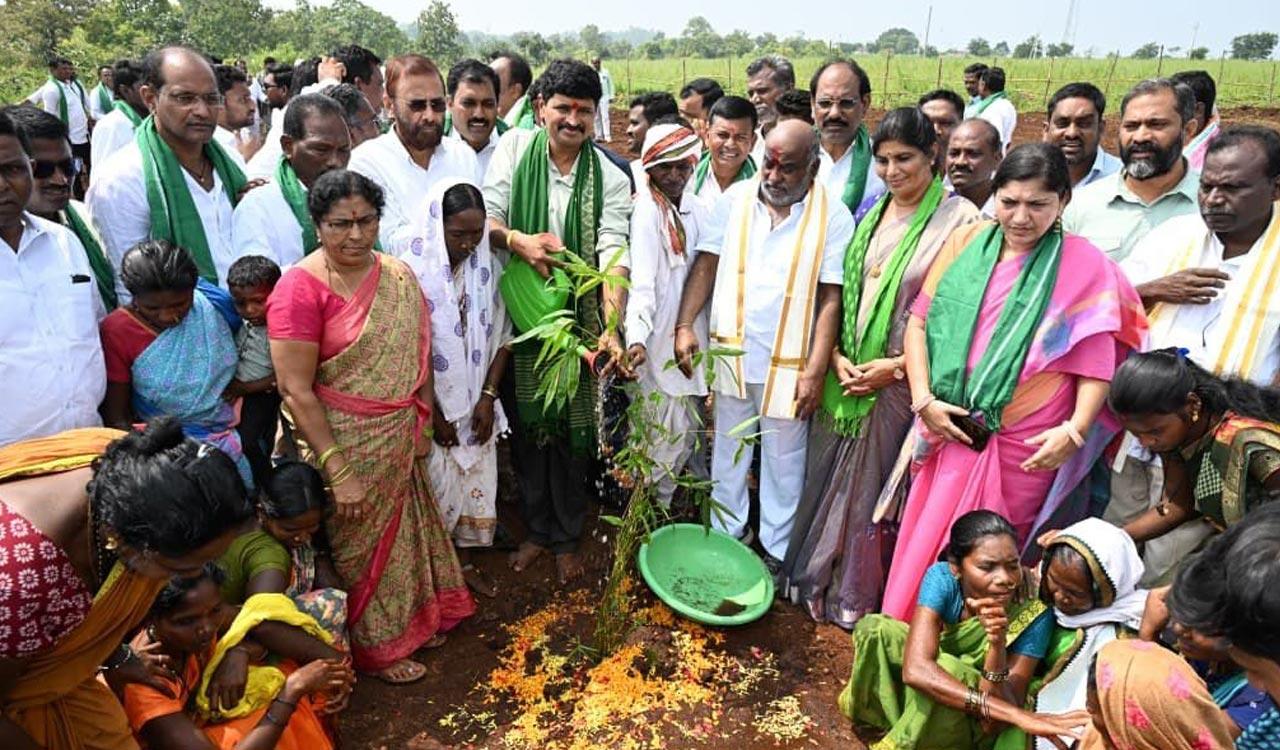
Tribal communities in 10 Adilabad villages ban dowry, lavish weddings
Tribals from about 10 villages in Adilabad district have voluntarily banned the dowry system and extravagant weddings. Members of the Kolam community passed a resolution encouraging simple marriages to reduce the financial burden on families and revive traditional tribal practices
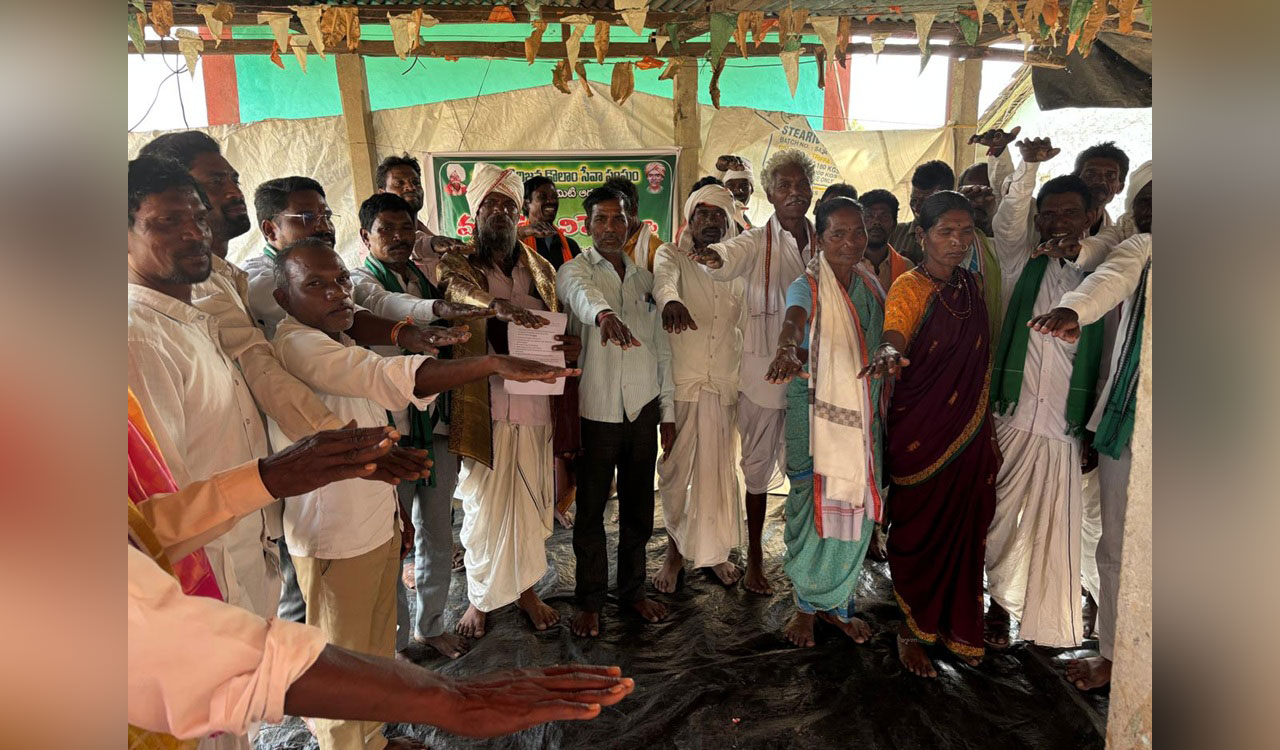


Adilabad: Tribals from about 10 villages in different parts of Adilabad district have voluntarily banned the dowry system and extravagant weddings in their villages, setting an example by shunning the practice and reducing the financial burden on brides’ families. A resolution to this effect was passed by members of the Kolam community at a recent meeting.
Members of the Kolam tribe residing in New Temriguda, Sahajdubbaguda and Junnapani in Sathnala mandal; Hattighat and Tippa in Adilabad Rural mandal; Pohar, Masala (K), Maruthiguda and Dubbaguda (M) in Bela mandal; and Arjuni in Gadiguda mandal took an oath that they would neither accept dowry nor conduct lavish weddings. The decision was taken under the aegis of community leaders during a wedding held at New Temriguda on Friday.
Kodapa Sone Rao, State president of Kolam Sangham Association, and Govind Rao, district president, who administered the oath, said financially weak tribal families were falling into debt due to dowry and lavish wedding functions. They stated that at least five marriages had been conducted without dowry and without lavish arrangements in the last fortnight. They expressed hope that the trend would soon spread to other villages as well. Among the resolutions passed at the meeting of the association, tribals were advised not to erect wedding venues by spending huge amounts. Priests and elders should not consume liquor or ganja while solemnising weddings. Playing loud music systems during marriages has also been discouraged, and people have been asked to use traditional musical instruments during the ceremonies.
Community leaders observed that the practice of dowry had gradually entered tribal communities, placing a financial burden on the parents of brides. They said economically poor parents were often forced to borrow money to perform the weddings of their daughters as dowry, elaborate dining arrangements, decorations and loud music systems had become common. According to elders and experts familiar with tribal marriage traditions, tribal communities traditionally did not offer dowry to grooms. They are known for conducting marriages in a simple manner without dowry, with gifts usually limited to cattle or agricultural land.

Related News