UN hopes meeting will raise $1 billion for key Sahel nations
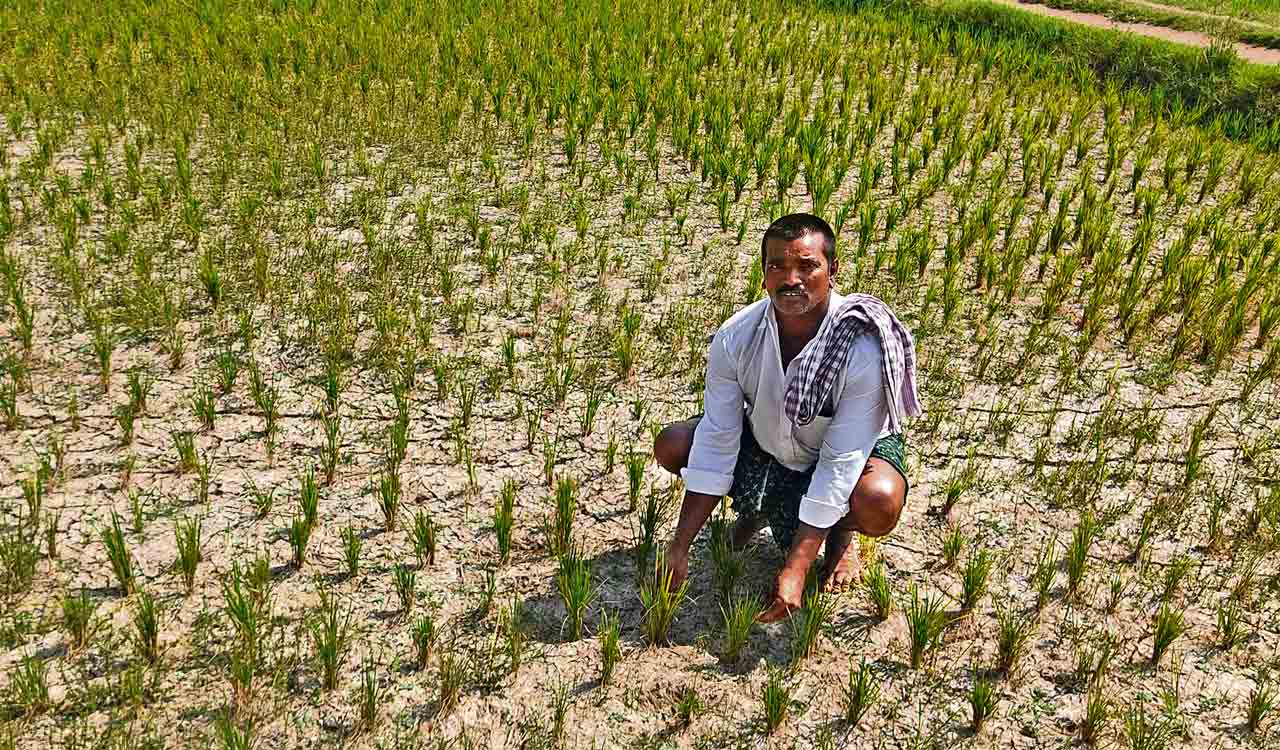
"Compared to the average of the last five years, acute food insecurity has increased by a staggering 514% in Burkina Faso, 130% in Mali and 144% in Niger."



United Nations: The U.N. humanitarian chief is hoping a major ministerial meeting Tuesday will not only raise $1 billion for the three countries at the epicenter of a humanitarian crisis in Africa’s Sahel region but also spur leaders to address the underlying causes, including increasing conflict and insecurity, weak governance and a lack of development.
Undersecretary-General Mark Lowcock said in an interview with The Associated Press that the troubling situation in Burkina Faso, Mali and Niger is a symptom “of failure to deal with all of those causes of problems” as well as rapid population growth and climate change.
As a result, he said, “we have a record number of people, more than 13 million, needing humanitarian assistance across the border areas of Burkina Faso, Mali and Niger, and most of them are children.” The virtual ministerial meeting Tuesday — hosted by Denmark, Germany, the European Union and the United Nations — is aimed at spotlighting one of the world’s fastest growing humanitarian crises, so as to increase aid funding and put a stronger focus on solutions, Lowcock said.
“This is timely because things are deteriorating at an alarming rate,” he said. “Otherwise problems will compound and there’ll be a lot of loss of life.” According to the U.N. Office for the Coordination of Humanitarian Affairs, which Lowcock heads, the $1.4 billion humanitarian appeal for the three countries is only 39% funded for 2020.
An estimated 7.4 million people are facing crisis levels of food insecurity during the current lean season, three time more than a year ago, the agency said.
“That’s people who don’t know how they will put food on the table for their family that day or the next day, and who have got acute malnutrition problems in the family,” Lowcock said in Thursday’s interview.
Compared to the average of the last five years, acute food insecurity has increased by a staggering 514% in Burkina Faso, 130% in Mali and 144% in Niger, his agency said.
“What I hope is through this conference, for these three countries, we’ll get up to about a billion dollars for 2020,” Lowcock said. “That will certainly enable us to keep the situation under control and contain the worst difficulties. The question then is, are we going to sustain that into 2021-2022?” He said the problems of the central Sahel will take time to address and one aim of Tuesday’s meeting is to “get recognition that the wider world needs to engage for the long term in this region” and that leaders must be focused “on meeting the needs of the people and dealing with the underlying problems.” Lowcock said governments in the Sahel need to assert control over their territory, noting that “large areas are now under control of extremist groups.”
But he stressed that this must be done in a way that doesn’t compound the problem, saying there are “too many cases of military intervention being excessively violent, or not protecting people in this region at the moment.” Lowcock said the Sahel is the only region in the world where all the U.N. indicators of human development are getting worse.
He called for more girls to go to school and stay there, a reduction in infant and maternal mortality, and improvements in clean water availability.
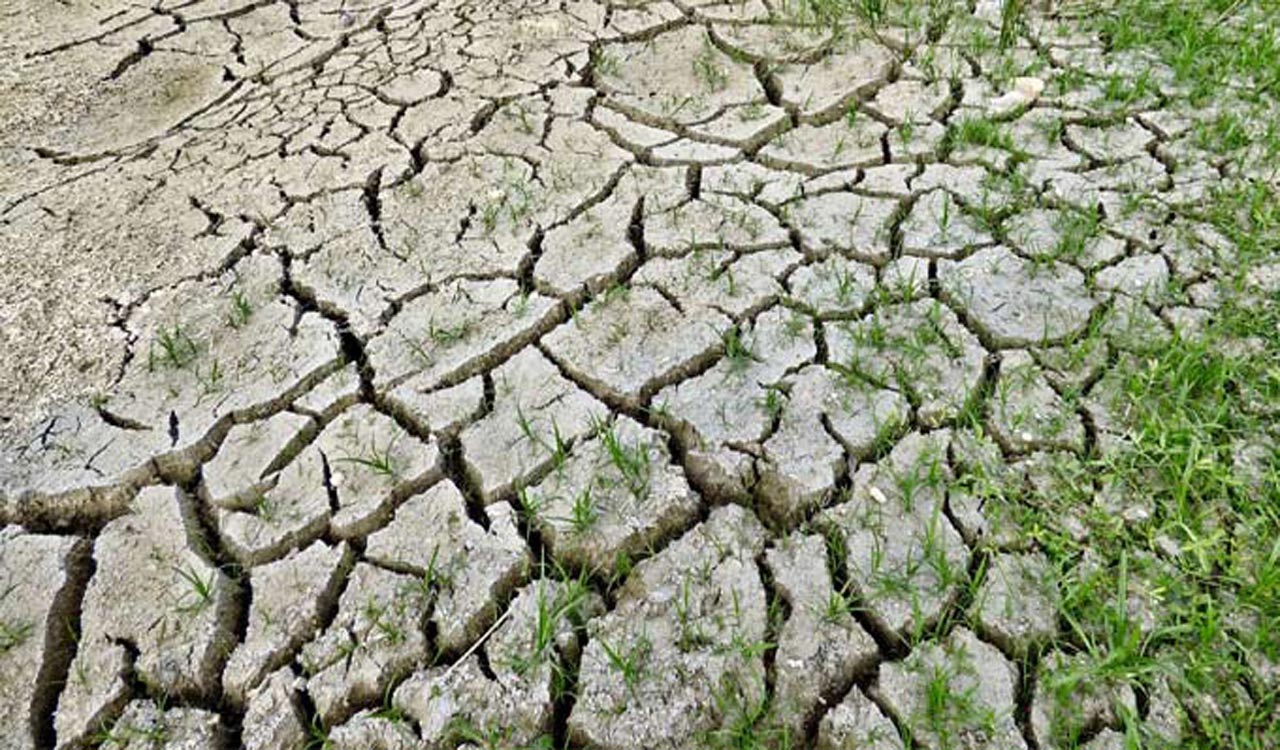
Lowcock said there must also be a recognition that traditional livelihoods in the Sahel — subsistence agriculture and nomadic livestock grazing — “will not support the number of people there will be in the region in the decades ahead, not least because of climate change.” As an example, he pointed to the evaporation of major environmental assets like Lake Chad, which is now a “shriveled puddle.” More than 100 countries have moved from largely subsistence-based rural agriculture economies over the past few hundred years to economies developed in relation to cities, so there are models for Sahel countries to use in dealing with these problems, “but at the moment, they’re not being taken up in an effective way,” he said.
Lowcock said he fears that in Burkina Faso, Mali and Niger as well as three other Sahel countries — Cameroon, Chad and northeast Nigeria — there is a risk of “a tipping point” where “it starts to get dramatically more difficult to deal with the underlying causes.” “It’s a bit like a snowball rolling down the hill,” he said, pointing to a twentyfold increase in the number of displaced people between 2018 and 2020 from 70,000 to 1.5 million in Burkina Faso, Mali and Niger while his year has seen the worst floods ever recorded in the region and the highest number of people in need of humanitarian assistance.
He also noted there has been a record level of attacks on aid workers this year and extremist groups have expanded their areas of operation. There must be a recognition that extremist groups have an agenda that “is inimical to the interests or livelihoods of ordinary people in the places they control,” he said.
“These are not problems that can be solved in the short term, but until you face up to them, recognize what you’re dealing with, and start talking about what the solutions can be, obviously you’re not making any progress,” Lowcock said. “So you don’t get to choose where you have to start the journey, but you do have to take the first steps.”

Related News