Union Health Ministry bans Nimesulide above 100 mg to prevent health risks and environmental damage
The Union Health Ministry has banned Nimesulide oral formulations exceeding 100 mg following ICMR warnings of liver and kidney risks. The ban also aims to protect India’s vultures from fatal exposure through veterinary use.
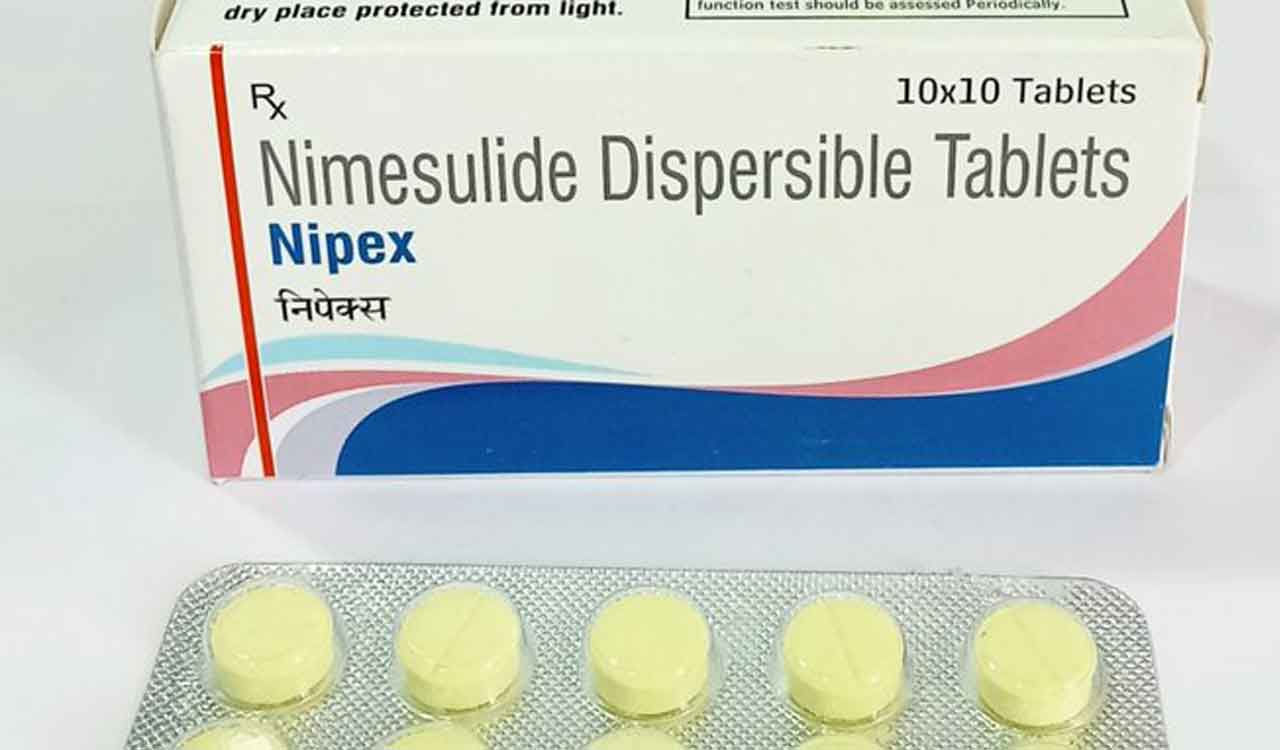


Hyderabad: In a move to safeguard public health, the Union Health Ministry has banned the manufacture and sale of painkiller Nimesulide oral formulations exceeding 100 mg.
The decision, which is effective immediately, targets “immediate-release” versions of the painkiller, which experts warn pose severe risks to liver and kidneys.
The ban follows a critical report from the Indian Council of Medical Research (ICMR) in which scientists found that while Nimesulide is effective at reducing fever, high doses often lead to serious liver damage (hepatotoxicity), especially in the elderly and those with existing health conditions.
Health officials, moreover, have now reclassified the drug as a ‘second-line’ option, meaning it should only be prescribed when safer alternatives like Paracetamol fail.
Beyond human health, the ban addresses a dire environmental crisis. Veterinary use of Nimesulide was found to be lethal to India’s vulture population. When vultures scavenge on cattle treated with the drug, they suffer rapid kidney failure and die within 24 hours. By strictly limiting human dosages and banning animal use, the government aims to close the ‘loopholes’ where large-animal vials were being diverted for human consumption.
Common brands such as Nise, Nicip, and Nimulid will now only be available in 100 mg strengths. The drug regulatory authorities have advised the general public to check their medicine cabinets and avoid using Nimesulide for children, pregnant women, or as a first-choice remedy for minor aches.

Related News