UP committed to biodiversity: Adityanath on Shekha Lake being declared Ramsar site
Shekha Lake in Aligarh has been declared Uttar Pradesh's 12th Ramsar site, bringing India’s total to 99. CM Yogi Adityanath and Union Minister Bhupendra Yadav highlighted its role in boosting biodiversity, ecological balance, climate security, and local livelihood opportunities.
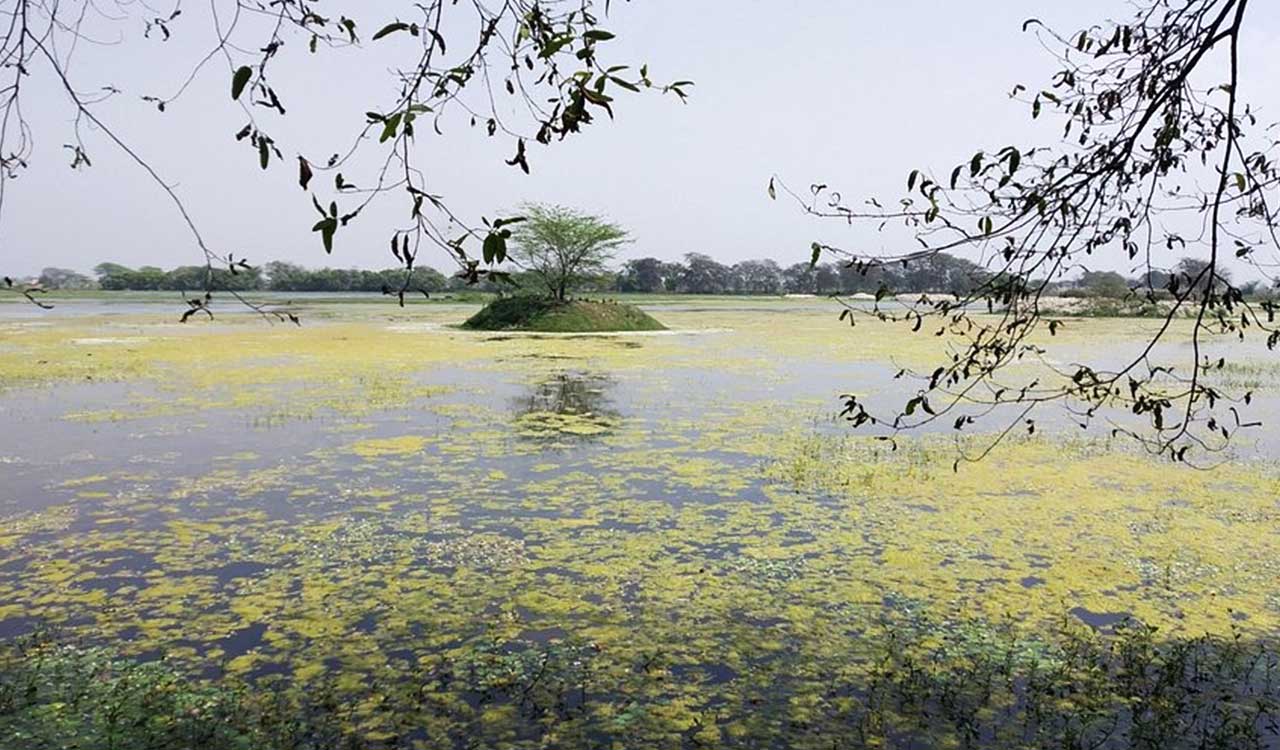


Lucknow: Uttar Pradesh Chief Minister Yogi Adityanath on Wednesday said the state’s 12th Ramsar site — Shekha Lake in Aligarh — will not only strengthen ecological balance but also provide new energy to livelihoods at the local level.
Union Minister for Environment, Forest and Climate Change Bhupendra Yadav on Wednesday announced that Shekha Jheel in Aligarh has been declared a Ramsar site, taking India’s total to 99 and Uttar Pradesh’s to 12.
He said the move will boost biodiversity, livelihoods and climate security, highlighting the wetland’s importance for migratory birds and India’s growing focus on conservation under PM Narendra Modi.
“In line with the vision of Prime Minister Shri Narendra Modi, ‘New Uttar Pradesh’ is fully committed to the conservation of the environment and biodiversity,” Adityanath said on X, quoting the union minister’s post.
“This 12th Ramsar site of the state will not only strengthen ecological balance but also provide new energy to livelihoods at the local level,” the CM said, adding “Heartiest congratulations to the people of the state.” A Ramsar site in India is a wetland recognised as being of international importance under the Ramsar Convention, an intergovernmental treaty focused on conserving wetlands.
In simple terms, it means a lake, river, marsh, or similar water body is officially protected for its ecological value, especially for biodiversity, water conservation, and as a habitat for migratory birds.

Related News
-

Shraddha Dubey reveals escape route, admits Amir’s role in Shiva Sharma murder case
-
Bahujan community has high expectations from Akash Anand: Mayawati
-
Seven arrested for illegal transportation of explosives in Adilabad
-
BJP leader robbed of Rs 50 lakh at Kanpur farmhouse hours after taking charge of new party responsibility