
Vegetables growers in Kothagudem’s Julurpad create a mark of their own, makes good earning
Farmers in Padamata Narsapuram and Kakarla villages of Telangana’s Kothagudem district have relied on vegetable cultivation for nearly three decades. They seek nearby markets and scientific farming support to reduce costs, improve yields and secure better prices for their produce
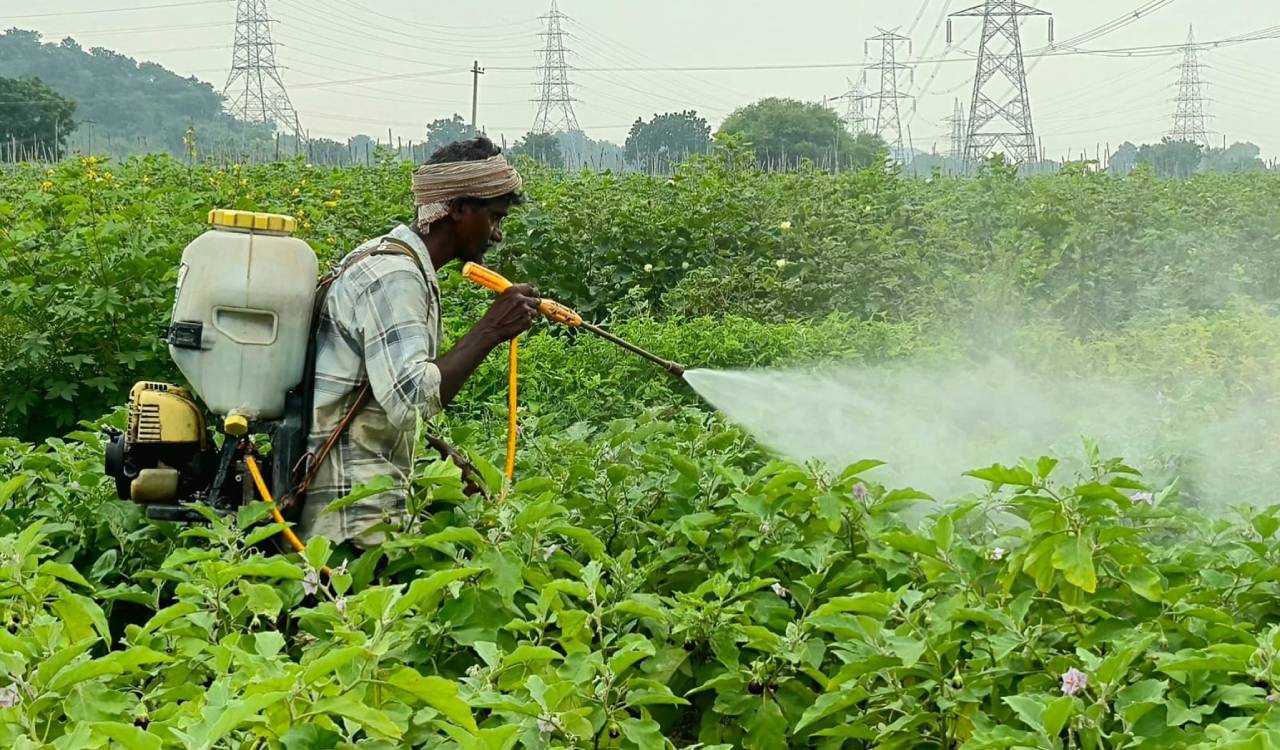


Kothagudem: While farmers growing commercial crops are grappling with the effects of El Niño and the State government’s failure to provide irrigation, vegetable growers in two villages in Julurpad mandal of the district have managed to avoid some of these challenges.
Farmers in Padamata Narsapuram and Kakarla shifted to vegetable cultivation nearly 30 years ago and have continued with it because it allows multiple successive harvests from the same plot of land within a single year, unlike broad-acre field crops.
An estimated 150 to 200 acres of land are under vegetable cultivation in the two villages. The farmers have carved out a niche for themselves by growing vegetables and earning good returns, although they face certain challenges. Most of them own small landholdings ranging from half an acre to two acres.
Kakarla specialises in growing leafy vegetables such as spinach, amaranthus, mint, coriander, fenugreek, Malabar spinach and sorrel. Farmers in Padamata Narsapuram grow vegetables such as tomato, brinjal, bitter gourd, bottle gourd, okra, flat beans, potatoes and seasonal varieties such as boda kakarakaya (kantola).
“Vegetable farming provides higher economic returns, faster capital turnover and a steady cash flow compared with traditional staple and grain crops. It also offers greater economic value per unit of land,” said farmer Mallaiah.
As vegetable farming is labour-intensive, most farmers and their family members carry out the work themselves to save on labour costs. They hire a few labourers only when necessary, he explained.
Farmers transport their produce to markets in Khammam, Kothagudem, Paloncha, Yellandu and other places. They earn at least Rs 1,500 to Rs 2,000 a day and sometimes as much as Rs 5,000. However, they occasionally incur losses when prices fall or crops are affected by pests, said another farmer, Soppani Srinu.
The farmers have urged officials to establish a market facility near their villages so that they can avoid travelling long distances to sell their produce, reduce transportation expenses and secure better prices.
They have also requested that the villages be developed as vegetable cultivation clusters to provide farmers with training in scientific crop management and guidance on selecting quality seeds to help improve yields.

Related News

