What happens to our skin when we take hot shower?
Hot showers and baths may feel relaxing in cold weather, but they can harm your skin by raising its pH, disrupting healthy bacteria, and drying it out


As the weather gets cooler, many of us turn to hot showers and baths to warm up and wind down. But what actually happens to your skin when you have really hot showers or baths?
Your largest organ
Your skin is your largest organ, and has two distinct parts: the epidermis on the outside, and the dermis on the inside. The epidermis is made up of billions of cells that lay in four layers in thin skin (such as on your eyelids) and five layers in thick skin (such as the on sole of your foot).
The cells (keratinocytes) in the deeper layers are held together by tight junctions. These cellular bridges make waterproof joins between neighbouring cells.
The cells on the outside of the epidermis have lost these cellular bridges and slough off at a rate of about 1,000 cells per one centimetre squared of skin per hour. For an average adult, that’s 17 million cells per hour, every day.
Under the epidermis is the dermis, where we have blood vessels, nerves, hair follicles, pain receptors, pressure receptors and sweat glands.
Together, the epidermis and dermis (the skin):
– protect you from ultraviolet radiation from the Sun
– synthesise vitamin D3, which helps your intestines absorb calcium
– protect you against bacteria, parasites, fungi and viruses
– regulate your body temperature via the dilation of blood vessels and sweat glands releasing sweat
– help display how we’re feeling (think, for example, of blushing or goosebumps)
– allow us to feel sensations such as touch, pressure, pain and temperature.
So, your skin is important and worth looking after.
Washing daily can help prevent disease, and really hot baths often feel lovely and can help you relax. That said, there are some potential downsides.
The skin microbiota
Normally we have lots of healthy organisms called Staphyloccocus epidermis on the skin. These help increase the integrity of our skin layers (they make the bonds between cells stronger) and stimulate production of anti-microbial proteins.
These little critters like an acidic environment, such as the skin’s normal pH of between 4-6.
If the skin pH increases to around 7 (neutral), Staphyloccocus epidermis’ nasty cousin Staphyloccocus aureus – also known as golden staph – will try to take over and cause infections.
Having a hot shower or bath can increase your skin’s pH, which may ultimately benefit golden staph. Being immersed in really hot water also pulls a lot of moisture from your dermis, and makes you lose water via sweat.
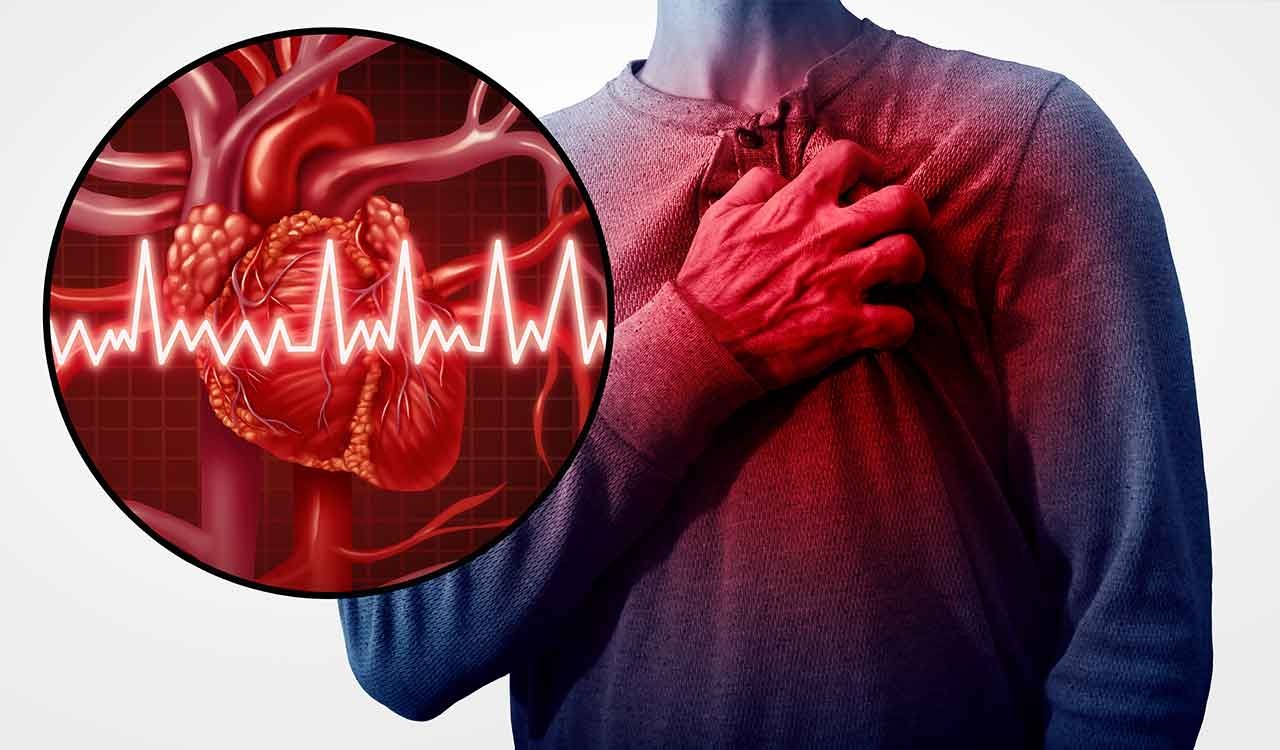
This makes your skin drier, and causes your kidneys to excrete more water, making more urine. Staying in a hot bath for a long time can reduce your blood pressure, but increase your heart rate. People with low blood pressure or heart problems should speak to their doctor before having a long hot shower or bath.
Heat from the shower or bath can activate the release of cytokines (inflammatory molecules), histamines (which are involved in allergic reactions), and increase the number of sensory nerves. All of this can lead to itchiness after a very hot shower or bath.
Some people can get hives (itchy raised bumps that look red on lighter skin and brown or purple on darker skin) after hot showers or baths, which is a form of chronic inducible urticaria. It’s fairly rare and is usually managed with antihistamines.
People with sensitive skin or chronic skin conditions such as urticaria, dermatitis, eczema, rosacea, psoriasis or acne should avoid really hot showers or baths. They dry out the skin and leave these people more prone to flare ups.
The skin on your hands or feet is least sensitive to hot and cold, so always use your wrist, not your hands, to test water temperature if you’re bathing a child, older person, or a disabled person.
The skin on your buttocks is the most sensitive to hot and cold. This is why sometimes you think the bath is OK when you first step in, but once you sit down it burns your bum.
You might have heard women like hotter water temperature than men but that’s not really supported by the research evidence. However, across your own body you have highly variable areas of thermal sensitivity, and everyone is highly variable, regardless of sex.
Making the most of moisturising
Moisturising after a hot bath or shower can help, but check if your moisturiser is up to the task.
To improve the skin barrier, your moisturiser needs to contain a mix of:
– an emollient such as ceramides, squalanes or dimethicone (emollients incorporate themselves into the lipid barrier in the epidermis to reduce water loss)
– a humectant such as glycerin or hyaluronic acid (humectants draw moisture from the dermis into the epidermis)
– an occlusive such as petroleum jelly or Vaseline, mineral oil, or cocoa butter (occlusives reduce water loss through the skin and increase the production of anti-microbial peptides).
Not all moisturisers are actually good at reducing the moisture loss from your skin. You still might experience dryness and itchiness as your skin recovers if you’ve been having a lot of really hot showers and baths.
I’m itchy again, what should I do?
If you’re itching after a hot shower or bath, try taking cooler, shorter showers and avoid reusing sponges, loofahs, or washcloths (which may harbour bacteria).
You can also try patting your skin dry, instead of rubbing it with a towel. Applying a hypoallergenic moisturising cream, like sorbolene, to damp skin can also help. If your symptoms don’t improve, see your doctor.

Related News
-

Explainer: 30 years since Dolly’s birth, where does cloning stand today?
-
What makes a star a star? A strange ‘in-between’ celestial object is testing astronomers’ boundaries
-
Explainer: Aliens might exist. But there are three reasons why they’re not visiting us
-
Why a heart attack in Hyderabad is a direct ticket to poverty