What is ‘acid rain’ in wake of US bombings in Iran?
Following US-Israeli airstrikes on Iranian oil depots, reports of “black rain” and toxic smoke have raised alarm among scientists. The rainfall likely contains hydrocarbons, PM2.5, acids, and carcinogenic pollutants, posing serious short- and long-term health and environmental risks for nearby populations
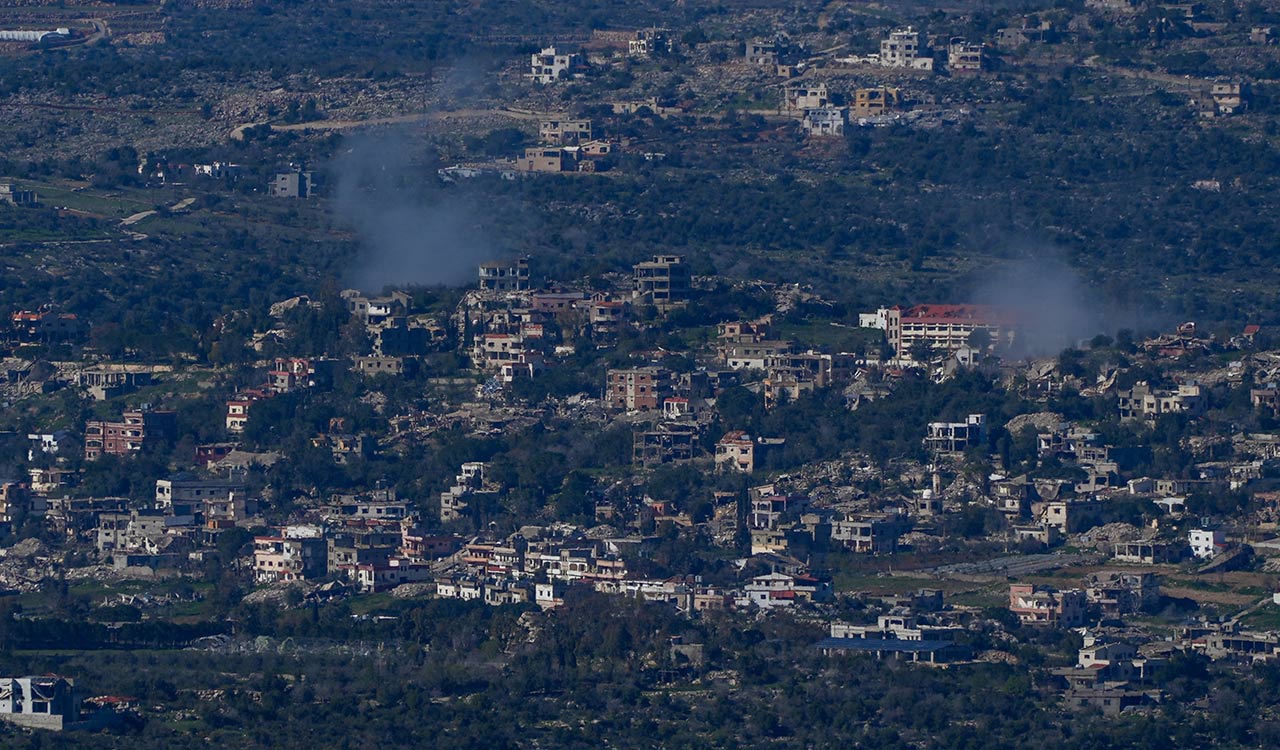


Melbourne: Reports are emerging of black rain falling over parts of Iran in the hours after US-Israeli airstrikes on oil depots on the weekend, with some outlets describing it as “acid rain”.
Iranian residents have reported headaches, difficulty breathing, and oil-contaminated rain settling on buildings and cars. Iran’s Red Crescent Society warned rainfall following the strikes could be “highly dangerous and acidic.” As an atmospheric chemist and chemical engineer who researches air pollution, these reports are very worrying, and indicate much more than just acid rain.
This rain would include acids, but also likely a host of other pollutants that are harmful to humans and the environment in the short and long term. It may even be worse than the term “acid rain” conveys.
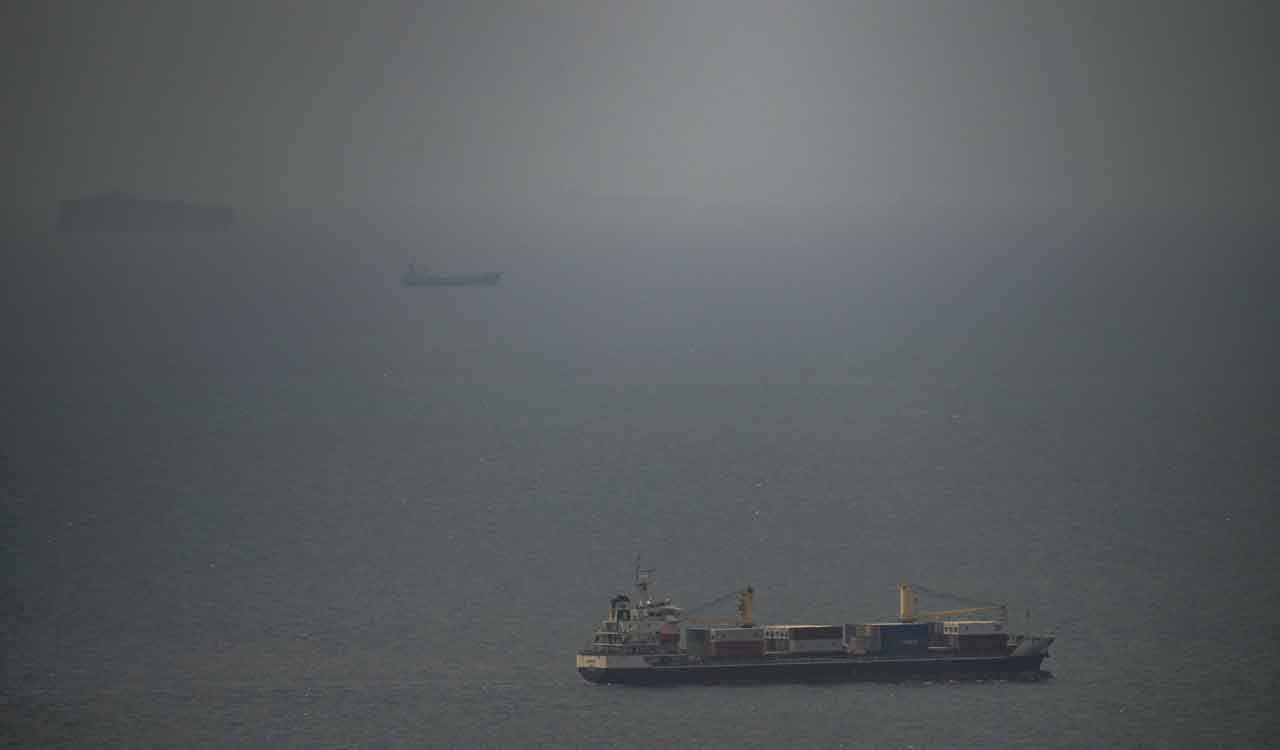
More broadly, the thick clouds of toxic smoke over densely populated areas in Iran are also a major problem for anyone breathing this air right now.
What could this ‘acid rain’ be?
One of the primary ways air pollutants are removed from the atmosphere is through rain. When you have significant levels of pollutants in the air, they will be collected by falling water droplets and “rain out” of the atmosphere.
That’s why we are getting these reports of black rain falling from the sky after the oil depots were struck – evidence of just how contaminated the local air must be.
To me, this black rain indicates that toxic pollutants such as hydrocarbons, ultrafine particles known as PM2.5, and carcinogenic compounds called polycyclic aromatic hydrocarbons (PAHs) have made their way into the rain.
On top of this, there would be a mix of other unknown chemicals, likely including heavy metals and inorganic compounds from the building materials and everything else caught up in the initial explosions and the ensuing fires.
The smoke from the bombed oil depots would also contain sulfur dioxide and nitrogen dioxide, which are precursors to forming sulfuric acid and nitric acid in the air. This acid then makes its way into water droplets and is responsible for what we conventionally label acid rain.
The acid rain we heard so much about in the past decades was primarily caused by sulfur dioxide produced by burning fossil fuels. Sulfur is naturally present in crude oil but is now mostly removed at the refining stage.
Aside from the rain, it’s worth remembering that all smoke is toxic; if you can smell it, it can be at levels that are harming you.
So that level of black smoke seen over densely populated areas in Iran is extremely worrying and can cause chronic short- and long-term health problems.
What are the potential health risks?
In the short term, people exposed to this black smoke in Iran might have headaches or difficulty breathing, especially if they have asthma or lung disease.
Vulnerable populations “such as older people, young children and people with disabilities” are more at risk. Exposure to toxic air pollution during pregnancy can also lead to lower birth weights.
In the longer term, exposure to the compounds in the air and in this black rain is potentially increasing people’s cancer risk. When ultrafine particles (PM2.5) are inhaled, they can get into your bloodstream.
This has been linked to a range of health impacts, including cancers, neurological conditions (such as cognitive impairment), and various cardiovascular conditions.
Once these heavily polluted plumes of air have their pollutants washed into natural waterways, they can also start to affect aquatic life, as well as human drinking water sources.
Another issue is that this black rain is depositing these compounds on buildings, roads and surfaces, which means they can make their way back into the air when disturbed by strong winds.
A legacy of war
There has been growing attention on the environmental impact of conflict worldwide. Part of this has emerged in the wake of past wars in Iraq and Kuwait, where there was a large-scale deconstruction of oil wells and the use of burn pits.
We now know there are long-term health impacts on returning service people, including Australians. So we can assume local populations are also profoundly affected.
In the short term, people exposed to this smoke and black rain in Iran should try to wear masks or face coverings, seek refuge from it, stay indoors, close doors and windows, and try to keep the air out.
It is also important to clean hard surfaces where possible, particularly indoors, to reduce exposure to deposited pollutants.
On the ground, of course, this may be very difficult to achieve in the chaos of war.

Related News