Why Drivers Should Regularly Monitor Their Traffic Violation Records
Unpaid penalties pile up quietly, and the consequences tend to surface at the worst possible time - usually when you're rushing to complete some urgent vehicle paperwork or trying to close a car sale.
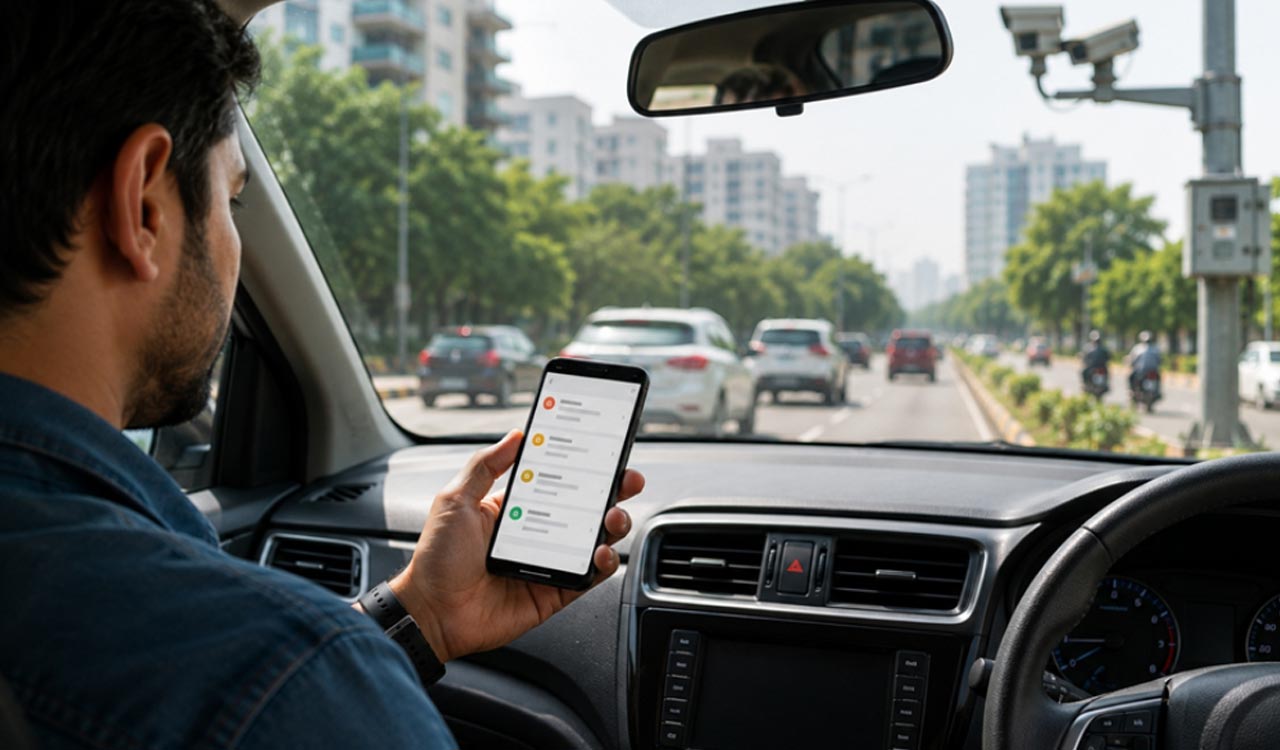


Getting behind the wheel every day means navigating a maze of rules, cameras, and enforcement zones that most people barely think about. You might be wondering whether those automated traffic cameras actually catch anything or if old fines just disappear on their own. They don’t.
Unpaid penalties pile up quietly, and the consequences tend to surface at the worst possible time – usually when you’re rushing to complete some urgent vehicle paperwork or trying to close a car sale. Checking your traffic challan status regularly is one of those small habits that saves a surprising amount of trouble down the road. It’s like checking your bank statement, but with potentially bigger headaches if you ignore it too long.
How violations quietly stack up
Most Indian cities now rely on a network of speed cameras, red-light detectors, and ANPR systems that capture violations without the driver ever being stopped. A penalty gets generated, linked to the vehicle registration number, and added to the transport authority’s database. No paper slip lands on your windshield. No constable waves you down. The fine simply exists in a system, waiting.
Modern traffic enforcement has gotten quite effective at capturing violations. What worries most people is discovering multiple unpaid fines when they try to renew their registration certificate or transfer ownership. Transport offices in several states now block RC transfers, fitness certificate issuance, and PUC renewal until every outstanding challan amount is cleared. This can turn what should be a quick administrative task into a multi-day ordeal involving payment queues and verification delays.
Buyers running pre-purchase checks on a used vehicle sometimes also check traffic challan status and find a backlog of penalties attached to the registration. That creates awkward negotiations or outright deal-breakers.
What happens when fines go unresolved
The process to clear things up is straightforward – but the penalties for ignoring fines are real, and they escalate faster than most people expect. Here’s what typically unfolds when violations stay unpaid beyond the grace period:
- Late fees and surcharges. Several state systems add a percentage-based surcharge after a set number of days, so a Rs 500 fine can increase substantially without any new offence.
- Vehicle-related blocks. Registration renewal, fitness certificate issuance, and ownership transfer can all be held up by unresolved challans under the Motor Vehicles Act 1988.
- Licence complications. Accumulated violations may trigger a review of the driving licence, particularly for serious offences like signal jumping or overspeeding in school zones.
- Court summons. Persistent non-payment can lead to a court notice under the Motor Vehicles Act, which carries its own legal costs and time drain.
Check whether your state portal groups fines by date or by severity first. Some portals let you filter pending challans and pay them individually or in bulk. This makes clearing a backlog much faster.
A simple routine that prevents surprises
Building a monitoring habit takes about five minutes a month. Most state transport portals require nothing more than a vehicle registration number or a driving licence number to pull up records. You might be wondering how reliable these portals actually are.
The data comes directly from the traffic enforcement backend via the official Parivahan portal and state RTO databases. If a camera or officer recorded a violation, it’ll appear here once processed.
For drivers who frequently pass through Telangana, checking the TS e challan portal is worth doing separately. Telangana’s TS Traffic portal is actively updated – the state uses a dense camera network across Hyderabad and surrounding districts, and violations often show up within 24 hours of the incident. You can also pay through the TS-mParivahan app.
A practical approach: set a calendar reminder on the first of each month, open the relevant state portal, enter your registration number, and scan for new entries. Pay anything that appears legitimate straight away. If a fine looks incorrect, most portals offer a grievance or dispute option, though response times vary.
When something looks wrong on your record
Contesting an incorrect challan is more common than most drivers realise. Camera-based systems occasionally misread number plates, especially on older cars where the plate font has faded. If a violation appears for a location you’ve never visited or a time when the car was parked, screenshot the entry and file a dispute through the portal’s grievance section.
These systems are accurate but not perfect.
Keep copies of toll receipts, parking tickets, or GPS logs if you need to prove the car was elsewhere. Transport authorities do reverse incorrect fines, though it can take a few weeks. The important thing is catching these errors early rather than discovering them during a registration renewal when timelines are tight.

Related News