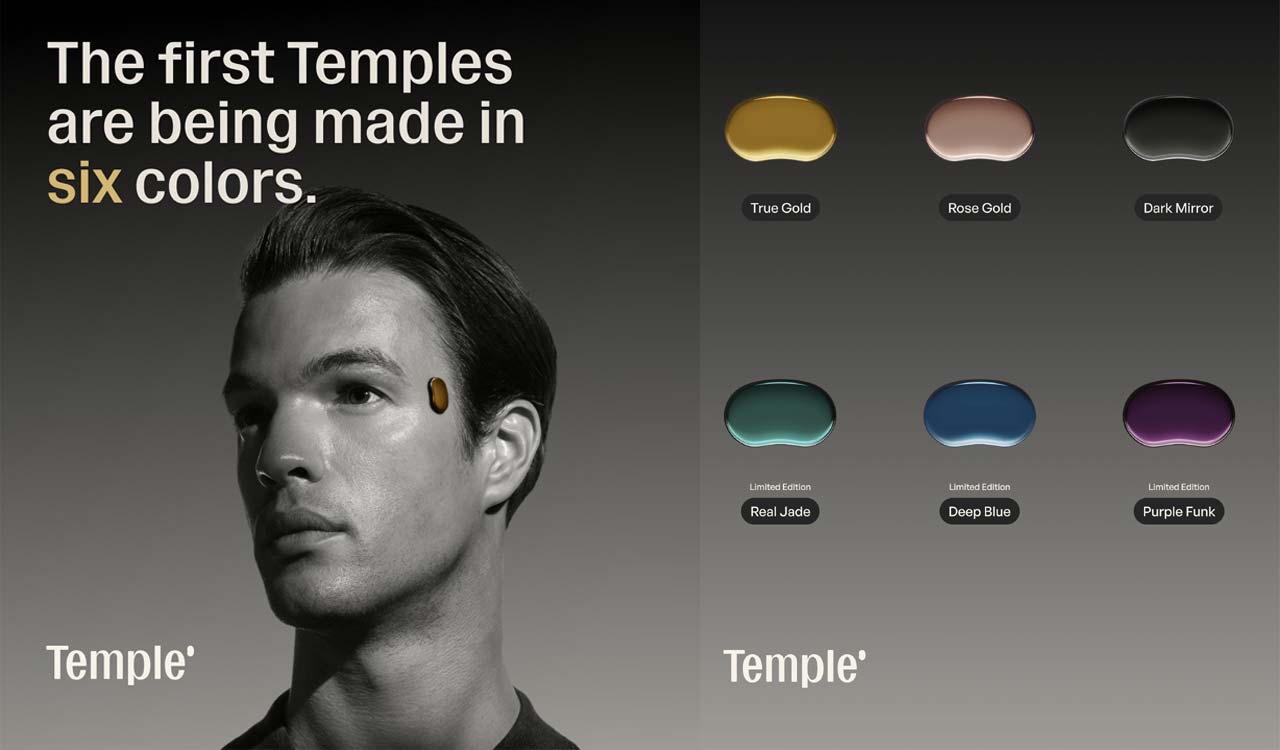
Zomato’s Deepinder Goyal and Neurologist Dr Sudhir Kumar weigh in on ‘Temple’ wearable in viral X exchange
Zomato Founder Deepinder Goyal engaged in a rare public exchange with Hyderabad-based neurologist Dr. Sudhir Kumar over the design of his experimental brain-health wearable, ‘Temple’. Dr. Kumar suggested shifting the sensor from the temple to the neck for better correlation with cerebral blood flow.
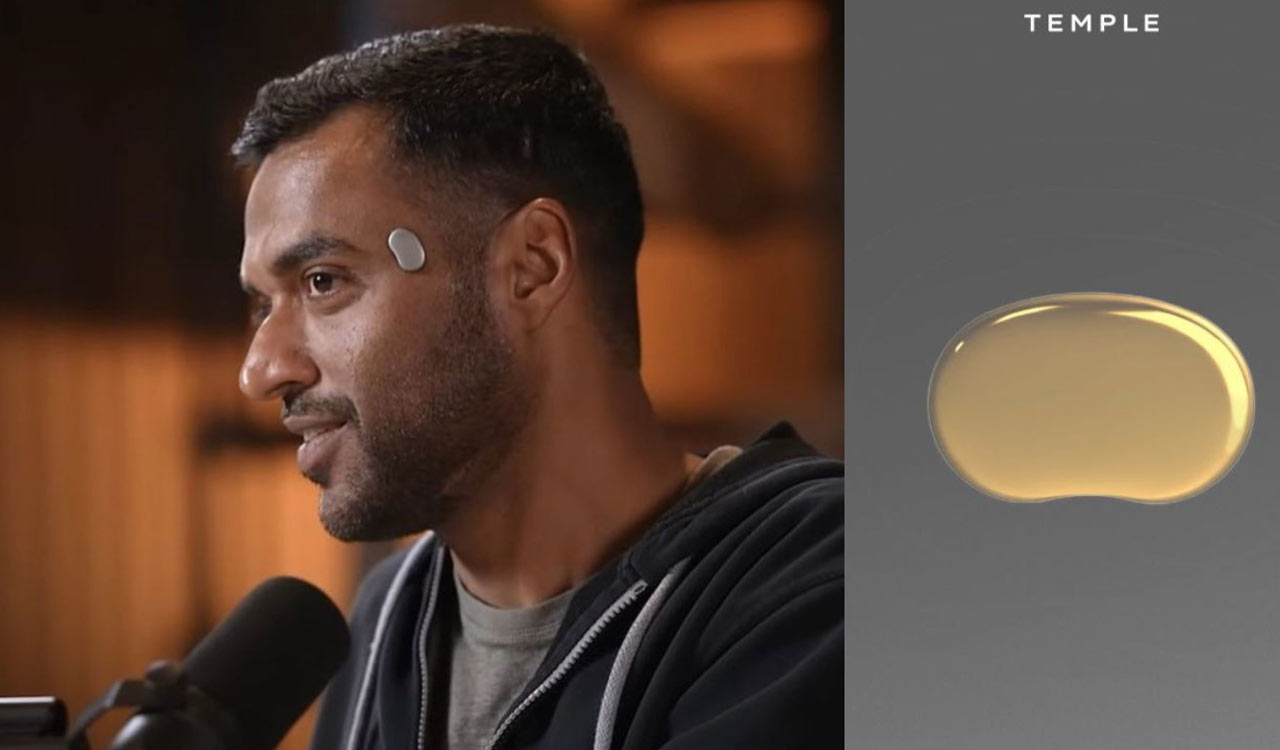


Hyderabad: In a rare public exchange between India’s tech titan and a noted neurologist, Zomato Founder Deepinder Goyal on Friday responded to technical advice from Hyderabad-based senior neurologist, Dr. Sudhir Kumar, regarding Goyal’s experimental brain-health wearable, ‘Temple’.
The public interaction on X began when Dr. Sudhir Kumar, a noted neurologist and public health specialist, suggested a pivot in the device’s design. While the current prototype sits on the user’s temple to monitor the Superficial Temporal Artery (STA), Dr. Sudhir Kumar proposed moving the sensor to the neck to monitor the Internal Carotid Artery (ICA).
“The blood flow through ICA is more likely to correlate with cerebral blood flow as compared to STA,” Dr. Kumar said. He pointed out that the temple artery primarily feeds the scalp while the carotid at the neck is the brain’s main supply line.
Responding to the post, Goyal acknowledged the anatomical logic but explained the technical constraints. He revealed that his research found PPG (photoplethysmography) sensor resolution to be significantly higher at the temple than at the neck.
PPG is the same technology used in the green blinking lights in the back of the smartwatch or a fitness tracker to measure the heart rate.
To bridge the gap between ‘scalp blood flow’ and ‘brain blood flow’, Goyal explained that they aren’t just relying on the raw pulse.
Instead, they are using Machine Learning to benchmark temple readings against medical-grade MRIs and Transcranial Dopplers (TCDs). The goal is to create an algorithm that can accurately “calculate” cerebral flow from the temple’s accessible signal.
Goyal concluded by inviting further advice from the medical community, promising to ‘publish all the data very soon’ to ensure the device meets rigorous safety and accuracy requirements.

Related News